
Lieferung heute & morgen

Qualitätsgarantie

Willkommens-Angebote freischalten: KOSTENLOSE Lieferung | Bis zu 80 % RABATT | Kostenlose 30-Tage-JoyPlus-Testphase
App herunterladen
A disorganized kitchen cabinet with pots and pans stacked on top of each other is not only impractical but can also lead to scratches on your cookware. The right pan organizer promises a solution. However, the market offers a multitude of models whose differences in quality often only become apparent after purchase. This guide will help you identify the crucial features and find a solution that provides lasting order.
Many products promise a simple solution but fail in practice due to fundamental design flaws. Watch out for these three common problems to avoid a bad purchase:
To find a durable and functional solution, you should check three core parameters before making a decision.
The material determines the organizer's stability and longevity. A cabinet pot organizer must be able to support the weight of multiple pieces of cookware without deforming.
Flexibility is the key to an effective kitchen organization system. A system that adapts to your cookware—and not the other way around—is the better choice in the long run.
Measure the intended space precisely before making a purchase. Consider not only the width, height, and depth but also any potential obstacles like hinges or water pipes inside the cabinet.
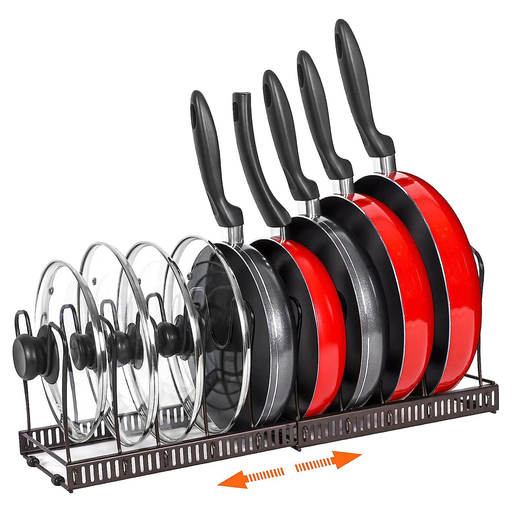
Why This Fits Their Persona: Ideal for renters or households with varying cabinet sizes. The expandable frame and 2-pack offer maximum flexibility for creating order in different cabinets or drawers.
The 10 adjustable dividers per rack solve the problem of fixed compartments. The sturdy stainless steel frame prevents bending, and the non-slip rubber feet protect surfaces.
The frame expands from 30.5 cm to 58.4 cm. The U-shaped grooves in the dividers hold lids securely.
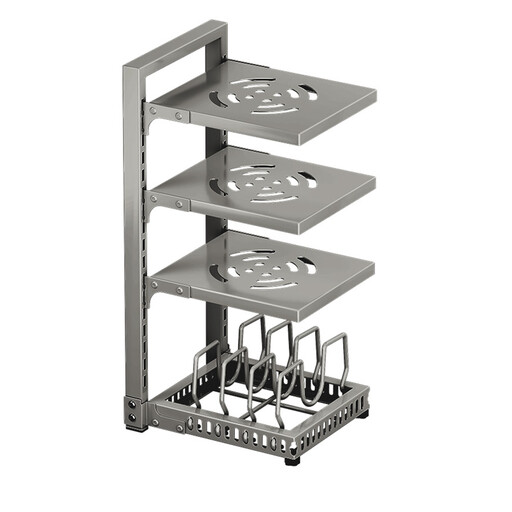
Why This Fits Their Persona: Perfect for ambitious home cooks with a large collection of pots and pans. The vertical design makes optimal use of height in deep cabinets and creates space for heavy cookware.
The robust carbon steel construction provides the necessary stability for heavy cast iron pots. The tiers are adjustable and can be adapted to the height of each pot.
Maximum vertical space utilization with four tiers. The heavy-duty design is built for high load capacity.
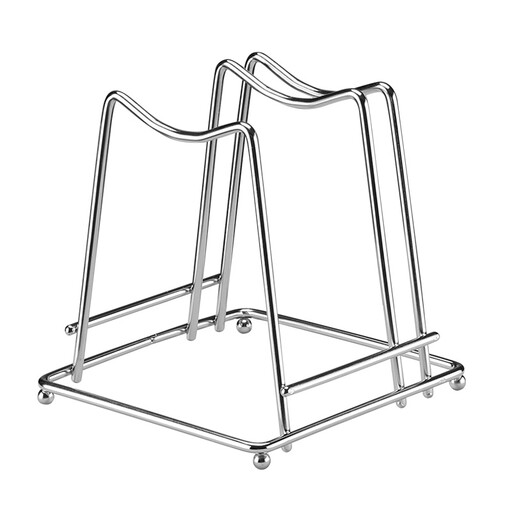
Why This Fits Their Persona: Suitable for quality-conscious users seeking a durable, rust-proof, and aesthetic countertop solution. Keeps frequently used lids and cutting boards within easy reach.
Made from food-grade 304 stainless steel, this model is extremely stable and rust-resistant. The steel ball feet protect the countertop from scratches, and the U-shaped slots hold lids securely.
High-quality, rust-proof material. The widened 6 mm spacing between slots also accommodates thick cutting boards.
We have compiled a complete, up-to-date list of products that fully meet these strict selection criteria and safety standards.
A well-designed organizer protects your pans. Models that store pans vertically and separately prevent the rubbing and scratching that occurs from stacking. Look for dividers with silicone or plastic coatings to avoid direct contact between metal and the delicate non-stick surface.
Measure the usable interior width, depth, and height of your cabinet or drawer. It's important to also consider the clear opening width of the cabinet door and to account for obstacles like protruding hinges, center posts, or pipes. For drawers, the interior height is crucial to ensure it can still close after the organizer is inserted.
The choice depends on your available space. A vertical pan rack is ideal for deep pull-out drawers, corner cabinets, or the countertop, as it provides direct access to each individual pan. Horizontal, often expandable pan racks, are designed for shallower standard kitchen cabinets and use horizontal space efficiently by making the back area accessible.