
Lieferung heute & morgen

Qualitätsgarantie

Willkommens-Angebote freischalten: KOSTENLOSE Lieferung | Bis zu 80 % RABATT | Kostenlose 30-Tage-JoyPlus-Testphase
App herunterladen
Sensitive, dry or reddened skin can react not only to the weather, central heating and frequent washing. Even seemingly gentle skincare can cause feelings of tightness due to fragrance, essential oils or an unsuitable texture. Panthenol skincare for sensitive skin can be a sensible option when hydration and a concise formulation are the priorities.
The active ingredient panthenol, also known as dexpanthenol or provitamin B5, is frequently used in cosmetic products to help retain moisture and care for the skin. However, a cream, serum or toner is not a substitute for a dermatological assessment if symptoms persist.
“Panthenol” on the front of the packaging is only one part of assessing a product. The complete INCI list is what matters. A product may also contain fragrance, essential oils, alcohol or numerous plant extracts. If your skin is highly reactive, you should therefore avoid choosing a formula based solely on its marketing claims.
A fast-absorbing serum can provide moisture, but it does not always create a sufficiently protective layer of skincare. For dry skin, combining a humectant with a cream is often worthwhile. Moisturiser for dry skin should suit your individual skin condition and must not cause pronounced tightness or remain sticky over time.
Terms such as “calming”, “repair” or “barrier support” describe a product’s positioning, but do not guarantee a specific effect. If you experience redness, burning, weeping areas or recurring skin problems, stop using the product and seek medical advice.
Panthenol is often combined with glycerin, betaine, sodium PCA or hyaluronic acid. These ingredients are typical humectants. A panthenol serum with hyaluronic acid can be used as a thin layer of skincare beneath a cream. It can usually be spread evenly over slightly damp skin; a cream can then be applied to complete the routine.
For dry skin or skin affected by cleansing, ceramides, phospholipids, squalane and other skin-conditioning lipids are relevant selection criteria. A ceramide cream is particularly interesting when you need a richer facial moisturiser. The term “strengthens the skin barrier” should be understood as a cosmetic product property, not a medical claim.
A toner, serum or facial cream is not automatically suitable for the body or the nasal mucosa. Check the following:
With Korean skincare in particular, several products may contain similar active ingredients. A short routine with a few well-tolerated products is often easier to assess than layering numerous formulas at the same time.
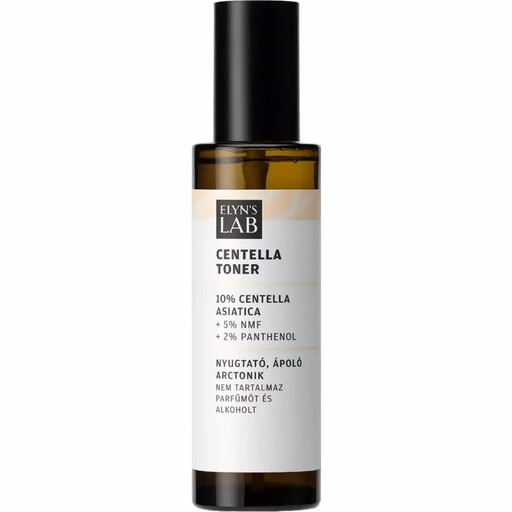
Why this product suits this profile: According to the product details, this toner is intended as the first skincare step after cleansing and combines Centella Asiatica, panthenol and NMF components.
The INCI list is easy to view, and the stated formulation contains no perfume. Its use is limited to one clearly defined step.
Watery toner texture, panthenol, glycerin, sodium PCA and sodium hyaluronate; suitable for daily use according to the product description.
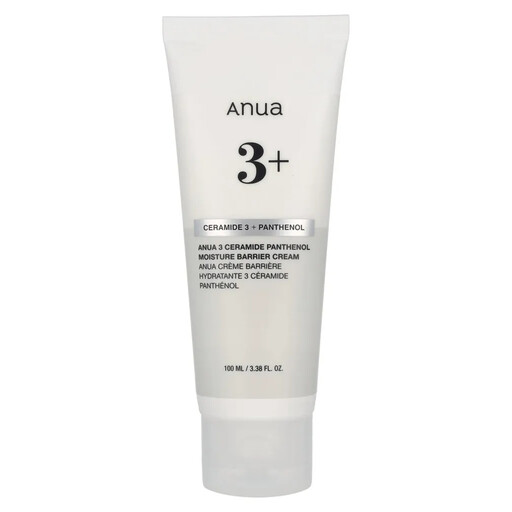
Why this product suits this profile: According to the stated ingredients list, this facial cream contains panthenol, ceramides NP, AP and EOP, as well as Centella Asiatica and hyaluronic acid.
Alongside humectants, several lipid and ceramide ingredients are listed. This makes the formula easier to understand than marketing based solely on one active ingredient.
100-ml facial cream with three named ceramides, panthenol, squalane and hyaluronic acid; intended for the face and neck.
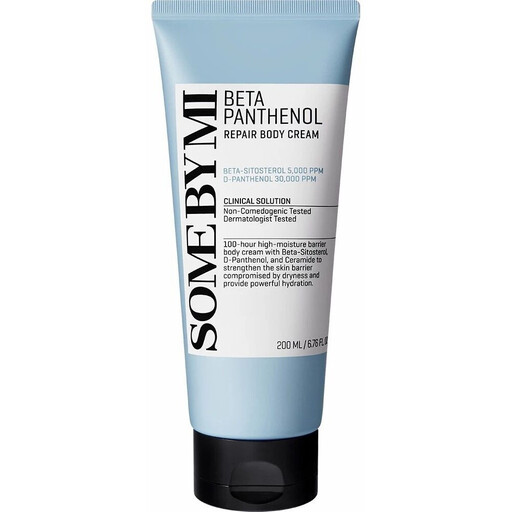
Why this product suits this profile: This body cream is designed for generous application after showering, and its 200 ml size is practical for regular body care.
The product is clearly intended for the body. Ceramides, hyaluronic acid and allantoin complement the panthenol instead of relying on a single trending active ingredient.
200 ml capacity, creamy texture and, according to the product description, application to slightly damp skin after showering.
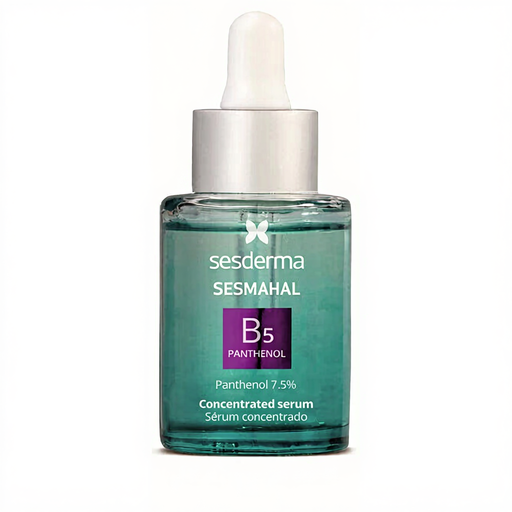
Why this product suits this profile: According to the product details, this serum combines panthenol with two molecular weights of hyaluronic acid and is intended for use beneath a cream.
The recommended dosage is three to four drops. This allows you to target additional skincare without having to combine several serums.
30 ml, lightweight serum texture, and panthenol plus hyaluronic acid as clearly identifiable moisturising components.
We have put together a complete, regularly updated list of products that fully meet these strict selection criteria and the safety regulations applicable in the EU.
Panthenol is used in many formulations for dry and sensitive skin. However, individual tolerance depends on the complete formula. This is why the INCI list, fragrance and directions for use are more important than the active ingredient name alone.
A serum is usually more fluid and helps supplement the skin’s moisture levels. A cream often also contains lipids and creates a nourishing layer. For dry skin, applying a serum beneath a cream can be useful; for a short routine, a suitable cream may be all you need.
The PAO symbol, best-before date and information on the packaging are the key factors. Changes in smell, colour or consistency indicate that the product should no longer be used. Always check the current ingredients list directly on the packaging.