
Lieferung heute & morgen

Qualitätsgarantie

Willkommens-Angebote freischalten: KOSTENLOSE Lieferung | Bis zu 80 % RABATT | Kostenlose 30-Tage-JoyPlus-Testphase
App herunterladen
A well-organized kitchen not only simplifies your daily routine but also plays a crucial role in preserving the freshness and shelf life of your food. Open packages in cupboards and drawers often lead to clutter and can compromise the quality of flour, pasta, cereal, or coffee. The right pantry containers are a simple and effective solution.
As your Joybuy Product Recommendation Officer, my goal is to provide clear guidance through the wide range of options available. This guide presents objective criteria for your selection and showcases a variety of functional containers to help you optimize your kitchen organization and keep food fresh for longer.
Before making a decision, you should consider a few fundamental features of food storage containers. The following points will help you find the perfect solution for your needs.
The material directly impacts durability, maintenance, and suitability for specific foods.
A crucial feature for food storage is an airtight lid. It protects the contents from moisture, air, and pests, significantly extending shelf life. There are several types of systems:
To make the most of the space in your kitchen cupboards or pantry, the shape of the containers is important.
Based on the criteria mentioned, we have curated a selection of products that stand out for their functionality and material quality.
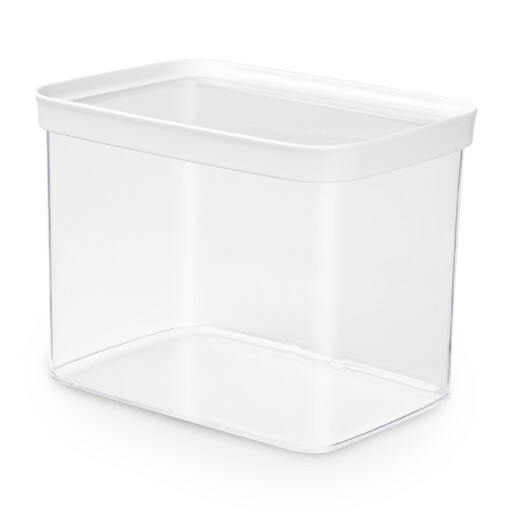
Why It Stands Out: The Emsa Optima storage container is designed specifically for the needs of a modern kitchen. The lid closes with an audible click, which, according to the manufacturer Emsa, guarantees secure protection against moisture and pests. The sizes are tailored to standard kitchen cabinet dimensions, and the non-slip stacking rims allow for safe, space-saving storage.
Advantages:
Who Is It For? For households looking for a well-designed, uniform system for storing dry goods like flour, sugar, cereal, or pasta. Ideal for anyone who values order, hygiene, and maximum space utilization.
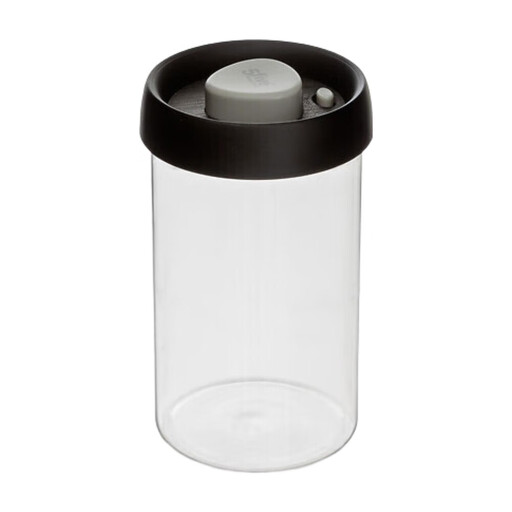
Why It Stands Out: This storage jar stands out with its integrated vacuum pump in the lid. A simple pumping action removes air from the container, slowing down oxidation and extending the freshness of delicate foods. The body is made of transparent borosilicate glass, which is durable and non-porous.
Advantages:
Who Is It For? For users who store particularly delicate foods such as coffee beans, ground coffee, nuts, tea, or dried herbs and want to focus on maximum aroma protection.
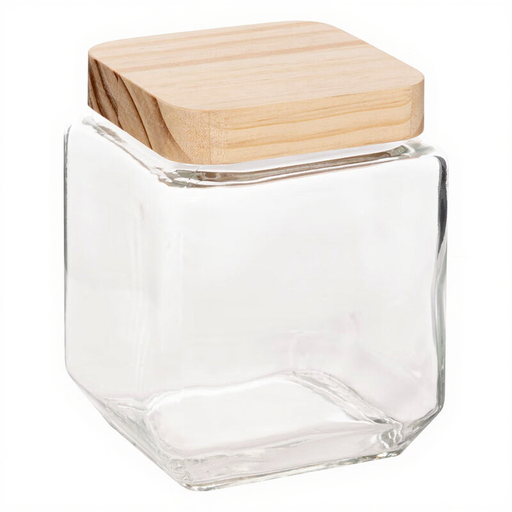
Why It Stands Out: This storage jar with lid combines functionality with a natural aesthetic. The square glass body ensures efficient use of space, while the solid pine wood lid with a silicone seal adds a warm, visual accent.
Advantages:
Who Is It For? For anyone looking for a functional storage solution that also serves as a decorative element in the kitchen. Perfect for displaying items like pasta, rice, lentils, or cookies.
Proper storage isn't just crucial for flour and pasta. Specialised containers exist for other needs as well. For example, if you need a durable solution for storing pet food, you can find suitable options in our long-term pet food storage containers category that will also keep the contents fresh and protected from pests.
Which material is better for pantry containers: glass or plastic? Both materials have their advantages. Glass is hygienic, non-porous, and doesn't stain, but it is heavier and more fragile. Plastic is lightweight, shatterproof, and often more affordable. The choice depends on your personal priorities: durability and hygiene (glass) or ease of handling and shatter-resistance (plastic).
What does "airtight" mean for food storage containers? "Airtight" means the lid seals the container in such a way that there is no exchange of air or moisture with the outside environment. This protects dry foods from going soft, preserves the aroma of coffee or spices, and prevents pantry pests from getting in.
How can I maximize the lifespan of my pantry containers? Follow the manufacturer's care instructions. Check if the containers are dishwasher-safe. Clean gaskets by hand regularly to maintain their elasticity. With glass containers, avoid extreme temperature changes (e.g., from the refrigerator directly into hot water) to prevent thermal shock cracks.