
Lieferung heute & morgen

Qualitätsgarantie

Willkommens-Angebote freischalten: KOSTENLOSE Lieferung | Bis zu 80 % RABATT | Kostenlose 30-Tage-JoyPlus-Testphase
App herunterladen
A well-stocked pantry is the foundation of any kitchen. Ordering staples like pasta, rice, and legumes online saves time and effort. However, digital shopping also has its pitfalls. If you're not careful, you could overpay for misleading package sizes or end up with products of questionable quality. Appealing product images can often hide lower nutritional values or unwanted additives.
This guide will help you avoid these common mistakes. We'll show you which objective criteria matter so you can fill your pantry with high-quality, long-lasting foods that truly meet your needs.
To make informed purchasing decisions, it's helpful to focus on a few core features rather than being swayed by marketing promises. The following three points are crucial.
The easiest way to check quality is to look at the ingredient list. For pantry staples, this list should ideally be very short. A product like "Spelt Macaroni" should list spelt semolina as its main ingredient. For legumes like lentils or beans, the list should only contain the respective legume.
Also, pay attention to the nutrition facts table. Are you specifically looking for protein-rich staples? Compare the protein content per 100 grams. A high fibre content is also a sign of a wholesome product. This ensures you're buying valuable nutrients, not just calories.
Reputable suppliers provide clear information about the manufacturer. Brands like Müller's Mühle or Dorfmühle Pasta have been known for their mill products for decades and stand for traceable processing. If you are specifically looking for German specialities like Sp?tzle, the "Made in Germany" label indicates traditional recipes and production standards. This transparency allows you to trace the origin of your food and choose products from established manufacturers.
Bulk food packages often seem cheap at first glance. However, the decisive factor is not the total price, but the price per kilogram or per 100 grams. Many online shops display this unit price directly on the product page. It's worth comparing, as smaller packages are often more expensive when scaled up. Consider what quantities you will realistically use to avoid food waste, while still benefiting from the cost advantages of larger units when you stock your pantry.
Based on the criteria mentioned, we have selected a few products that are suitable for different needs and cooking habits.
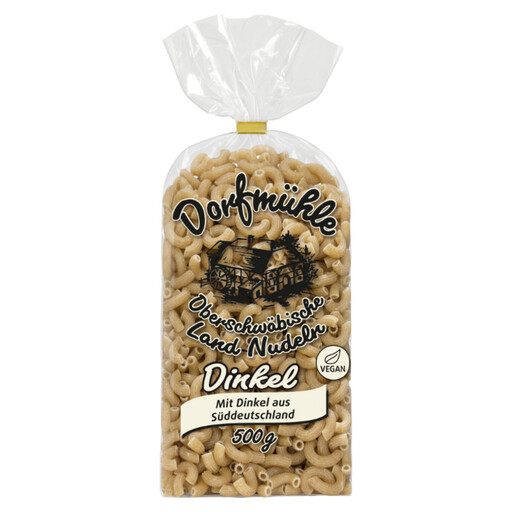
Why This Fits Their Persona: Ideal for anyone seeking an alternative to traditional wheat and who values nutrient-rich ingredients. This pasta, made from pure spelt semolina, fits perfectly into a mindful diet.
The ingredient list is minimalist and transparent: it consists solely of spelt semolina. There are no hidden additives.
High in fibre (5.7 g/100 g) and plant-based protein (13.7 g/100 g). It's also egg-free, making it suitable for a vegan diet.
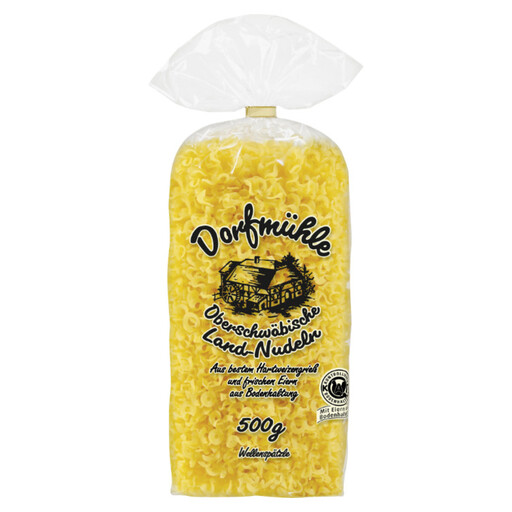
Why This Fits Their Persona: Perfect for families who appreciate classic German dishes. Sp?tzle is a versatile side for roasts, goulash, or as a standalone dish like K?sesp?tzle.
Made with durum wheat semolina and 10% fresh eggs, it follows a traditional recipe. The manufacturer, Buck GmbH & Co. KG, is clearly stated.
The pasta's rough surface absorbs sauces well. A short cooking time of 5–7 minutes makes it a convenient option for busy family life.
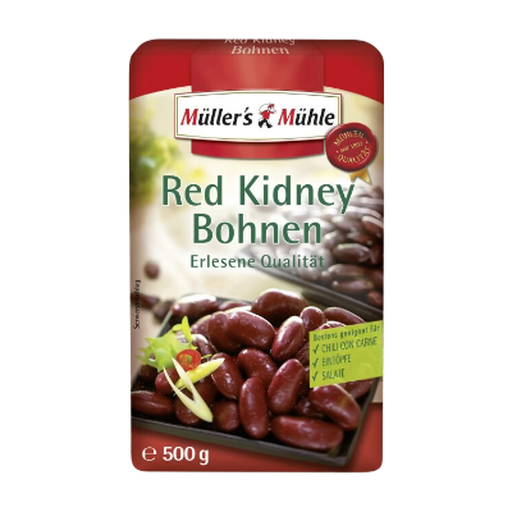
Why This Fits Their Persona: A must-have for any pantry. Dried beans are extremely long-lasting, cost-effective, and an excellent source of plant-based protein for stews, salads, or chili con carne.
The product is 100% kidney beans, with no added salt or preservatives. The nutritional information is clearly declared, allowing for mindful meal planning.
Very high protein content of 21 g per 100 g (in its uncooked state). As a dried product, it's a space-saving and long-lasting option for your pantry.
Dry foods like rice, pasta, and legumes should always be stored in a cool, dry, and dark place. After opening the original packaging, it is advisable to transfer the contents into airtight containers. This protects them from moisture, pests, and loss of flavour. Glass or hard plastic containers are well-suited for this purpose.
Pay attention to the ingredients. High-quality pasta usually consists only of durum wheat semolina (and possibly egg or water). A rough, porous surface is often a mark of quality, as it absorbs sauces better. Products from well-known manufacturers like Dorfmühle Pasta also offer consistent quality.
Not necessarily. To find out, you should always compare the unit price (price per kg or 100 g). Bulk packages often offer a price advantage, but only if you can use the quantity before the expiry date. For single-person households, smaller packages can sometimes be the more practical and ultimately more cost-effective choice.