
Lieferung heute & morgen

Qualitätsgarantie

Willkommens-Angebote freischalten: KOSTENLOSE Lieferung | Bis zu 80 % RABATT | Kostenlose 30-Tage-JoyPlus-Testphase
App herunterladen
For many, panty liners are an essential part of daily hygiene. However, the market can be overwhelming, filled with products that over-promise and under-deliver. Choosing the wrong panty liner can lead to skin irritation, discomfort, and inadequate protection. This guide will help you navigate the most common purchasing pitfalls and make an informed decision based on objective criteria.
Before choosing a product, it's helpful to recognise the common marketing promises that often lead to the wrong choice.
To find the right panty liner, you should focus on three fundamental product features. These determine comfort, protection, and skin compatibility.
The material that comes into direct contact with your skin is crucial for comfort and compatibility.
The shape and size of the liner must suit the intended use and your underwear.
For daily use, less is often more.
Based on these objective criteria, we have selected a few products for specific user profiles.
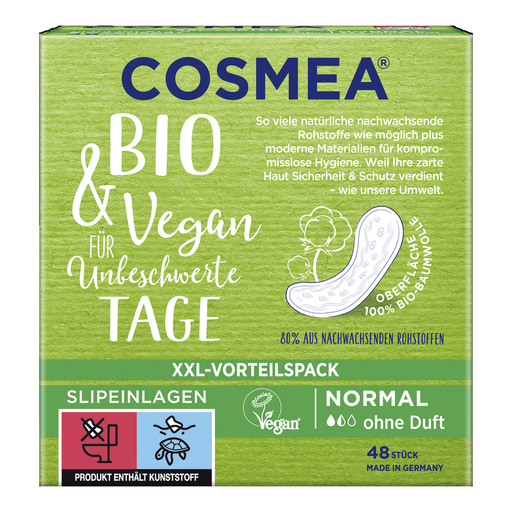
Why it's a great fit: Perfect for users who prioritise natural materials and gentle skincare. The fragrance-free formula and organic cotton top sheet are tailored to the needs of sensitive skin.
This product intentionally avoids fragrances, sidestepping the "fresh scent" fallacy. Its breathable design without a plastic film prevents heat and moisture build-up.
According to the manufacturer, the top sheet is made of 100% certified organic cotton. The absorbent core is chlorine-free bleached.
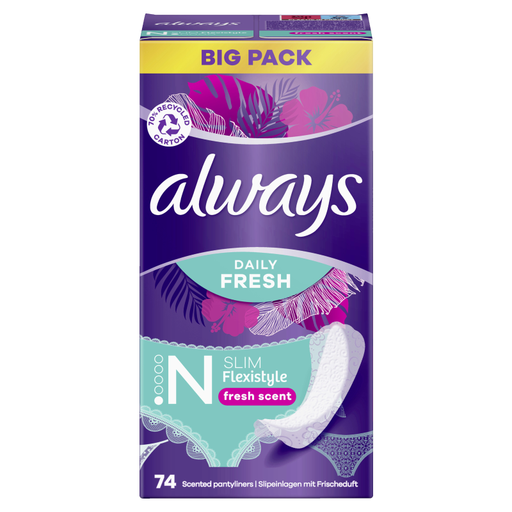
Why it's a great fit: For women seeking a discreet and adaptable liner for various underwear styles. Its thin, flexible shape ensures comfortable wear without being noticeable.
This product solves the fit problem by adapting flexibly, thus avoiding the "one-size-fits-all" trap in terms of shape. It is specifically designed as a thin liner for daily use.
The liner is, according to the manufacturer, less than 1 mm thin and adapts to different underwear shapes. Its skin compatibility is dermatologically confirmed.
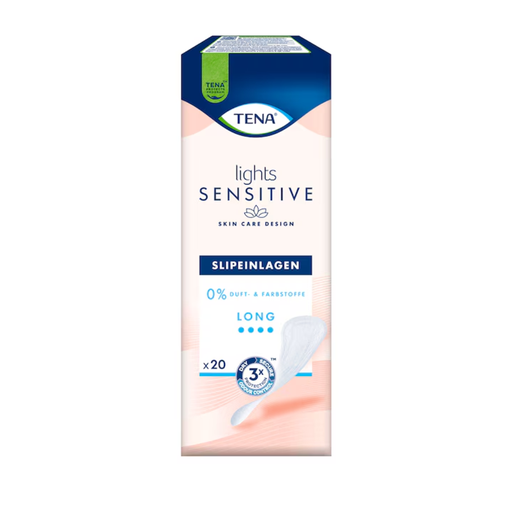
Why it's a great fit: Specifically developed for women with very light bladder weakness. It offers targeted protection that goes beyond a standard panty liner, while remaining discreet and skin-friendly.
This is not a "one-size-fits-all" product; it is clearly positioned for light incontinence. It provides Triple Protection against leaks, moisture, and odours, which are different for urine than for discharge.
According to the manufacturer, the product is free of fragrances and dyes and is dermatologically tested, making it suitable for sensitive skin.
We have compiled a complete, up-to-date list of products that fully meet these strict selection criteria and safety standards.
For optimal hygiene and to prevent skin irritation, it is recommended to change panty liners every 4 to 6 hours. More frequent changes may be advisable during heavier discharge, on warm days, or during exercise.
When used and selected correctly, panty liners are safe for daily use. It is advisable to opt for breathable and fragrance-free products, ideally with a cotton top sheet, and to change them regularly. Ultimately, it's a personal choice for added freshness and comfort.
The main difference lies in the absorbent core. Panty liners for light bladder weakness are designed to quickly absorb thin liquid like urine and neutralise odours (especially ammonia). Conventional panty liners are optimised for thicker vaginal discharge and often have a lower and slower absorption capacity.