
Lieferung heute & morgen

Qualitätsgarantie

Willkommens-Angebote freischalten: KOSTENLOSE Lieferung | Bis zu 80 % RABATT | Kostenlose 30-Tage-JoyPlus-Testphase
App herunterladen
As a Joybuy Product Recommendation Officer, I see consumers facing the same challenges every day when choosing disposable tableware. A paper plate might seem like a simple product, but the differences in quality and material are enormous. Making the wrong choice not only leads to soggy plates and stained clothes at your party but also often results in unnecessary spending on products that don't live up to their promises. This guide will help you navigate the common pitfalls and find the perfect plates for your occasion.
Before we dive into the important selection criteria, let's look at the two most common problems that arise when choosing paper plates.
To avoid the problems mentioned above, you should check three crucial factors before buying. These will help you separate the wheat from the chaff and make an informed decision.
The material is the most important factor for the functionality of a disposable plate. The most common options have specific advantages and disadvantages:
The coating is just as important. A thin PE (polyethylene) or PLA (polylactic acid, from corn starch) coating makes the plate resistant to moisture and grease, prevents it from becoming soggy, and increases its stability.
Not every plate is suitable for every purpose. Pay attention to the shape and weight of the material:
The intended use determines the design. For a child's birthday, colourful party plates with motifs are an excellent choice to create a festive atmosphere. For a more formal event or professional catering use, simple, white, or natural-coloured plates are often the better option.
Here are some product recommendations tailored to specific user profiles, taking the above criteria into account.
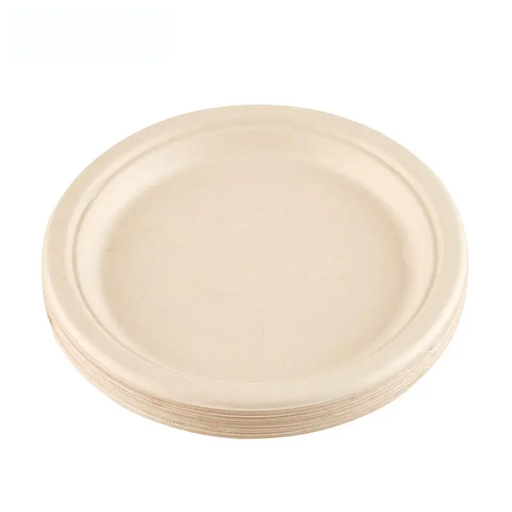
Why This Fits Their Persona: Ideal for users seeking a sustainable solution without compromising on functionality. Perfect for parties and picnics with a clear conscience.
These plates are made from sugarcane pulp (bagasse), a by-product. They are naturally water- and oil-resistant, which avoids the soggy plate trap. Furthermore, they are genuinely biodegradable, thus bypassing empty eco-promises.
Microwave-safe: Food can be heated directly on the plate. High stability: Suitable for hot, cold, and greasy dishes.
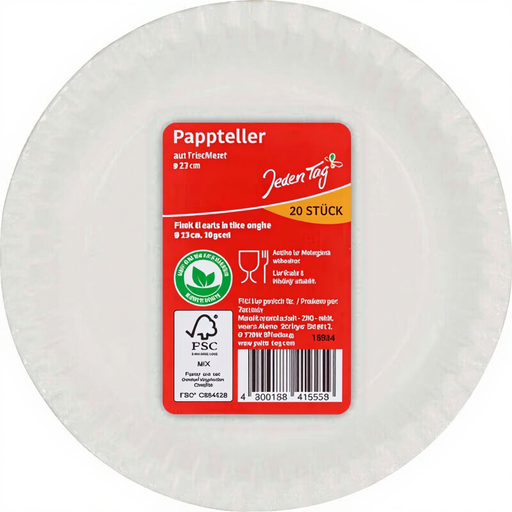
Why This Fits Their Persona: A reliable and cost-effective solution for larger gatherings, spontaneous barbecues, or daily use where functionality and good value for money are the priority.
Thanks to the food-safe inner coating, rapid soaking with normal foods is prevented. These plates offer solid basic stability, thus avoiding the trap of the cheapest, unusable paper plates.
Large Diameter: At 23 cm, the plates offer ample space for main courses. Classic Design: The simple white design suits any occasion.
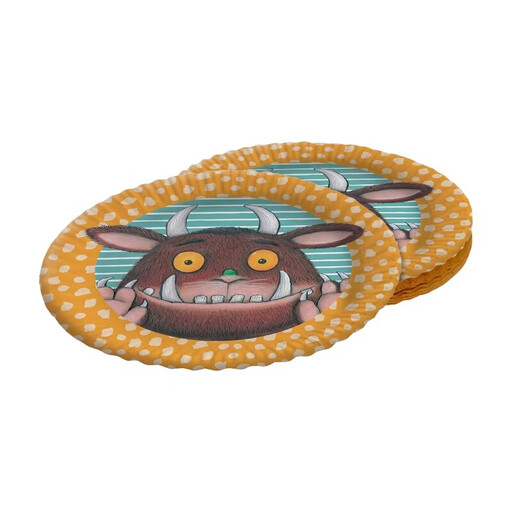
Why This Fits Their Persona: Perfect for parents who want to create an unforgettable themed party for their children. The design is the main focus, without neglecting basic functionality.
These plates are made from sturdy cardboard and are not just a decorative item. They can easily hold a slice of birthday cake or snacks, thus avoiding the disappointment of flimsy, unusable themed plates.
Popular Theme: The Gruffalo design is a hit with children. Practical Size: With a 23 cm diameter, they are ideal for party food and cake.
Compostability depends on the material and coating. Uncoated paper plates or those made from sugarcane are generally degradable in a home compost bin. Plates with a conventional PE (plastic) coating are not and belong in the general waste. Products with a PLA (bioplastic) coating are industrially compostable, meaning they require special conditions to decompose that are usually not met in a home compost. Look for relevant certifications like "home compostable" or the EN 13432 standard for industrial compostability.
Look for three features: the material, the coating, and the shape. Plates made from sugarcane (bagasse) or sturdy kraft paper are often a good choice. A visible, smooth inner coating is an indicator of grease and water resistance. Additionally, a high, stable rim ensures that nothing spills, even with saucy dishes.
There is no one-size-fits-all answer. Many simple paper plates, especially those with a PE plastic coating, are not suitable for the microwave, as chemicals can leach or the coating can melt. However, plates made from 100% sugarcane (bagasse) are often microwave-safe. Always check the manufacturer's instructions on the packaging to be sure. If there is no information, you should avoid using them in the microwave.