Detail photographers
You want to show fibres, embossing and small folds, and you can adjust the angle of light on your subject. Nikon explains how side lighting can bring out surface texture.


For fine paper texture, a continuously lit light that’s easy to position is a good starting point. Side lighting can bring out fibres and embossing, but it can also cast shadows into the folds. Softer light helps you capture the star more evenly, while a compact battery-powered light is especially useful when space is limited or there’s no permanent mains connection available.
You want to show fibres, embossing and small folds, and you can adjust the angle of light on your subject. Nikon explains how side lighting can bring out surface texture.
You need consistent product photos that accurately show the paper colour and shape of the star. Canon Europe highlights both even lighting and a suitable white balance for product photography.
You’re working on a small table or in different locations, so you need to consider size, mounting and power supply. A compact light bar and a COB light with a light modifier differ in their design and the accessories they require.
Compare lights based on what matters most for your paper star photos: visible texture, accurate paper colour, a suitable light modifier or a lightweight, portable set-up.
A good choice if: you can adjust the light angle and shadows precisely, and have room for the light and a stand.
Bear in mind: Side lighting can bring out texture, but it can also create harsh shadows. Make sure the mount and set-up are compatible with your light modifier.
A good choice if: you want to light the folds and the whole star as evenly as possible, and have enough room for the set-up.
Bear in mind: Softer light can reduce the contrast of fine paper texture. Check the adapter, stand and actual package contents separately.
A good choice if: you often change shooting locations or can’t fit a larger mains-powered set-up on your table.
Bear in mind: Battery life varies by model and power setting. A slim light bar doesn’t offer the same choice of light modifiers as a COB light with a softbox.
| Priority | What to check before buying | Who it matters most to |
|---|---|---|
| Fine surface texture | Positioning and tilt; whether you can shape the light. | If I want to show fibres and embossing without losing sight of the folds, I need to be able to change the angle of light on the star. Around 36% of consumers rank visible surface texture as their top buying priority. |
| Accurate paper colour | Colour temperature range for the exact model; ideally, avoid uncontrolled mixed ambient light. | If I want the paper colour to look right in the product photo, I pay attention to the colour temperature that suits my set-up and to the white balance. Around 29% of consumers put paper colour reproduction first. |
| Light modifiers and space | Mount and any required adapter; attachment method and package contents. | If I want softer light on the star, the light modifier and light need to suit my space and set-up. Around 21% of consumers rank space, mounting and accessories as their top buying priority. |
| Power on the go | Mains or battery power; battery life at the required brightness and a suitable mounting option. | If I’m taking photos in different locations, I want to know what power source and battery life my set-up needs. Around 14% of consumers put portability and power supply first. |
A lux figure depends, among other things, on the measuring distance and the reflector or light modifier used. Godox gives the SL60IIBi’s maximum figure at one metre with a standard reflector; SmallRig lists readings for the RC 60B Lite Edition both with and without a reflector.
Only compare figures taken under the same conditions, and test your intended set-up directly with the paper star.
According to Nanlite, the FS-60B has an FM mount. Bowens accessories require the adapter specified for it.
Check that the mount and adapter match the actual package contents before planning to use the light modifier.
You may need to buy a suitable adapter or a different light modifier separately.
Side lighting can bring out surface texture, while more even, shadow-free lighting is intended to achieve a different look. Nikon explains how side lighting can reveal texture, while Canon Europe describes a light tent as one way to take product photos with fewer shadows.
Compare photos taken with side lighting and softer light, and check that both the texture and the shape of the star remain clear.
The right power supply depends on where you’re taking photos and how long you need the light for. SmallRig states that the RC 60B Lite Edition runs for 45 minutes at maximum power.
Check the battery life you need, as well as the power source, plug, mounting and accessories for the specific version.
The SL60IIBi is a mains-powered bi-colour COB light designed for a set-up with adjustable Bowens light modifiers.
The FS-60B is a mains-powered bi-colour light with an FM mount.
The RC 60B Lite Edition is a compact COB light with a battery, designed for shooting without a permanent mains cable by your subject.
The CB60B is a bi-colour COB light with a Bowens mount, designed for a fixed set-up.
The VL119 is a slim battery-powered light bar for a compact set-up that can be positioned in different ways.
This selection includes COB continuous lights for set-ups with light modifiers, as well as compact battery-powered lights and light bars for limited space or changing shooting locations.
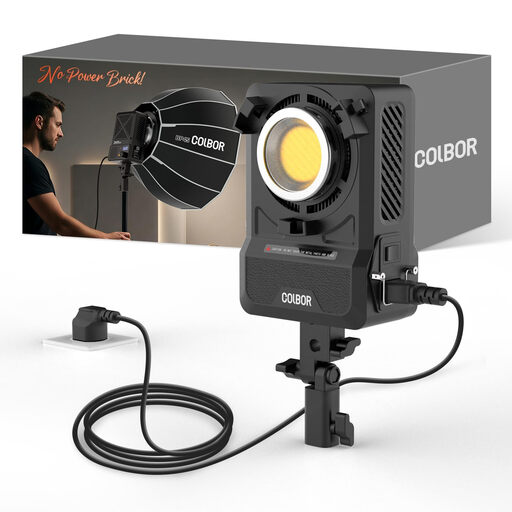 No image available
The Bowens mount is useful if you’re planning to use a compatible light modifier in your set-up.
200 W; 2700–7000 K; bi-colour; built-in power supply; COB; Bowens mount.
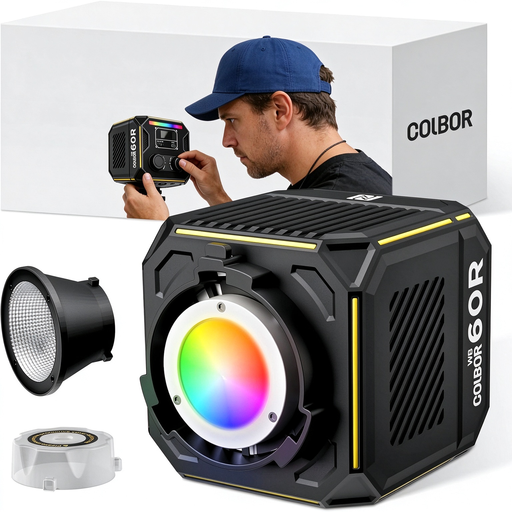 No image available
The built-in battery may suit a set-up where you want to work without a permanent mains cable by your subject.
60 W; 2700–6500 K; bi-colour and full colour; built-in 59-Wh battery; COB.
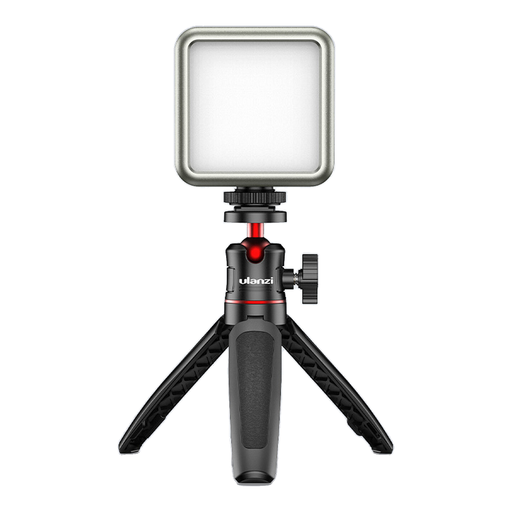 No image available
This compact light with magnetic mounting is worth considering for a small set-up if you’re looking for a light source that’s easy to position.
2000-mAh battery; RGB; 2500–9500 K; dimmable; magnetic mounting.
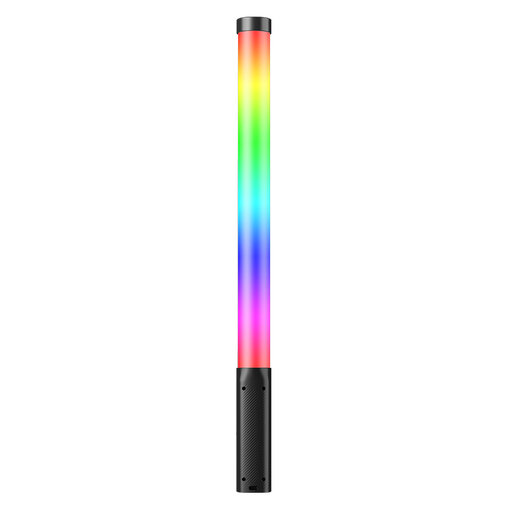 No image available
The light bar is a compact alternative to COB lights, but it doesn’t offer the same choice of light modifiers as a COB light with a softbox.
10 W; RGB; 2500–9000 K; 3300-mAh battery; 360 lux at 0.5 m according to the product title.
 No image available
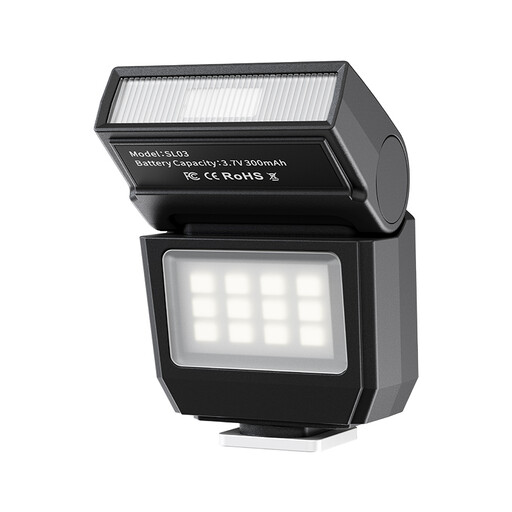
The continuous video light mode and tilting head are useful for a compact camera set-up if you want to direct the light at your subject.
6500 K; four power settings from 1/8 to 1/1; head tilts by 90°; USB-C charging.
Start with a light positioned to the side, then check which paper details and folds are visible in the image. If parts of the star are too dark or the shadows look too harsh, change the angle or use a suitable light modifier. A tripod helps you frame comparison shots consistently.
No. Neither of these alone guarantees accurate paper colour. Set the white balance to suit the light and look out for other light sources with a different colour temperature. CRI figures in product specifications don’t prove how colours will look in your finished photos.
It depends on the specific package. SmallRig lists softboxes as optional accessories for the RC 60B Lite Edition; with the Nanlite FS-60B, you need an adapter for Bowens accessories. So check the actual package contents and mounts for the version on offer.
Check the mount, stand and light modifier for the specific model, and route the cable so the light is stable. The Godox SL60IIBi instructions warn that parts can get hot and say to unplug the light before cleaning or maintenance. Don’t assume these model-specific instructions apply to other lights without checking.
When you buy from a retailer, you’re generally covered by the statutory legal guarantee for at least two years from the date you receive the goods. A voluntary manufacturer’s warranty doesn’t replace it. Any additional repair rights for a particular video light need to be checked separately, based on the product category and the specific circumstances.