
Lieferung heute & morgen

Qualitätsgarantie

Willkommens-Angebote freischalten: KOSTENLOSE Lieferung | Bis zu 80 % RABATT | Kostenlose 30-Tage-JoyPlus-Testphase
App herunterladen
Choosing the right paper towels might seem like a simple task. However, when faced with the supermarket aisle or online store, you can quickly become overwhelmed by a multitude of options, ply counts, and pack sizes. Often, well-intentioned marketing promises lead to a purchase that proves impractical or uneconomical in daily use. As your Joybuy Product Recommendation Officer, I'll help you identify the crucial features and sidestep common purchasing traps.
Before we dive into the key quality features, let's clear up two widespread misconceptions that often lead to unnecessary spending.
The Ply Myth: "More plies are always better" Many shoppers assume that a higher ply count automatically means greater absorbency and tear resistance. This is only partially true. The quality of the material, the manufacturing process, and the embossing of the individual sheets play an equally significant role. A well-made 2-ply roll can, in some cases, be more tear-resistant than a poorly produced 3-ply version.
The Bulk-Buy Trap: "More rolls mean more product" Value packs suggest savings. However, the number of rolls is not a reliable indicator of the actual content. Some manufacturers reduce the number of sheets per roll or shrink the sheet size to keep the pack price attractive. Therefore, anyone buying paper towels in bulk should always compare the total number of sheets or the square footage to objectively assess the value for money.
To find the right paper towels for your household, you should focus on three objective parameters.
The ply count is a starting point, but not the sole criterion.
The material is also crucial. Most rolls are made from pulp (virgin fibre), recycled fibres, or alternative materials like bamboo. Products with an FSC (Forest Stewardship Council) seal indicate sourcing from responsible forestry.
There is no standardisation of sheet sizes. Pay attention to the dimensions of the individual sheets. Some brands, such as Zewa Wisch und Weg, offer rolls with an additional perforation in the middle of the sheet. This allows you to take half-sheets for smaller mishaps and can significantly reduce consumption.
Instead of making a one-size-fits-all recommendation, we have curated products for different household profiles and needs.
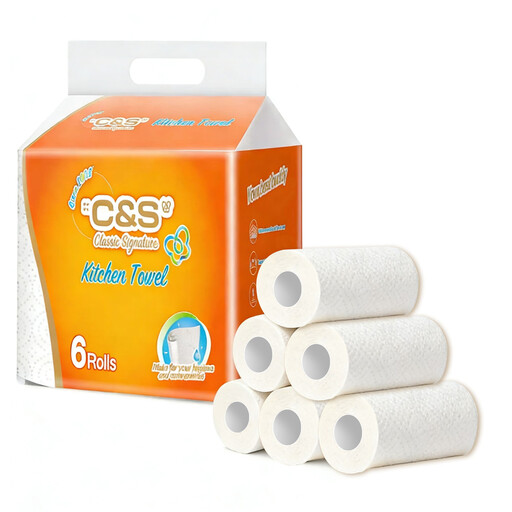
Why This Fits Their Persona: Ideal for families and anyone looking to stock up practically while getting good value for money. The focus is on functionality and economy for daily use.
This product bypasses the bulk-buy trap by clearly stating the total sheet count (390 sheets). This allows for a transparent price-per-sheet calculation, rather than relying solely on the number of rolls.
Economical bulk pack with 6 rolls. The 2-ply paper made from virgin pulp is suitable for most everyday kitchen tasks like absorbing grease and water.
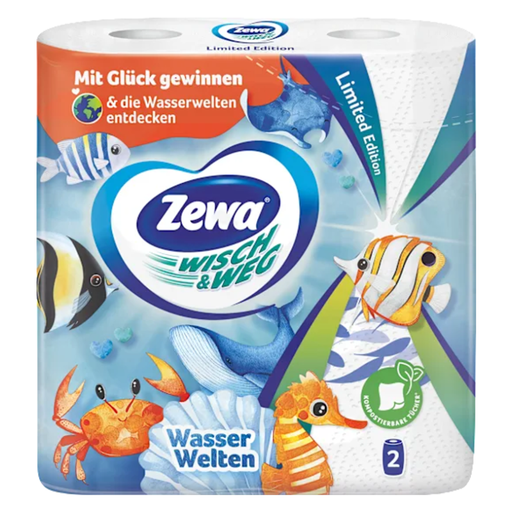
Why This Fits Their Persona: For users who refuse to compromise on cleaning. Ideal for demanding tasks where high absorbency and extreme wet strength are required.
This product debunks the ply myth. Instead of just promoting the ply count, the manufacturer highlights the innovative honeycomb structure and reinforced wet strength. Here, quality lies in the technology, not just the amount of paper.
According to the manufacturer, the honeycomb technology provides high strength. The paper remains stable even when scrubbing or wringing out. Suitable for cleaning countertops, windows, and appliances.
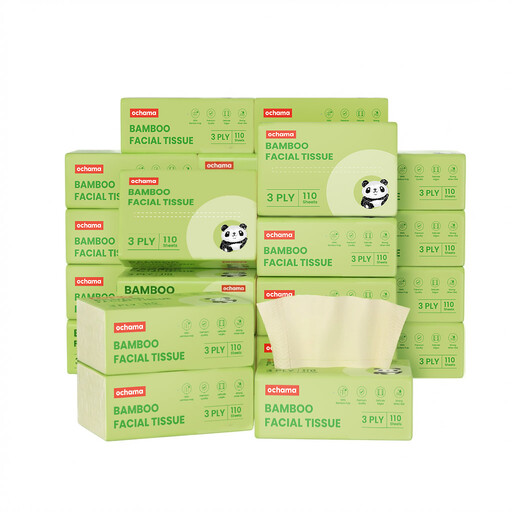
Why This Fits Their Persona: An excellent choice for anyone seeking a sustainable alternative to conventional paper towels without sacrificing quality. Suitable for versatile use throughout the home.
This product avoids the "greenwashing" trap with specific, verifiable claims: it's made from 100% pure bamboo pulp, is unbleached, and free of fluorescent whitening agents.
Made from bamboo, a rapidly renewable resource. The 3-ply structure is durable both wet and dry, yet gentle on the skin.
We've compiled a complete, up-to-date list of products that fully meet these strict selection criteria.
1. How many plies should a good paper towel have? There's no one-size-fits-all answer. For simple, everyday tasks, a high-quality 2-ply roll is often sufficient. For soaking up larger spills or for cleaning jobs that require wet strength, 3- or 4-ply rolls are generally the better choice. In addition to the ply count, pay attention to the embossing and material quality.
2. Are more expensive paper towels really more absorbent? Not necessarily. The price is influenced by many factors, including brand name, material (e.g., bamboo vs. recycled), sheet count, and special technologies (e.g., unique embossing). A higher price can indicate higher quality, but a direct comparison of specifications like sheet count and material is always advisable.
3. Can you flush paper towels down the toilet? No, you should never do this under any circumstances. Unlike toilet paper, which is designed to dissolve quickly in water, paper towels are engineered for tear resistance, especially when wet. Flushing paper towels can lead to severe blockages in your drain pipes and the sewer system. Always dispose of used paper towels in the household waste.