
Lieferung heute & morgen

Qualitätsgarantie

Willkommens-Angebote freischalten: KOSTENLOSE Lieferung | Bis zu 80 % RABATT | Kostenlose 30-Tage-JoyPlus-Testphase
App herunterladen
A parasol is more than just a source of shade. It's a central element for outdoor comfort and protection, whether in your garden, on your balcony, or on the go. But the market can be overwhelming, and not every model lives up to its promise. Many buyers invest in products that fall apart after a short time. This guide will help you navigate the common pitfalls and make an informed decision.
Before you make a choice, it's important to understand the most common issues that lead to disappointment.
To avoid a bad purchase, you should check three core aspects. These define the quality, durability, and protective function of a parasol.
The most important parameter for a UV protection parasol is the Ultraviolet Protection Factor (UPF). This value indicates how much UV radiation is blocked by the fabric.
For reliable protection, especially for children or during extended periods outdoors, a UPF of 50+ is the recommended standard. This means the fabric blocks more than 98% of UV rays. Look for this specification in the product details.
A parasol's longevity is determined by its materials.
Not every parasol is right for every location.
Here is a selection of products tailored to specific user profiles that meet the quality criteria mentioned above.

Why This Fits Their Persona: Ideal for users seeking a durable and convenient solution for their patio or garden. The large diameter provides ample shade for a full seating area.
The powder-coated aluminium frame prevents rust (Mistake #3). The manufacturer's recommendation for a 40 kg base directly addresses the problem of instability (Mistake #2).
Large 270 cm diameter for extensive shade. Convenient operation with a crank mechanism. Water-repellent and removable cover.
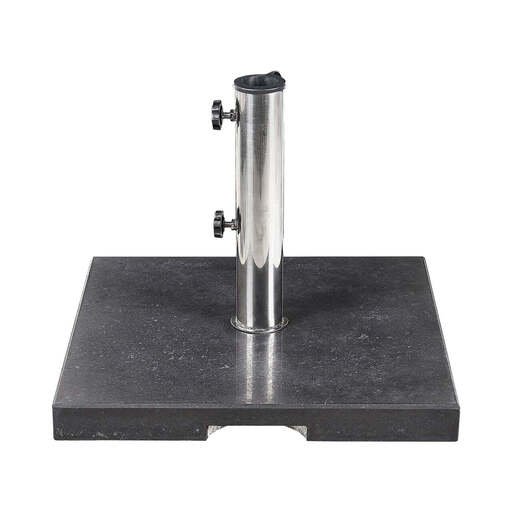
Why This Fits Their Persona: For buyers who already own or are purchasing a large garden parasol and refuse to compromise on stability.
With 25 kg of solid granite, this base provides the necessary stability that lightweight plastic models lack (Mistake #2). Granite and stainless steel are extremely weather-resistant and durable (Mistake #3).
High stability and wind resistance. Compatible with pole diameters from 38–58 mm thanks to adapters. Practical recessed grips for easy transport.
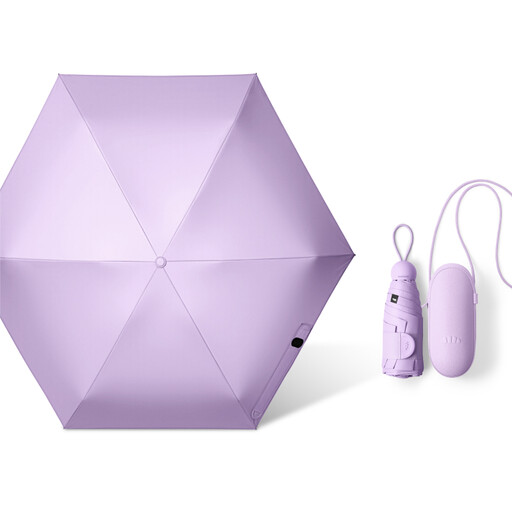
Why This Fits Their Persona: Perfect for daily city life, travel, or for anyone who wants effective sun protection always on hand. Fits in almost any handbag or jacket pocket.
According to the manufacturer, it offers maximum protection with UPF 50+ and blocks >99% of UV rays, thus avoiding the most common mistake (Mistake #1). The reinforced frame provides good wind stability for its size.
Extremely compact (19 cm when folded) and lightweight. Comes with a practical capsule case for storage. Dual-use for both sun and rain.
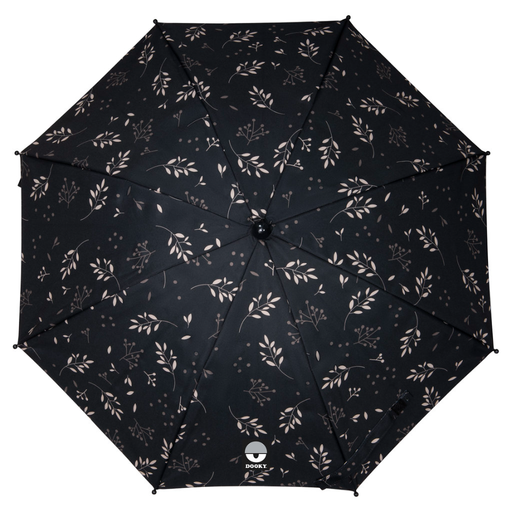
Why This Fits Their Persona: Designed for parents who need a safe, flexible, and universally compatible sunshade solution for their stroller or buggy.
With certified UPF 50+ protection, it reliably shields the sensitive skin of babies and toddlers (Mistake #1). The flexible yet sturdy frame ensures stable positioning even in a light breeze (Mistake #2).
Universal clamp for both round and square frames. Thanks to "Flex Technology," it can be bent in two places for optimal shade alignment. Large 76 cm diameter.
We have compiled a complete, up-to-date list of products that fully meet these strict selection criteria and rigorous safety standards.
The recommended weight depends on the diameter of the parasol. As a general guideline:
UPF stands for "Ultraviolet Protection Factor" and is comparable to the SPF (Sun Protection Factor) in sunscreens. A rating of UPF 50+ means the fabric allows less than 1/50th (or under 2%) of UV-B and UV-A radiation to pass through. This is the highest available protection standard and is highly recommended for effective sun protection.
Most polyester canopies can be cleaned with a mild soap solution and a soft cloth. Allow the parasol to air dry completely before closing it to prevent mould growth. For removable covers, follow the manufacturer's washing instructions (often hand wash). Store the parasol in a dry, sheltered place over the winter, ideally in a protective cover.