
Lieferung heute & morgen

Qualitätsgarantie

Willkommens-Angebote freischalten: KOSTENLOSE Lieferung | Bis zu 80 % RABATT | Kostenlose 30-Tage-JoyPlus-Testphase
App herunterladen
A good paring knife is an indispensable tool in any kitchen. It's compact, agile, and ideal for precision tasks, from peeling an apple to cleaning vegetables. However, the market can be overwhelming, and many buyers invest in knives that quickly dull, feel uncomfortable in the hand, or are unsuitable for their intended purpose. As your Joybuy Product Recommendation Officer, I'll help you identify the typical pitfalls and make an informed decision.
Before we dive into the features of a good knife, let's look at the most common reasons for a poor purchase. These issues often lead to a once-promising knife being relegated to a drawer after a short time.
To avoid the pitfalls mentioned above, you should check three technical aspects before buying. These define the performance and lifespan of your future kitchen assistant.
The quality of a knife starts with its steel. There are two basic manufacturing methods:
The shape of the blade should match your most frequent tasks.
The handle is the interface between you and the knife. An ergonomically shaped handle made of non-slip synthetic material provides a secure grip, even when wet. Look for a seamless transition from the blade to the handle. This is not only more comfortable but also more hygienic, as no food residue can get trapped. On forged knives, the full tang (the extension of the blade into the handle) ensures optimal balance.
Based on the criteria above, we have identified a few models that are suitable for different needs and budgets.
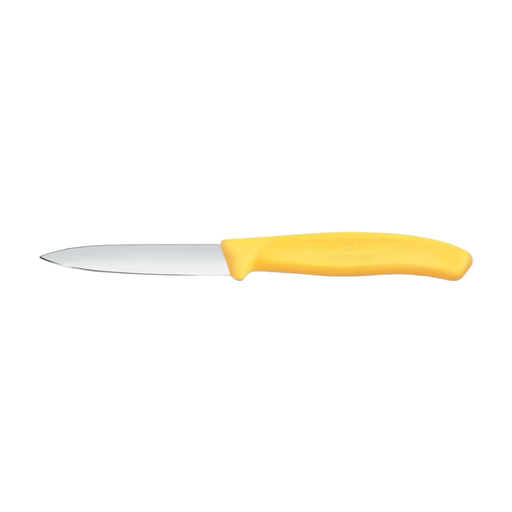
Why This Fits Their Persona: Ideal for daily use in the home kitchen. This knife offers proven Swiss quality at a very accessible price and is perfect for anyone seeking a reliable, straightforward tool for everyday peeling tasks.
The high-quality stainless steel from Victorinox debunks the "stainless myth" with genuine durability. The ergonomic synthetic handle avoids the ergonomics trap by providing a secure grip.
Excellent value for money; very light and agile; long-lasting out-of-the-box sharpness.
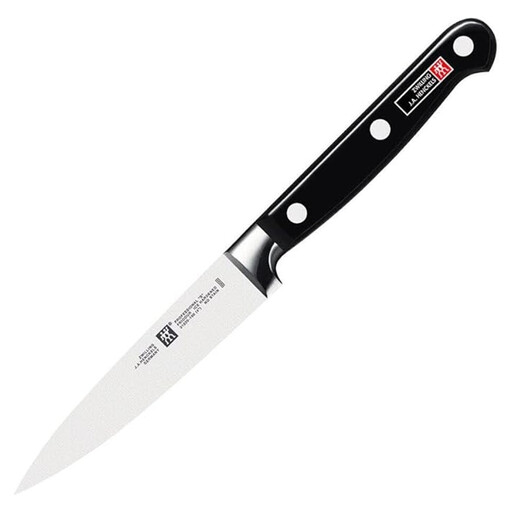
Why This Fits Their Persona: For ambitious home cooks who value traditional craftsmanship, perfect balance, and maximum durability. A tool designed for intensive, long-term use.
The blade, forged from a single piece of steel with a bolster, offers excellent balance and feel, thus avoiding the ergonomics trap. The FRIODUR ice-hardening process ensures verifiably high material quality.
SIGMAFORGE blade for stability and precise cuts; classic three-rivet design with a full tang for optimal balance.
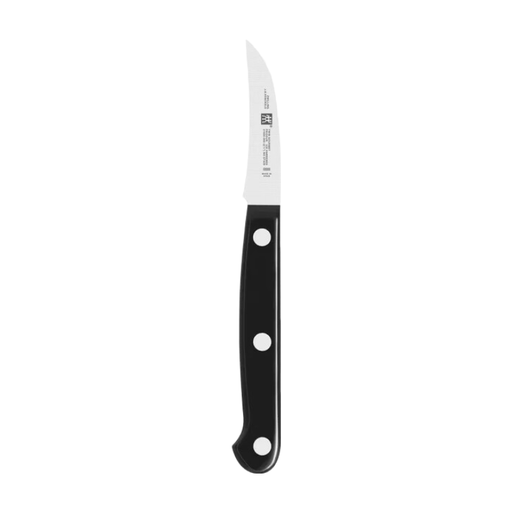
Why This Fits Their Persona: This knife is designed for users who frequently peel round fruits and vegetables. Its specialised blade shape makes this task exceptionally efficient and economical, making it the perfect specialty tool.
It solves the "unsuitable blade shape" trap through its specialisation. Instead of being a compromise, it is optimised for a specific task and delivers superior results.
Short, curved blade for maximum control when peeling; compact and lightweight design for fatigue-free work.
We have compiled a complete, up-to-date list of products that fully meet these strict selection criteria and German safety regulations.
1. Is a forged paring knife always better than a stamped one? Not necessarily. A forged knife like the Zwilling Professional S offers excellent balance and stability due to its bolster, which many professionals appreciate. However, a high-quality stamped knife like the Victorinox Swiss Classic is lighter, often more affordable, and provides excellent sharpness that is more than sufficient for most home kitchen tasks. The choice depends on personal preference regarding weight, balance, and budget.
2. How often does a good paring knife need to be sharpened? The frequency depends on usage, blade quality, and the cutting surface. With daily use, a high-quality knife should be honed with a honing steel every few weeks to realign the edge. A full resharpening on a whetstone is recommended once or twice a year, depending on its condition. Knives with a serrated edge need to be sharpened much less frequently, if at all.
3. Can I clean my paring knife in the dishwasher? Although some manufacturers declare their knives as dishwasher-safe, hand washing is generally recommended. Harsh detergents, high temperatures, and contact with other dishes can damage the fine cutting edge and cause the handle to fade or become brittle. To maximise your knife's sharpness and lifespan, a quick hand wash followed by immediate drying is the safest method.