Cooking small portions
If you usually roast just one portion, check that your chopped parsnips will fit in a small basket without being piled too closely together.


For a single portion, a compact air fryer can save worktop space. If you want to spread the parsnips out on a baking tray or cook other oven dishes, a fan-assisted mini oven may be a better fit. What matters is the usable basket or tray area, a safe place to position the appliance and how much cleaning it involves. If you already have an oven, you may not need to buy another appliance at all. You can’t infer lower electricity use or better roasting results from an appliance’s design or stated capacity alone.
If you usually roast just one portion, check that your chopped parsnips will fit in a small basket without being piled too closely together.
If you want to roast parsnips on a tray and use the same appliance for other oven dishes, tray space and heating options are important factors to consider.
Measure the space where you plan to put the appliance, allowing room to open it and following the positioning instructions for the specific model.
A good fit if: You mainly cook small portions and have limited space.
Consider: Basket space may limit how many pieces fit side by side; the stated capacity in litres won’t tell you this.
A good fit if: You want to use a baking tray or need other heating options for different oven dishes.
Consider: A mini oven takes up more space than the 2-litre COSORI air fryer described in the manufacturer’s specifications.
A good fit if: You already have a suitable oven or occasionally cook other dishes at the same time.
Consider: Without comparable measurements, it’s not possible to quantify any energy or time savings versus smaller appliances for the same portion.
| Priority | What to check when buying | Who should pay particular attention? |
|---|---|---|
| Room for one portion | Compare the basket or tray area with the size you usually cut your parsnips; don’t just look at the stated capacity. | If I want to roast the pieces side by side, usable space is what counts. Around 36% of consumers put the fit for a single portion first. |
| A safe place to position it | Measure the appliance’s external dimensions and the space needed to open it; follow the positioning instructions for the specific model. | With limited worktop space, I want to know whether the appliance will fit safely where I plan to put it. Around 29% of consumers say positioning is their top priority. |
| Other dishes and heating options | Check which heating options and shelf positions the specific model offers, and whether they suit your needs. | If I want to cook other oven dishes as well as parsnips, a tray and suitable heating options are essential. Around 21% of consumers prioritise versatile oven use. |
| Cleaning and running costs | Check the care instructions and which parts can be removed; compare electricity use only for similar cooking tasks. | I want to know how much effort cleaning involves and what frequent use might cost. Around 14% of consumers focus mainly on care and running costs. |
A basket’s capacity doesn’t tell you how much room there is for parsnip pieces to sit side by side. An oven recipe spreads the pieces out evenly on a baking tray.
Compare the internal or tray dimensions with the amount you usually chop.
If the portion won’t fit in one go, cooking in batches can mean extra time and cleaning.
The term “mini oven” alone doesn’t tell you which heating options a particular model offers.
Check the specifications for the exact model and look specifically for fan-assisted cooking.
The Verbraucherzentrale points out that the appliance’s actual energy use is what matters. There are no comparable measurements available here for cooking the same portion of parsnips in each type of appliance.
If electricity costs are an important factor in your decision, compare energy use for similar cooking tasks rather than looking at rated power or cooking space alone.
COSORI describes its 2-litre mini air fryer as a basket-style appliance for smaller households.
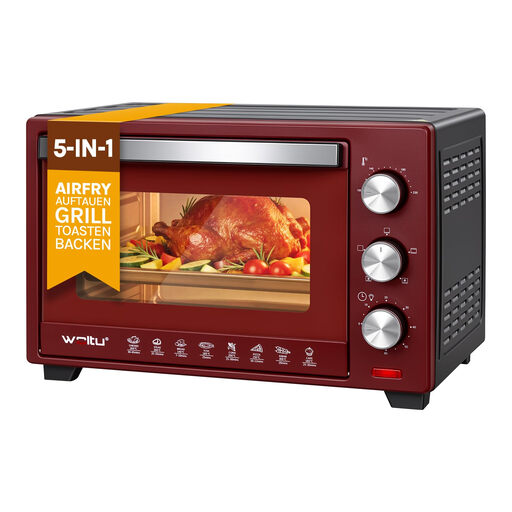
According to the manufacturer, the TO 2068 is a fan-assisted mini oven and toaster oven with the option of using a baking tray.
The BG 1550 is a larger fan-assisted mini oven, with extra room for trays and baking.
The appliances below include compact basket-style air fryers and a fan-assisted mini oven. Choose according to the basket or tray space you need and the room you have available.
 No image available
A tray-based option for parsnips and other oven dishes; the product description lists a baking tray.
The product title gives a capacity of 28 litres. According to the description, the appliance has temperature control, a 60-minute timer and a removable crumb tray.
 No image available
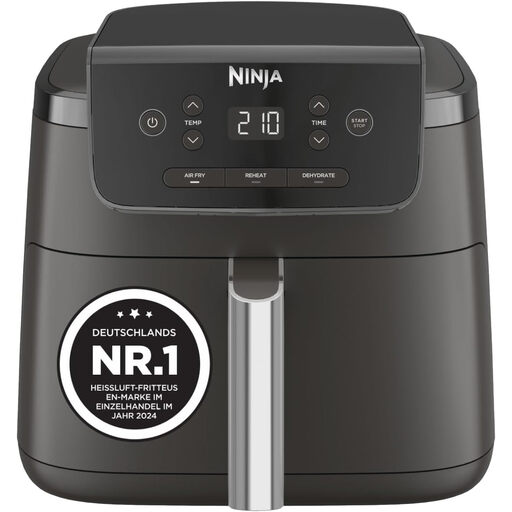
A basket-style option for small meals; the product title suggests it’s suitable for 1–2 portions.
The description lists a 4.7-litre basket and a temperature range of 30 to 210 °C.
 No image available
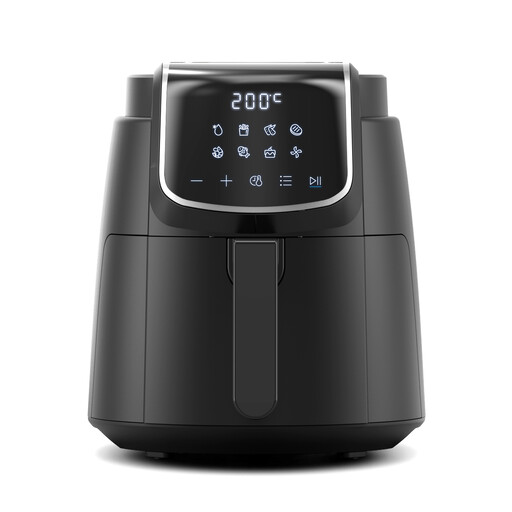
A basket-style option whose description lists a vegetable setting and a roast mode.
The description lists eight programmes, a temperature range of 35 to 200 °C and a basket for 1–4 people.
 No image available
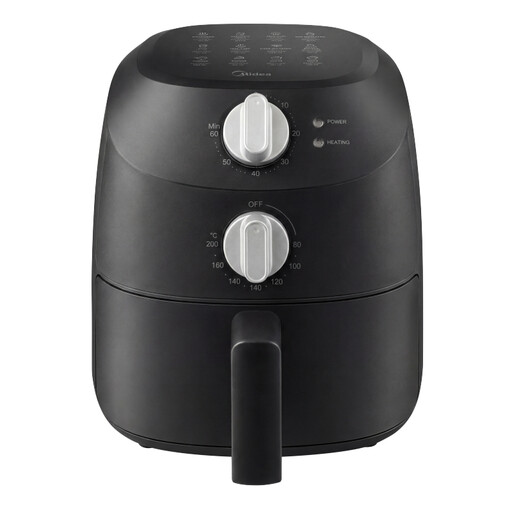
The description recommends the appliance for small portions for 1–2 people and lists roasting as one of its functions.
The product title lists 1,150 W; the description mentions a removable, coated basket.
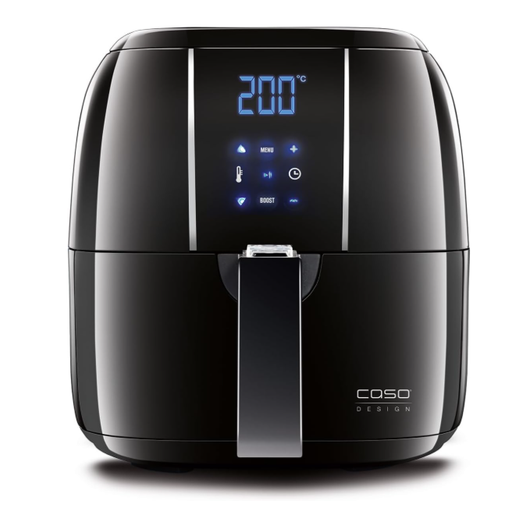 No image available
A basket-style option for roasting; the description mentions hot-air circulation.
The description lists six programmes, adjustable temperatures from 60 to 200 °C and cooking times from 1 to 60 minutes.
An EAT SMARTER parsnip recipe recommends 180 °C fan and around 30 minutes for pieces halved lengthways, spread out on a baking tray and turned occasionally. This is a recipe example for a conventional oven, not a tested setting for every mini oven or air fryer. Check the colour and how well cooked the parsnips are, adjusting for the size of your pieces.
Follow the instructions for the specific model. The SEVERIN TO 2068 manual warns that surfaces get hot and says to unplug the appliance and let it cool before cleaning. These model-specific instructions don’t replace the positioning guidance for other appliances.
No. In Germany, statutory rights relating to faulty goods are set out by law and apply against the seller; a guarantee is an additional voluntary offer with its own terms. If a product is faulty, your statutory right to have it repaired or replaced is relevant in the first instance. The Verbraucherzentrale explains the difference between statutory rights and guarantees.
Check the specific appliance for markings, identifying details and manufacturer information, as well as the required documentation and instructions and safety warnings in German. The European Commission explains that CE marking is not an independent safety approval by the EU; the Bundesnetzagentur lists markings and manufacturer information among the points to check.
In Germany, online purchases generally come with a 14-day right to cancel, starting from the day you receive the goods. You must notify the other party to the contract that you wish to cancel. Check the terms of your specific purchase; a voluntary returns policy is not the same as your statutory right to cancel.