Classic Digestive biscuits or shortbread can both work in children’s party bags, as long as the ingredients and allergen information on the specific pack are suitable for every child. If you need a gluten-free option, choose a variety that is explicitly labelled as gluten-free and check for other allergens and precautionary statements too. Classic shortbread is a different type of biscuit, not a gluten-free alternative.
Who is this choice relevant to?
Organisers checking for allergies
If you’re putting together bags for a mixed group of children, compare the ingredients and allergen information for every biscuit variety you use with the details provided by parents. Keep the packaging so the information is available when you hand out the bags.
Families with no gluten requirements
If there are no relevant allergies or gluten requirements to consider, you can choose between a classic wheat Digestive and shortbread. The main thing is deciding which type of biscuit you’d like to offer and whether the other ingredients are suitable for the group.
Hosts who need gluten-free biscuits
A Digestive variety labelled as gluten-free may meet this requirement. Even so, check the specific variety for milk and soya, as well as any warnings about egg, lupin and other allergens that may be relevant to individual children.
What should you look for when shopping?
First, check the children’s allergen requirements. Then choose the right type of biscuit and check the labelling on every variety you actually buy before filling the bags.
| What matters | What to check when buying | Who it matters to |
|---|
| Allergens in the group |
Ingredients and highlighted allergens for each variety, plus any precautionary statements relevant to individual children. |
If I’m putting together bags for children with different allergies, I need clear labelling for every variety I use. For around 42% of consumers, checking allergens is the main priority. |
| Classic Digestives |
Wheat ingredients, wholemeal content and other allergen information for the variety you choose. |
If there’s no gluten requirement, I want to choose a classic Digestive rather than shortbread. Around 33% of consumers mainly focus on this type of biscuit when making their choice. |
| Gluten-free option |
An explicit gluten-free label, plus the ingredients and precautionary statements for the specific variety. |
If a child needs gluten-free biscuits, a variety labelled as gluten-free takes priority over flavour for me. This is the main consideration for around 25% of consumers. |
What mistakes can you avoid?
-
Assuming “Digestive” means gluten-free
According to REWE, McVitie’s Digestive The Original contains wheat flour and wholemeal wheat flour. The name of the biscuit type tells you nothing about whether it is gluten-free.
If you need gluten-free biscuits, look for an explicit gluten-free label on the specific pack and check the full ingredients list.
-
Assuming gluten-free means free from all allergens
The gluten-free Schär varieties listed by REWE differ: Landtaler contains soya, while Digestive Choc contains milk and soya. Both carry warnings about possible traces of egg and lupin.
If there are known allergies, check all relevant ingredients and precautionary statements against the specific variety you’ve bought.
-
Treating shortbread as a type of Digestive
The traditional shortbread described by Walker’s contains wheat flour and butter; according to REWE, McVitie’s Digestive The Original contains wheat and wholemeal wheat flour. They’re different types of biscuit, not interchangeable names for the same recipe.
Choose deliberately between Digestives and shortbread, then check the ingredients on the pack you’ve selected.
-
Losing the allergen information when filling the bags
Once the biscuits have been transferred, it may no longer be clear which ones are in an individual party bag. If you’re using several varieties, this makes it harder to check against individual allergies.
Keep the original packaging and make a note of which variety went into each bag.
Brands to help you choose
These examples show the differences between classic Digestive biscuits, gluten-free varieties and shortbread. The ingredients and information apply to the specific variety mentioned, not necessarily to every product from that brand.
McVitie’s
Classic Digestive biscuits containing wheat, using Digestive The Original as an example.
- REWE lists wheat flour and wholemeal wheat flour in the ingredients for this variety.
- It isn’t a gluten-free option; REWE also warns that it may come into contact with milk.
Schär
Digestive varieties labelled as gluten-free, with different ingredients.
- REWE lists both Landtaler Digestive and Digestive Choc as gluten-free.
- Landtaler contains soya, while Digestive Choc contains milk and soya; both varieties may contain traces of egg and lupin.
Walker’s
Traditional shortbread as an alternative to Digestive biscuits.
- For Box Assorted Traditional Shortbreads, Walker’s lists wheat flour and butter as ingredients.
- This means the product contains wheat and milk; the manufacturer also says it may contain nuts.
Shortbread at Joybuy
These products are a selection for party bags where you’d like shortbread or biscuits described as shortbread rather than Digestives. Check the ingredients and allergen information on the specific packs before filling the bags. If you need individually wrapped portions, check the packaging format too.
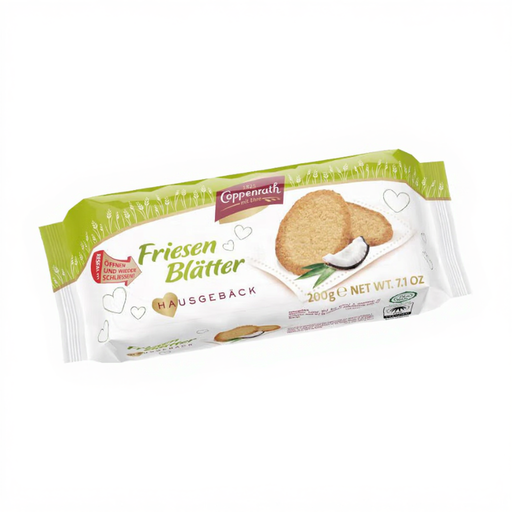 Image unavailable
Coppenrath Traditional Frisian Shortbread Sheets, 200 g
For bags where you’d like to include shortbread instead of Digestives. The pack contains 200 g. Before handing them out, check the labelling for wheat and possible traces of egg, milk and nuts, as well as the packaging format if you need individual portions.
View at Joybuy
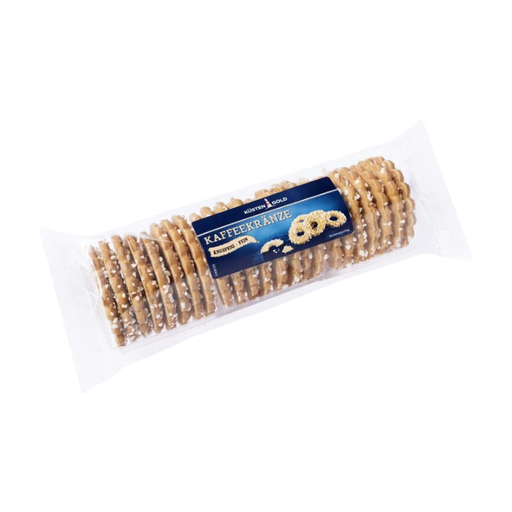 Image unavailable
Küstengold Coffee Wreath Shortbread Biscuits, 300 g
A ring-shaped shortbread option for bags where this type of biscuit is what you’re after. The pack contains 300 g. Check the labelling for gluten, egg, soya, milk and possible traces of nuts against the children’s requirements. If needed, check whether the biscuits are individually wrapped.
View at Joybuy
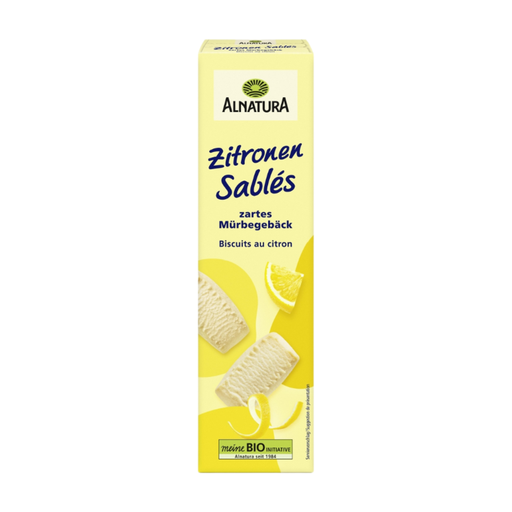 Image unavailable
Alnatura Organic Lemon Sablés Shortbread Biscuits
For a party bag with lemon shortbread biscuits instead of Digestives. Check the pack for wheat and possible traces of egg, milk and nuts. If each bag needs to contain a ready-wrapped portion, check the packaging format too.
View at Joybuy
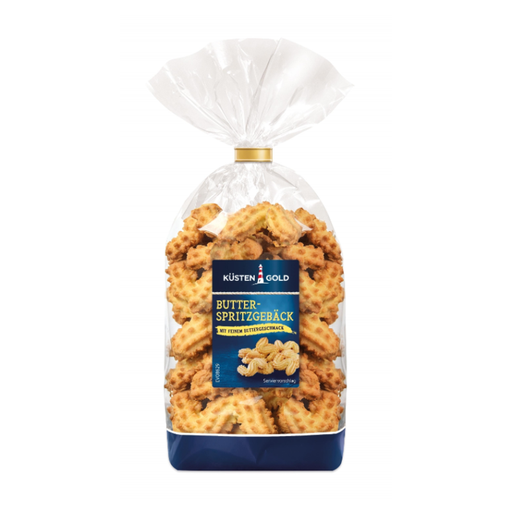 Image unavailable
Küstengold Butter Shortbread Biscuits, 200 g
For party bags with butter shortbread instead of Digestives. The pack contains 200 g. Check the labelling for gluten, milk and egg, as well as possible traces of nuts and soya. If needed, check whether the biscuits are individually wrapped.
View at Joybuy
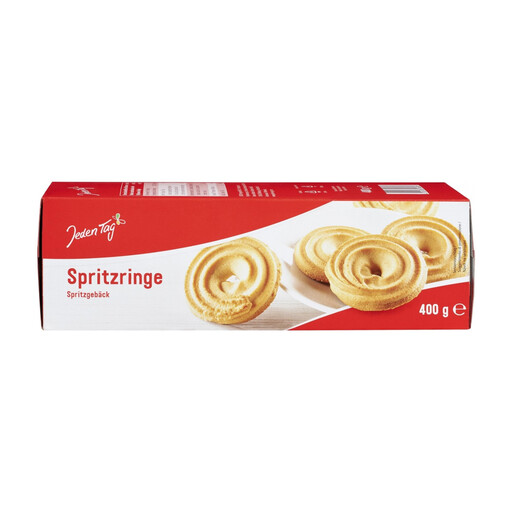 Image unavailable
Jeden Tag shortbread rings, 400 g
For bags where you’d like to offer ring-shaped piped biscuits instead of Digestives. The pack contains 400 g. Check the ingredients list for wheat and egg, and compare the information about milk and nuts with the specific pack. Also check whether individual portions are wrapped.
View at Joybuy
Frequently asked questions
Are classic Digestive biscuits suitable for a gluten-free party bag?
Not just because they’re called “Digestives”: according to REWE, McVitie’s Digestive The Original contains wheat flour and wholemeal wheat flour, so it isn’t a gluten-free option. If you need gluten-free biscuits, choose a variety explicitly labelled as gluten-free and check its other ingredients.
Can all children eat Digestive biscuits labelled as gluten-free?
A gluten-free label doesn’t answer every question about allergens. REWE lists soya and possible traces of lupin and egg for Schär Landtaler; Schär Digestive Choc is listed as containing milk and soya, with possible traces of egg and lupin. The individual requirements and the labelling on the variety you’ve bought are what matter.
How can I keep allergen information handy when filling party bags myself?
Keep the original packaging and make a note of which biscuit variety is in each bag. The Federal Ministry of Agriculture, Food and Home Affairs explains the requirement to declare the most common allergens in food; for your choice, the ingredients and allergen information on the packs you use are the key source.


