
Lieferung heute & morgen

Qualitätsgarantie

Willkommens-Angebote freischalten: KOSTENLOSE Lieferung | Bis zu 80 % RABATT | Kostenlose 30-Tage-JoyPlus-Testphase
App herunterladen
Planning a party or game night is on the agenda, and the crucial question arises: Which game will create the right atmosphere? The market for party games is vast, and the packaging often promises more than the games deliver. As a Joybuy Product Recommendation Officer, I see daily how clever marketing leads shoppers to unsuitable products. Before you make a decision, you should know the most common pitfalls.
To avoid these problems, it's important to focus on the fundamental parameters that define a good party game.
Instead of being swayed by flashy packaging, you should examine three core aspects to find the right game for your game night ideas.
The specified player count is just a guideline. What's crucial is the optimal player count, where the game mechanics work best. A deduction game like "The Werewolves of Miller's Hollow" only reaches its full potential in a larger group, while strategic board games for adults are often most balanced in rounds of three to four people. Ask yourself: How large is my group usually? A game that scales well offers a solid experience with both few and many participants.
Fun group games thrive on interaction. Consider what kind of dynamic you want:
The mechanics determine whether a game is more strategic, luck-based, or humorous.
The age rating (ESRB/PEGI) is a starting point, but the theme is just as important. A game might be rated for children but be thematically inappropriate or too simple for an adults-only group. Conversely, games with dark humour or suggestive questions can create awkward moments in a mixed group or during family games. Therefore, always check if the game's theme and humour are a good fit for your guests.
Here are some recommendations tailored to different groups and occasions that specifically avoid the pitfalls mentioned.

Why This Fits Their Persona: Ideal for groups where not everyone knows each other well. The humorous questions casually spark conversations and help people learn more about one another without requiring strategic thinking.
This game bypasses the "Wrong Complexity" trap. The rules are explained in a minute: read a question, vote, count points. No lengthy rule-reading that dampens the mood.
You can start playing immediately, and interaction is front and centre. The included score trackers keep the game clear and encourage friendly competition.
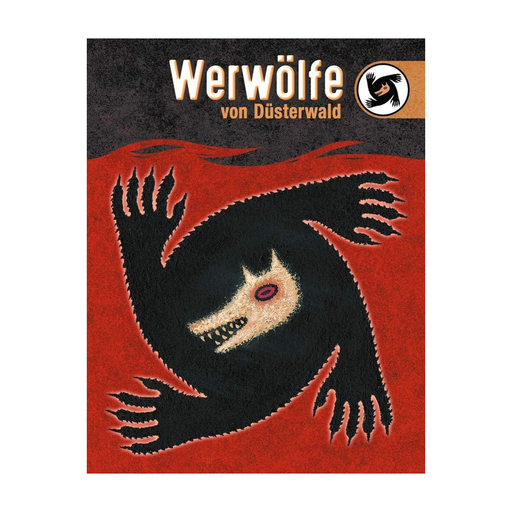
Why This Fits Their Persona: Perfect for hosts who regularly look for games for large groups. The game thrives on discussion, bluffing, and strategic cooperation, making it an intense social experience.
This game debunks the "one-size-fits-all" myth by being explicitly designed for 8 to 18 players. It scales up excellently and becomes even more exciting with more players, rather than unplayable.
Promotes social deduction and strategic discussions. The secret roles and different abilities ensure high replayability, as every round unfolds differently.
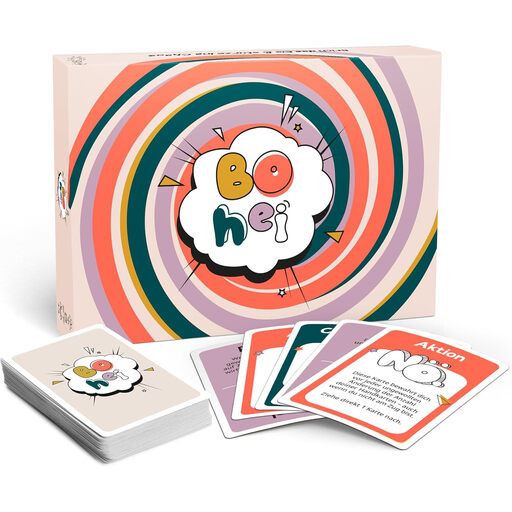
Why This Fits Their Persona: For groups that care less about winning and tactics and just want to laugh. The unpredictable events and constantly changing rules create pure chaos and hilarity.
It avoids the "limited replayability" trap. Since the game's concept is based on chaos and unpredictable card combinations, no two rounds are the same. The fun comes from the situation, not from solving a fixed puzzle.
Three different card types (Actions, Challenges, Rules) create high-energy dynamics. The game is compact, making it ideal to take along on trips or to a friend's house.
We have compiled a complete, up-to-date list of products that fully meet these strict selection criteria and all relevant safety standards.
Game length varies greatly. Many party card games are designed for short rounds of 15 to 30 minutes, allowing for flexibility. Deduction or strategy games like "The Werewolves of Miller's Hollow" can last about 30 minutes per round but are often played multiple times in a row. Check the manufacturer's estimated playtime on the box for a rough guide.
Good party games for adults are often distinguished by one of three qualities: strategic depth that encourages thought, dark humour or provocative themes that act as conversation starters, or mechanics that promote social interaction and bluffing. The key is that the game suits the specific group and has rules that are quick to grasp so as not to interrupt the flow of the game.
It really depends on the game. Some games designed for large groups lose their appeal with fewer players, as certain roles or dynamics are lost. Others, however, work well in a smaller setup but offer a different experience—often more strategic and less chaotic. Before buying, check if the game is explicitly recommended for small groups or if it includes variants for fewer players.