
Lieferung heute & morgen

Qualitätsgarantie

Willkommens-Angebote freischalten: KOSTENLOSE Lieferung | Bis zu 80 % RABATT | Kostenlose 30-Tage-JoyPlus-Testphase
App herunterladen
Organising a party, a picnic, or a child's birthday involves many decisions. One of these is choosing the right party tableware. The market offers a wealth of options, but not all of them deliver on their promises. Vague product descriptions or exaggerated marketing claims often lead to disappointment: plates that give way under the weight of food, or products advertised as "sustainable" that turn out to be a sham.
This guide will help you understand the key criteria for making an informed decision. We'll show you what to look for to find practical and occasion-appropriate tableware without falling for empty promises.
Before choosing a product, it's helpful to know the typical problems that can arise with low-quality party tableware.
To avoid the problems mentioned above, you should check three key aspects before buying: the material, the stability, and the intended use.
The choice of material is crucial for both functionality and sustainability.
paper plates and cups. Pay attention to the material thickness and any coating. A PE (polyethylene) coating makes the tableware water-resistant but usually prevents it from being compostable. Uncoated paperboard is more environmentally friendly but is only suitable for dry foods.Sustainable tableware made from sugarcane (bagasse), palm leaf, or bamboo is gaining popularity. These materials are often sturdier and more heat-resistant than simple paperboard. Products made from sugarcane, for example, are often microwave-safe and biodegradable.picnic set made of melamine is a durable alternative. It is shatterproof, dishwasher-safe, and eliminates waste.A good plate must be able to hold its own against the food. Look for information on material thickness or notes like "extra sturdy." For barbecues or buffets with hot food, you need tableware that is heat-resistant. Products made from sugarcane or melamine are often a good choice here. For cold drinks and snacks, however, simple disposable tableware is often sufficient.
The occasion determines not only the material but also the design. For a kids' birthday party, colourful plates and cups with fun motifs are a popular choice for kids' party decorations. For a garden party, you might prefer something simpler and more elegant. Don't forget accessories like disposable cutlery and paper napkins to create a cohesive look.
To make your choice easier, we have put together a few products based on different requirements and user profiles.

Why This Fits Their Persona: Ideal for those who regularly entertain guests and are looking for a durable, stylish, and practical solution. This set is perfect for garden parties or as a picnic set, completely replacing single-use products.
As a reusable product made from robust melamine, it bypasses the problems of poor stability and waste associated with disposable tableware. The investment pays off with frequent use.
Shatterproof, lightweight, and dishwasher-safe for effortless cleaning. The timeless design suits many occasions.
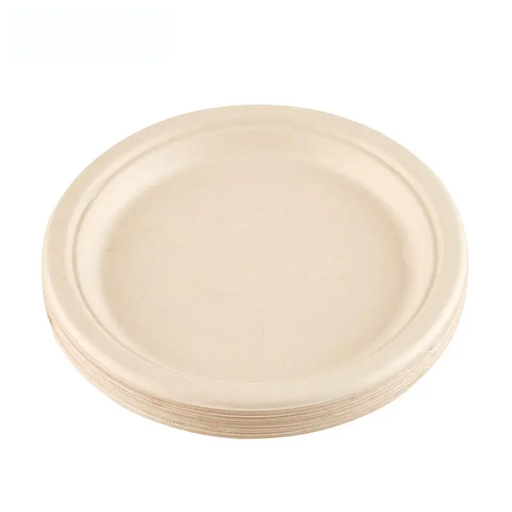
Why This Fits Their Persona: For hosts who value sustainability but don't want to sacrifice the convenience of disposable tableware. Ideal for parties and picnics with an eco-conscious focus.
The product is made from sugarcane pulp, a by-product of sugar production. It is a transparent, sustainable alternative and avoids the pitfall of greenwashing.
Biodegradable, microwave-safe, and both water- and oil-resistant. The plates are sturdy enough for a wide variety of dishes.
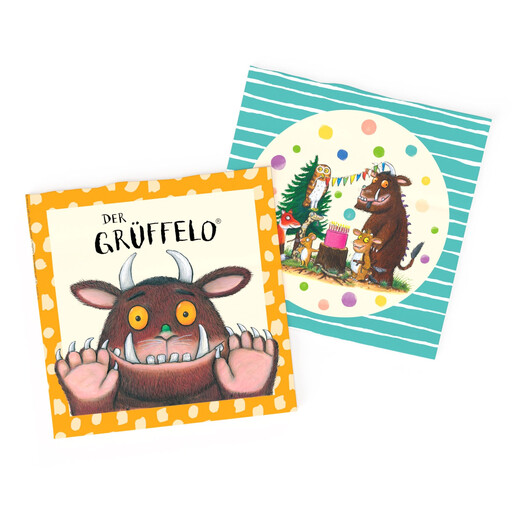
Why This Fits Their Persona: For parents planning an unforgettable themed party. These napkins are a key element of the party decorations and will make the little guests' eyes light up.
This product focuses on a clear value proposition: the popular design. It makes no exaggerated promises but fulfils its purpose as a decorative and functional party accessory.
The 3-ply paper offers good absorbency for sticky hands after eating cake. According to the manufacturer, the material is 100% recyclable.
Whether it's plates, cups, or cutlery – the right equipment makes any celebration easier. Discover a wide selection of practical solutions for every occasion.
Can you use paper plates in the microwave? As a rule, this is not recommended. Many paper plates, especially those with a plastic (PE) coating, are not suitable for the microwave as the coating can melt or release chemicals. Always check the manufacturer's instructions on the packaging. Products made from sugarcane are often a microwave-safe alternative.
What is the difference between "biodegradable" and "home compostable"? "Biodegradable" simply means that a material can be broken down by microorganisms, but often only under the specific conditions of an industrial facility (high temperatures). "Home compostable," on the other hand, means that the product will also rot in a garden compost heap under normal conditions. Look for the relevant certifications if this aspect is important to you.
How do I correctly dispose of disposable tableware made from sugarcane or bamboo? Unless the products are certified as "home compostable," they generally belong in the general waste. Food scraps should be removed beforehand. Disposal in the organic waste bin is usually not an option, as the decomposition time in municipal facilities is often too long. When in doubt, check with your local waste disposal company.