
Lieferung heute & morgen

Qualitätsgarantie

Willkommens-Angebote freischalten: KOSTENLOSE Lieferung | Bis zu 80 % RABATT | Kostenlose 30-Tage-JoyPlus-Testphase
App herunterladen
A passion fruit drink can vary considerably depending on its recipe, from a fruity juice drink to a thicker nectar or a sugar-free drink syrup. If you only look at the label or the price per unit, it’s easy to miss important details. A low fruit content, oversized packs for a one-person household or unclear mixing instructions can all lead to a disappointing purchase.
Seeing “passion fruit”, “maracuja” or “tropical” on the front doesn’t automatically mean the drink has a high fruit juice or purée content. Check the ingredients list to see whether it’s a fruit-forward drink, a nectar or a flavoured soft drink.
For comparison, the products featured here range from 1% passion fruit juice in BEST BODY NUTRITION Vital Drink to 25% passion fruit juice in FOCO Mango & Passion Fruit Drink. These products serve different purposes, so you shouldn’t compare them by product name alone.
Nutritional values are usually given per 100 ml. With a 500 ml bottle or a large glass, the amount you actually drink can be considerably higher. According to the product information, MAAZA Passion Fruit Drink 500 ml contains 17% passion fruit juice as well as sugar. Its stated energy value is 52 kcal per 100 ml.
With a sugar-free drink syrup, how you prepare it matters too. You dilute the syrup with water rather than drinking it neat. For a realistic comparison of cost and calories, look at the amount of ready-to-drink beverage it makes.
A multipack of fruit drinks can be handy for families, parties or business use. A case of 24, however, may be too much for a small household. Follow the packaging instructions for opened drinks, too: several products need to be refrigerated and used promptly once opened.
First, decide whether you’re looking for passion fruit juice, a nectar or a soft drink. A nectar may have a thicker consistency, depending on its recipe. A classic maracuja drink is often ready to drink and intended to be enjoyed as it is. With syrup, you’ll also need to consider the dilution ratio.
Check the:
Small individual packs, such as 250 ml or 350 ml, are handy for taking with you. A 1-litre carton is a practical choice for the fridge and regular serving. A multipack of 24 bottles can make it easier to stock up, but will take up more space.
If a product has a deposit or comes in single-use packaging, check the details in the listing and on the label. This is particularly important with imported drinks and different pack sizes.
Concentrated syrup needs to be measured according to the instructions. BEST BODY NUTRITION Vital Drink ZEROP, for example, has a stated mixing ratio of 1:80. The manufacturer also says it can be used with water from a sparkling water maker. Don’t drink the concentrate undiluted. Once opened, keep it refrigerated and use it within the stated period.
Store ready-to-drink products according to the packaging instructions before opening. Fruit drinks containing purée or pieces of fruit may need a gentle shake.
The selection below groups products by typical use. Information about ingredients, fruit content, nutritional values and packaging is based on the respective product descriptions. Check the current packaging again before buying.
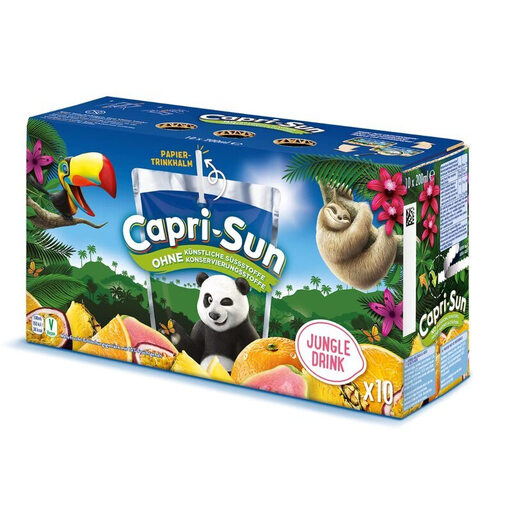
Why this product suits this profile: The pack of ten 200 ml portions is ideal for families, day trips and the occasional children’s birthday party. The drink combines guava, pineapple, passion fruit, orange and lemon.
The portion size makes it easier to keep track of how much you’re using. The ingredients list names the fruit components and gives the sugar content as 7.9 g per 100 g.
10 x 0,2 l, several types of fruit and, according to the product description, no preservatives, colourings or artificial sweeteners.
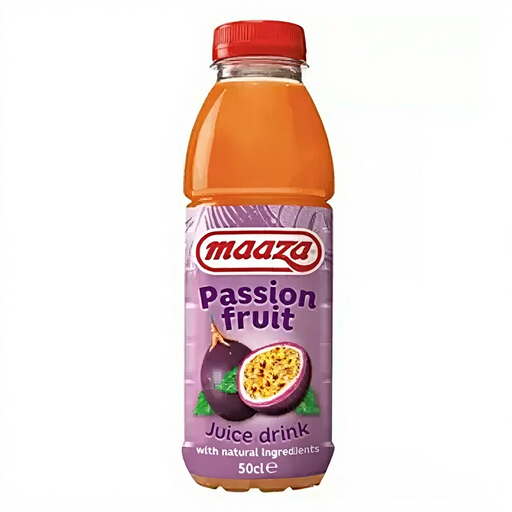
Why this product suits this profile: The 500 ml bottle is ideal for enjoying chilled on its own or using in a tropical fruit drink. According to the product description, it contains 17% passion fruit juice.
The stated juice content makes it easier to compare with products that simply promote an exotic flavour.
500 ml bottle, 17% passion fruit juice according to the product information and a ready-to-drink recipe.
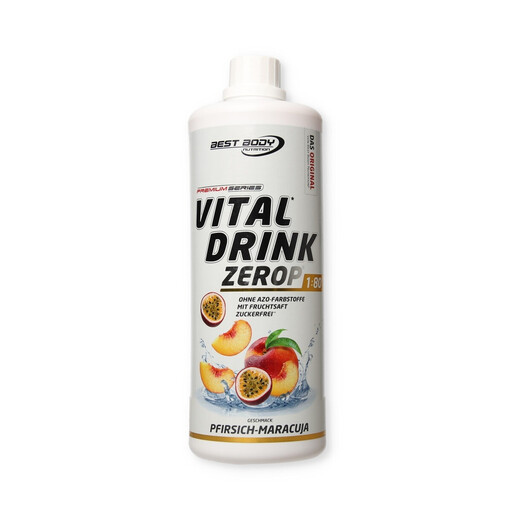
Why this product suits this profile: This concentrate is designed for frequent drinkers who want to make drinks to their own taste with still or sparkling water.
The clear 1:80 mixing ratio means the yield isn’t promoted solely on the basis of a large bottle size. The syrup must not be drunk undiluted.
1-litre concentrate, described as sugar-free in the product information and intended for making large quantities of drinks.
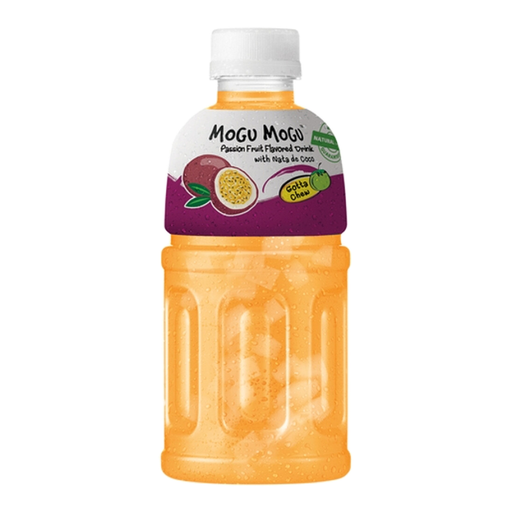
Why this product suits this profile: The case of 24 is made for stocking up, parties or regular consumption. The pieces of nata de coco give the drink an unusual, chewy texture.
The product description gives both the pack size and the 15% nata de coco content, so you know what to expect from its unusual texture before buying.
24 x 320 ml, 15% nata de coco according to the product information and a passion fruit flavour.
We’ve put together a complete, regularly updated list of products that meet these strict selection criteria and fully comply with the safety regulations in force in the EU.
In German, passion fruit and maracuja are often used for related tropical fruits. But the name isn’t the only thing that matters: check the actual fruit content in the ingredients list. An exotic fruit juice or nectar can therefore differ considerably from a flavoured drink in sweetness, acidity and consistency.
It depends on the product and its packaging. According to the manufacturer’s instructions, opened bottles and cartons usually need to be refrigerated and used promptly. Concentrates have their own time limits. For example, the syrup mentioned above should be used “within eight weeks”. Always follow the label on the product you’ve bought.
No. “Sugar-free” describes the recipe; it doesn’t automatically mean the product is completely calorie-free. Sweeteners, fruit juice content and how much you use can all affect its nutritional value. Compare the figures per prepared serving and follow the stated mixing ratio.