
Lieferung heute & morgen

Qualitätsgarantie

Willkommens-Angebote freischalten: KOSTENLOSE Lieferung | Bis zu 80 % RABATT | Kostenlose 30-Tage-JoyPlus-Testphase
App herunterladen
Passion fruit products bring a tangy, fruity flavour to everyday life – from breakfast smoothies to cocktail evenings. The terms “maracuja” and “passion fruit” are often used similarly in shops, although products can differ considerably in fruit content, sugar levels, storage requirements and preparation.
If you buy based solely on eye-catching packaging or the word “tropical”, you may end up paying for flavourings, sugar or impractical packaging. The following criteria make it easier to narrow down your choice for the home, parties, sport or catering.
An intense flavour can come from flavourings, sugar and acidifying agents. So check the ingredients list and the percentage of passion fruit or maracuja juice. A fruit drink containing 1% passion fruit juice concentrate should be assessed differently from pure fruit pulp or juice with a higher fruit content.
Sugar-free maracuja drinks often contain sweeteners instead of sugar. Classic drinks, syrups and fruit sparkling wines, on the other hand, may contain considerable amounts of sugar. The key figures are the nutritional values per 100 ml, not just the serving information. With syrup, you also need to consider how much it is diluted.
Frozen passion fruit and passion fruit pulp are convenient, but they must be kept at –18 °C or colder at all times. Once thawed, they should not be refrozen. For smaller households, a 200 g pack may be more practical than a bulk pack, while catering and event buyers can plan larger quantities based on actual consumption.
Pure passion fruit pulp without added ingredients is a versatile base for smoothies, desserts and cocktails. With drinks, you should distinguish between juice, nectar, soft drinks, iced tea and syrup:
For occasional cocktails, a small bottle of syrup or a pouch of fruit purée is sufficient. Families, offices and event organisers are more likely to benefit from multipacks. With drinks, also consider bottle size, deposit, refrigeration requirements and shelf life after opening.
Frozen products should be placed in the freezer immediately after delivery. Mochi ice cream and other passion fruit dessert products may contain allergens such as cashews or soya. For alcoholic products such as a passion fruit cocktail, Pornstar Martini or fruit sparkling wine, check the alcohol content, drink responsibly and observe the applicable legal age requirements.
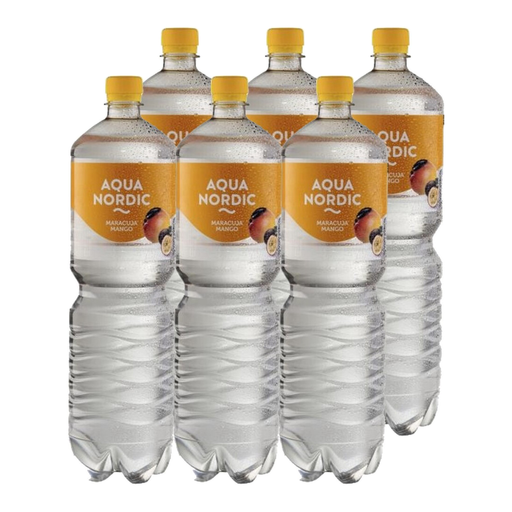
Why this product suits the profile: The multipack contains six 1.5-litre bottles, making it suitable for stocking up at home, family meals or gatherings with several people. It provides 17 kcal and 4 g of sugar per 100 ml.
The nutritional information clearly shows the sugar content per 100 ml, preventing it from being mistaken for a sugar-free drink.
6 x 1.5 l; long-life soft drink; mango and passion fruit flavour.
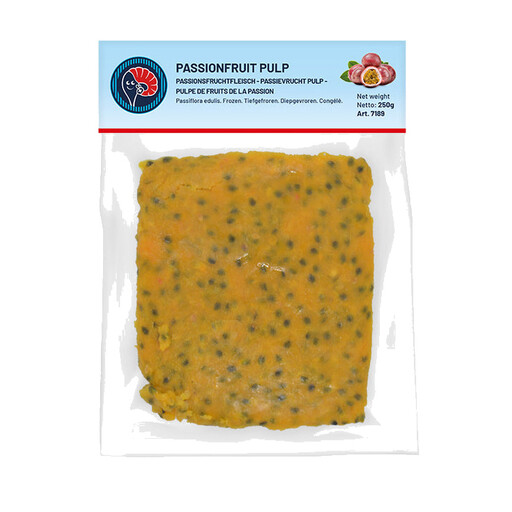
Why this product suits the profile: According to the product information, the cubes consist of 100% passion fruit pulp and can be portioned for smoothies, desserts, sauces and cocktails.
The ingredients list shows no added flavourings or sweeteners. Frozen storage at –18 °C is clearly specified.
100% pulp; 200 g pack; ready to use in chilled and frozen preparations.
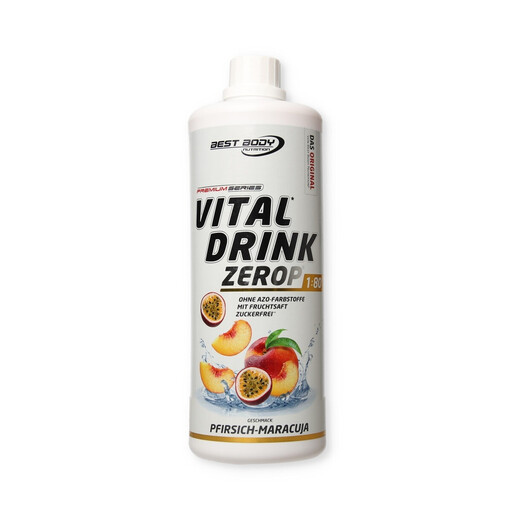
Why this product suits the profile: The concentrate is mixed at a ratio of 1:80 and is designed for households, training sessions or use with a sparkling water maker.
The recommended dilution prevents the concentrate from being consumed undiluted or calculated incorrectly. Once opened, it should be refrigerated and used within eight weeks.
1-litre bottle; sugar-free according to the product information; makes up to 80 litres of finished drink when dosed correctly.
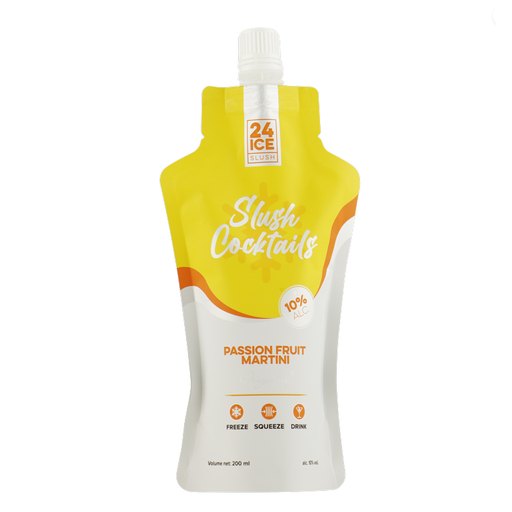
Why this product suits the profile: The pre-portioned slush cocktail is ideal for occasions when you want to serve a passion fruit cocktail base without mixing it yourself.
The alcohol content of 10% vol. and serving size are clearly stated. This makes it easier to plan quantities for a party.
Ready-to-drink recipe; 200 ml pouch; frozen slush preparation with passion fruit and lemon notes.
We have put together a complete, regularly updated list of products that fully meet these strict selection criteria and the safety regulations applicable in the EU.
Depending on the occasion, passion fruit mochi, Aranca apricot and passion fruit dessert powder, Pfanner Mango Passionfruit iced tea or INSTICK mango and maracuja powder may also be worth considering. For drinks with reduced sugar content, check the information provided by the relevant manufacturer. Passion fruit food supplements such as electrolyte or BCAA powder do not automatically belong to the same product category as food. Dosage, age restrictions and warning information require particular attention in these cases.
In German shops, both names are sometimes used for similar products. “Passion fruit” usually refers to the fruit of the Passiflora edulis species. “Maracuja” is often used as a commercial term for juice, drinks or mixed products. The ingredients list, fruit content and product name on the packaging are the most reliable references.
This depends on the product. Unopened, long-life drinks can generally be stored at room temperature. Once opened, they should be refrigerated and consumed promptly according to the packaging instructions. Some products, for example, specify three days, while concentrates may state eight weeks.
Frozen pulp should be stored at –18 °C or colder. Once thawed, it must not be refrozen. For cocktails or desserts, individual cubes can be portioned directly, provided the product information allows for this use.