
Lieferung heute & morgen

Qualitätsgarantie

Willkommens-Angebote freischalten: KOSTENLOSE Lieferung | Bis zu 80 % RABATT | Kostenlose 30-Tage-JoyPlus-Testphase
App herunterladen
By a Joybuy Product Recommendation Officer, August 29, 2026
For many, preparing pasta is a cherished ritual. But that joy can quickly be spoiled when your tools don't cooperate. A pasta spoon that can't grip noodles, or a colander that tips over in the sink—these frustrations are often the result of ill-considered purchases driven by clever marketing. Before you invest in new pasta accessories, it's helpful to know the common pitfalls that only become apparent with use.
Two widespread problems frequently lead to disappointment:
A discerning eye for material and construction can prevent these bad buys and ensure your new pasta accessories perform their job reliably.
To separate the wheat from the chaff, you should check two or three core parameters. These objective criteria are more important than any advertising message and determine the real-world performance and longevity of your kitchen tools.
The material is the foundation of function and durability. Each has specific advantages and disadvantages relevant to different uses.
Good design proves itself in daily use. Look for thoughtful details that make handling easier.
Based on these objective criteria, we have selected a few products from our range that are suitable for different user profiles.
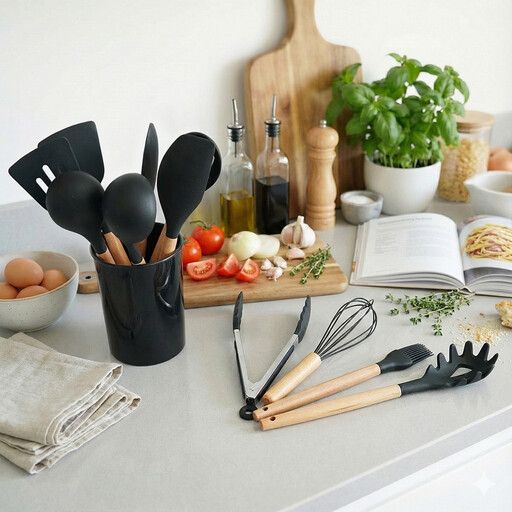
Why It's a Match: This pasta utensil set provides a comprehensive starter kit for anyone setting up a new kitchen or replacing old utensils without a large budget. It includes a pasta spoon and many other useful tools.
The silicone heads are heat-resistant and protect non-stick pots and pans from scratches—a common problem with metal utensils. They bypass the trap of melting plastic and damaged cookware.
A comprehensive set for a wide range of cooking applications. The combination of wooden handles and silicone offers a pleasant feel and protects cookware.
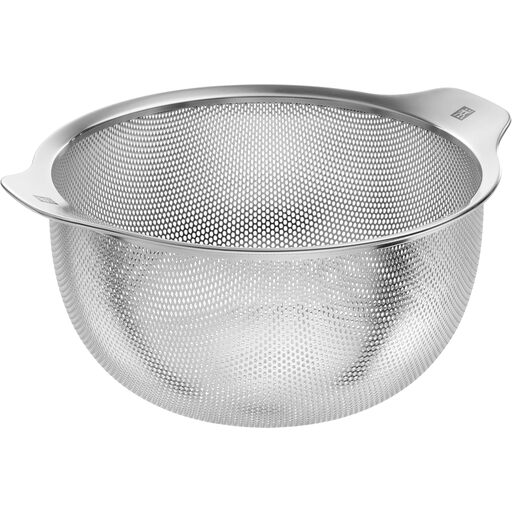
Why It's a Match: For cooks who value durability, hygiene, and flawless function. This colander is a one-time purchase that will serve reliably for years to come.
Crafted from 18/10 stainless steel, it is completely rust-proof and warp-resistant. The wide, elevated base prevents it from tipping and ensures the pasta doesn't sit in the drained water.
Extreme durability and stability. The rapid drainage from the well-designed perforations prevents mushy pasta. It is also dishwasher-safe.
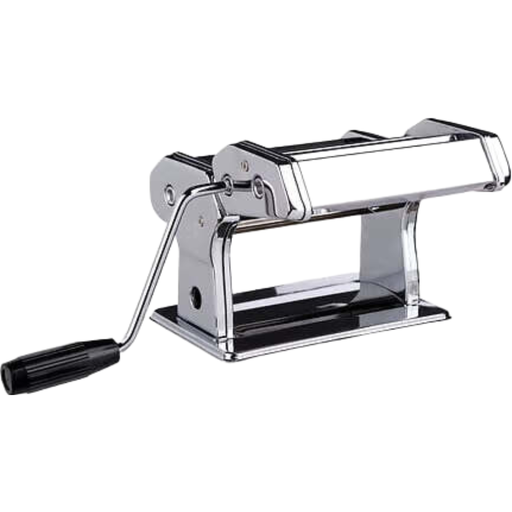
Why It's a Match: For anyone ready to take the next step and discover the art of making homemade pasta. This set provides the tools to create various types of noodles.
Instead of relying on cheap plastic models, this pasta machine is made of steel and stainless steel. This provides the necessary stability and precision for rolling out dough, avoiding the frustration of uneven results.
The 3-piece set includes attachments for tagliatelle, spaghetti, and ravioli, providing a versatile foundation for making a wide range of fresh pasta dishes.
We have compiled a complete, up-to-date list of products that fully meet these strict selection criteria and German safety regulations.
1. What is the best material for a pasta spoon? The choice depends on your cookware. For non-stick pots, a pasta spoon made of silicone or nylon is ideal as it won't scratch the surface. Silicone is often more heat-resistant. For uncoated stainless steel pots, a stainless steel spoon is a very durable and hygienic option.
2. Can I use a regular kitchen sieve as a colander for pasta? Generally, yes, but a dedicated colander offers advantages. It usually has a larger volume, a more stable base, and larger holes for rapid water drainage, which prevents the pasta from overcooking and becoming mushy. A fine kitchen sieve is better suited for straining sauces or sifting flour.
3. How do I clean a pasta machine correctly? A pasta machine should never be cleaned with water, as this can cause rust. After use, let any dough remnants dry on the machine and then brush them off with a pastry brush or a dry cloth. Stubborn residue can be carefully removed with a wooden skewer.