
Lieferung heute & morgen

Qualitätsgarantie

Willkommens-Angebote freischalten: KOSTENLOSE Lieferung | Bis zu 80 % RABATT | Kostenlose 30-Tage-JoyPlus-Testphase
App herunterladen
Making pasta seems straightforward, yet selecting the right tools and ingredients can quickly become a challenge. Many products overpromise and underdeliver, leading to unnecessary expenses and frustration in the kitchen. A spaghetti spoon that bends after just a few uses or a pasta sauce that's mostly sugar are common annoyances. This guide will help you identify these pitfalls and make informed decisions, whether you're preparing a quick weeknight dinner, cooking pasta for your family, or venturing into making your own dough.
Before you invest, it's wise to know the typical flaws that often only become apparent after the purchase.
organic baby food pasta, where a close inspection of the nutritional values is essential.make pasta from scratch needs a reliable stand mixer. Models with weak motors or poor stability quickly overheat when processing firm pasta dough or move uncontrollably on the countertop, complicating preparation and shortening the appliance's lifespan.To avoid poor purchases, focus on objective and verifiable features. These three criteria provide a solid foundation for your buying decision.
The right material is crucial for durability and safety.
colander or spaghetti spoon, look for the 304 stainless steel designation. This material is food-safe, corrosion-resistant, and robust enough to maintain its shape even with daily use. Cheaper alternatives are prone to rust and can bend easily.When you buy pasta sauce, the ingredient list reveals the true quality.
organic baby food pasta, the salt content should be as low as possible to avoid straining their kidneys.For making your own stand mixer pasta dough, motor power and stability are key.
Here are some product suggestions tailored to specific needs and based on the criteria mentioned above.
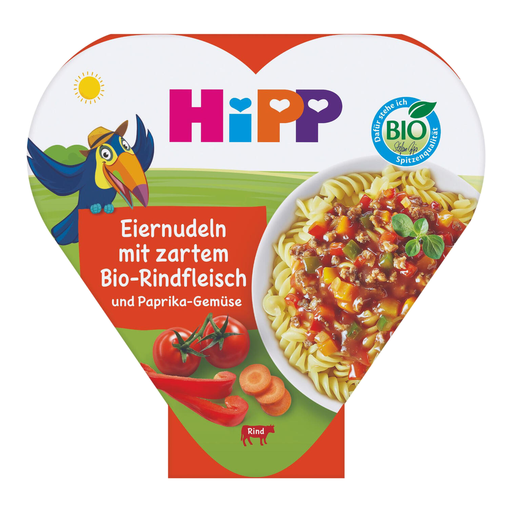
Why it's a great fit: Perfect for parents looking for a quick, yet wholesome and organic meal for their toddlers. The composition is tailored to the nutritional needs of children from 12 months onwards.
This meal sidesteps the trap of unhealthy ready-made meals with a low-salt recipe and the use of organic ingredients, with no added artificial flavors.
A complete, balanced meal in organic quality, prepared by gently steam-cooking the ingredients and ready to serve in minutes.

Why it's a great fit: For anyone ready to take the leap into homemade pasta. This machine provides the necessary power and capacity to knead pasta dough effortlessly.
It avoids the frustration of underpowered appliances. The 450W DC motor and stable construction with suction-cup feet can handle even firm dough without overheating or sliding.
The combination of a powerful, quiet DC motor, a 6-liter stainless steel bowl, and 6 speed settings offers flexibility and reliability for a variety of baking and cooking needs.
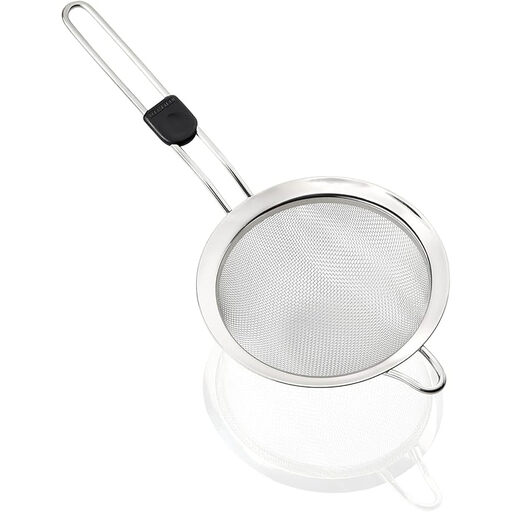
Why it's a great fit: A solid, essential piece of equipment for any kitchen. This sieve is designed for anyone seeking a durable and functional tool for everyday `pasta cooking` and baking.
It avoids the trap of cheap accessories that rust or bend. Made from high-quality, rustproof stainless steel, it ensures a long lifespan and hygienic use.
The robust stainless steel construction, combined with an ergonomic handle featuring a thumb rest, ensures comfortable and secure handling. The sieve is also dishwasher-safe.
We have compiled a complete, up-to-date list of products that fully meet these strict selection criteria and safety regulations.
1. How can I identify high-quality stainless steel pasta accessories? Look for the material designation 304 stainless steel (also known as 18/8 or 18/10 stainless steel). This material has a high chromium and nickel content, making it highly resistant to rust and acids. Another indicator is weight: high-quality tools often feel more solid and heavier than their lower-quality counterparts.
2. How much salt should you use when cooking pasta? A common rule of thumb is to use about 10 grams of salt per 100 grams of dry pasta and per 1 liter of water. The water should taste slightly salty, like seawater. The salt is added to the boiling water before the pasta goes in, as this enhances the pasta's flavor from the inside out.
3. Are ready-made pasta meals for babies really suitable? Yes, as long as they are specifically designed for babies and toddlers. Products like those from HiPP are tailored to the nutritional needs of infants. This means they are low in salt, contain no added sugars (only the sugar naturally present in the ingredients), are made from organic ingredients, and have an age-appropriate texture. Always check the label for the age recommendation and the ingredient list.