
Lieferung heute & morgen

Qualitätsgarantie

Willkommens-Angebote freischalten: KOSTENLOSE Lieferung | Bis zu 80 % RABATT | Kostenlose 30-Tage-JoyPlus-Testphase
App herunterladen
By Joybuy Product Recommendation Officer, August 30, 2026
Ordering pasta online is a convenient way to stock your pantry, but the sheer variety can be overwhelming. Between marketing promises and vague product descriptions, finding the right type of pasta for your planned dish isn't always easy. Many buyers only realise after cooking that the texture is wrong or the quality doesn't justify the price.
This guide will help you avoid common pitfalls and make an informed decision the next time you buy pasta.
The online selection is vast, but not every product lives up to its claims. Watch out for these three common issues to avoid buyer's remorse:
To find the right pasta for your needs, focus on two key features: the raw ingredients and the nutritional information.
The foundation of any pasta determines its cooking properties and texture.
A quick look at the back of the package provides valuable information.
Instead of making a blanket recommendation, we've matched products to different cooking styles and preferences.
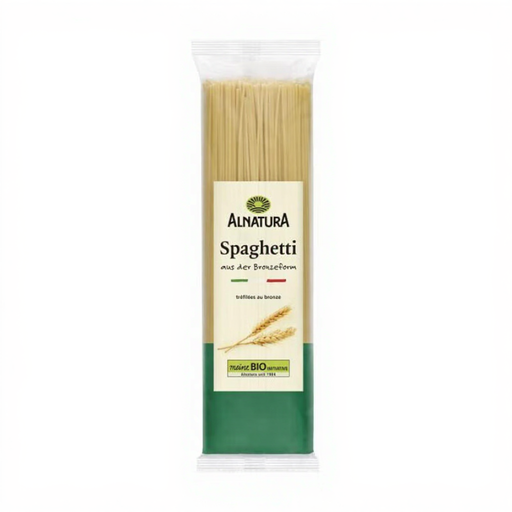
Why it's a great fit: Perfect for anyone who values authentic Italian pasta quality. These spaghetti are made in Italy from 100% organic durum wheat semolina and are pressed through bronze dies, giving them the perfect rough texture to hold any kind of sauce.
The product provides concrete quality markers: Italian origin, organic certification, and the bronze-die cut method. This goes beyond vague "traditional" promises.
Excellent sauce adhesion due to the rough surface and reliable organic quality.
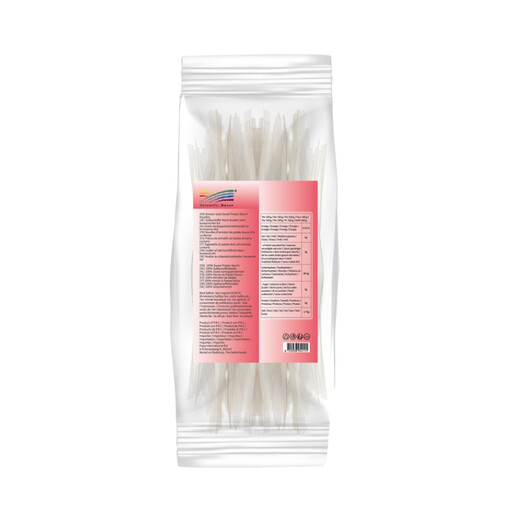
Why it's a great fit: These glass noodles, made from 100% sweet potato starch, are the authentic base for the Korean dish Japchae. Their springy, chewy texture makes them a versatile ingredient for stir-fries and soups. They are also naturally gluten-free.
The ingredient list is maximally transparent: 100% sweet potato starch. This avoids the pitfall of unclear compositions in specialty noodles and guarantees an authentic product.
Authentic, chewy and elastic texture typical of Korean dishes; naturally gluten-free noodles.
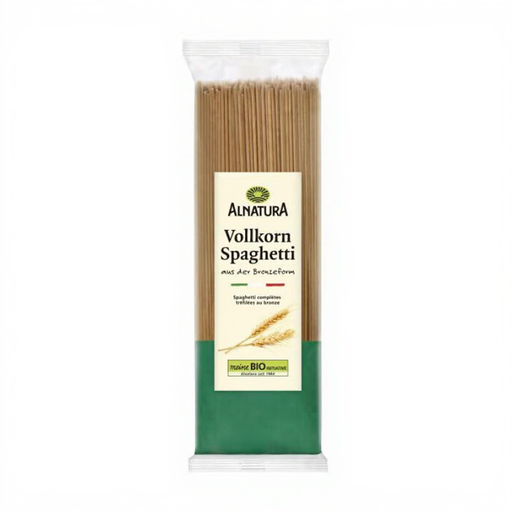
Why it's a great fit: For anyone looking for a higher-fibre alternative for everyday meals. These whole-wheat noodles are made from 100% Italian whole-grain durum wheat semolina in organic quality and offer a robust flavour that pairs well with hearty sauces.
The "whole-grain durum wheat semolina" on the ingredient list makes it clear that this is a pure whole-grain product. The organic certification ensures ecological farming standards.
High fibre content, robust flavour, and certified organic quality for a health-conscious diet.
We've compiled a complete, up-to-date list of products that meet these strict selection criteria. Explore the variety and find the perfect pasta for your next dish.
Look for three main features: the ingredient 100% durum wheat semolina (grano duro), a visibly rough surface (often achieved through the bronze-die cut method), and a high protein content of over 12 grams per 100 grams. A clear country of origin statement from Italy is also a good indicator.
Not necessarily. Gluten-free pasta is a necessity for people with celiac disease or gluten sensitivity. For everyone else, it's an alternative. Its nutritional value depends heavily on the raw ingredient. Pastas made from lentils, chickpeas, or buckwheat can contain more fibre and protein than varieties made from pure corn or rice starch. Compare the nutrition facts tables to find the product that's right for you.
Once opened, dry pasta should be stored in an airtight container in a cool, dry place. This protects it from moisture, foreign odours, and pantry pests, preserving its quality and texture.