
Lieferung heute & morgen

Qualitätsgarantie

Willkommens-Angebote freischalten: KOSTENLOSE Lieferung | Bis zu 80 % RABATT | Kostenlose 30-Tage-JoyPlus-Testphase
App herunterladen
With the right pasta machine, you can make fresh pasta, spaghetti or ravioli in your own kitchen. The options range from a classic manual pasta machine to an electric pasta machine, or a pasta attachment for a food mixer you already own. As Joybuy’s Product Recommendation Officer, I’ll explain the key product features clearly, so you can tell the difference between marketing claims and the details that really matter.
A pasta attachment won’t necessarily work with every food mixer. A KitchenAid pasta attachment requires a compatible KitchenAid model with the right connection. The same applies to a Philips pasta attachment, which is designed for certain Philips Avance pasta makers.
Before buying, check:
A cheap attachment that doesn’t fit can lead to extra costs, and an insecure fit could cause damage.
The stated dough capacity doesn’t automatically tell you how many portions of pasta you’ll get. A machine with a 200 g dough capacity is suitable for smaller batches, while families or anyone who often hosts pasta nights may need to make several batches. What matters is how much dough you usually want to make at once.
Dough can dry on rollers, shaping parts or feed openings. Removable components and an included cleaning brush make maintenance easier. However, not every part can be washed with water or put in the dishwasher. With electric appliances, the motor housing must always be kept dry.
For an electric pasta machine, power, battery capacity and overload protection are all worth considering. The BEAR YMJ-K40Z7 has a rated power of 40 W, handles up to 200 g of dough and has a 1,500-mAh battery. According to the product information, a full charge provides around 35 uses; the actual number will depend on how you use it.
A manual pasta machine doesn’t need a battery or mains connection, but you’ll need to turn the handle steadily. A pasta attachment for a food mixer uses the motor you already have. So don’t compare wattage alone: consider the amount of dough each machine is designed to handle and how it works.
The width of the dough sheet is a useful point of comparison for lasagne sheets. According to its product description, the KitchenAid Pasta Attachment 5KSMPSA makes dough sheets up to 14 cm wide and has eight adjustable thickness settings. This is particularly useful if you want to make lasagne sheets or dough in different thicknesses.
A lasagne roller won’t necessarily replace a spaghetti maker or ravioli maker. Check whether the shapes you want are included or need to be bought separately.
Look for:
Unless the product instructions say otherwise, wipe the main unit of an electric appliance with a soft, clean cloth only. For the BEAR YMJ-K40Z7, a charger rated at 5 V and 1 A or 5 V and 2 A is also recommended. According to the product information, fast chargers with a higher voltage or current could damage the electronics.
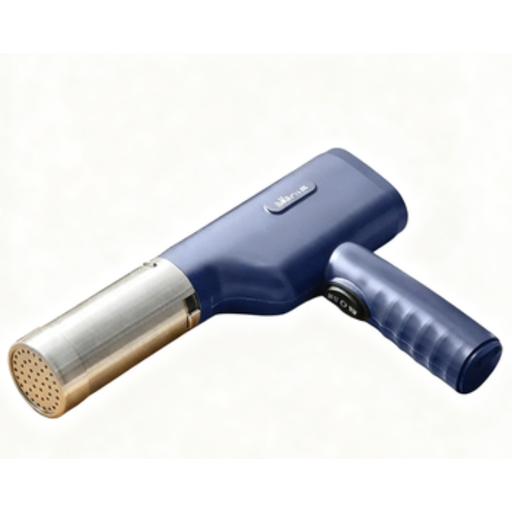
Why this product suits you: Its electric operation is ideal for households that want to make pasta without turning a handle by hand, and usually work with smaller amounts of dough.
The capacity, battery details and charging guidance are clearly stated. The removable stainless steel feed tube and five shaping dies make it easier to choose a pasta shape and clean the machine.
40 W rated power, 200 g dough capacity, five pasta shapes and a rechargeable 1,500-mAh battery.
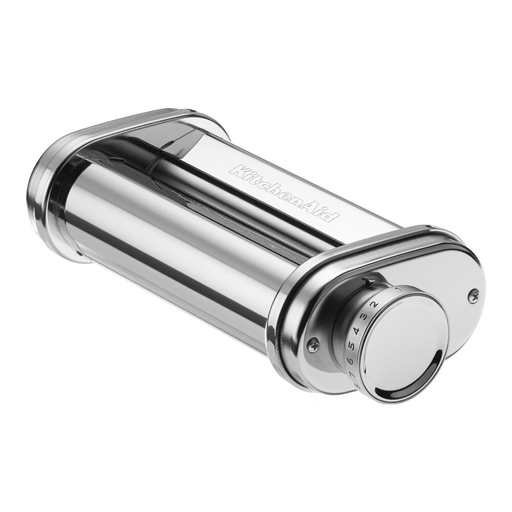
Why this product suits you: If you already own a compatible KitchenAid food mixer, you can use its motor to make evenly rolled sheets of dough.
It’s compatible only with KitchenAid models that have a multipurpose attachment hub. This makes it easy to check whether the attachment will fit before you buy.
Stainless steel roller, maximum dough width of 14 cm and eight settings to adjust the thickness.
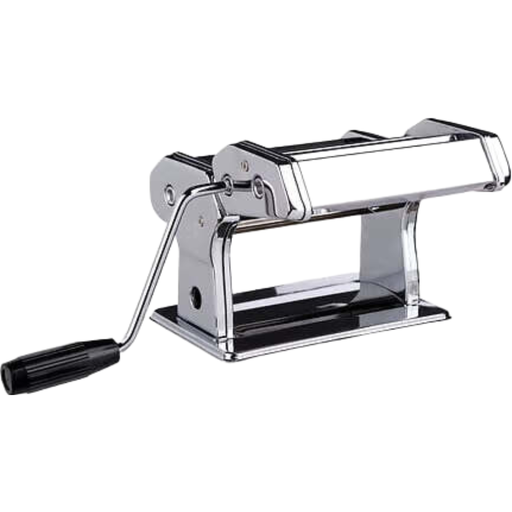
Why this product suits you: This set is for anyone who prefers making pasta by hand and wants to prepare ravioli in different shapes too.
The package contents are clearly listed: a pasta unit, a tagliatelle and spaghetti roller, and a ravioli roller. Remember to factor in the self-assembly before buying.
Three-piece set with steel and stainless steel construction, for making tagliatelle, spaghetti and ravioli.
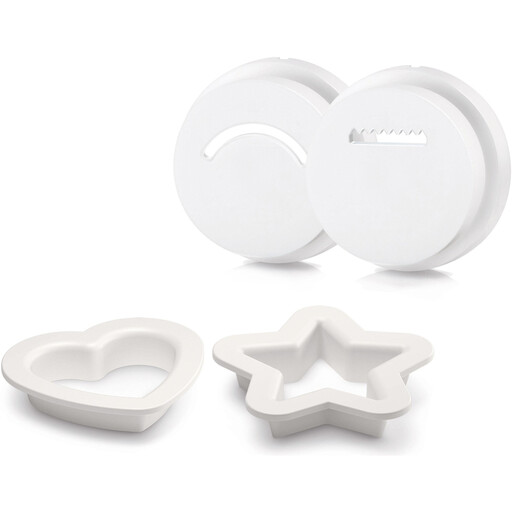
Why this product suits you: This attachment adds a shaped biscuit-making function to compatible Philips Avance pasta makers, making it a handy option for families looking for more ways to use their machine.
It’s designed specifically for compatible Philips Avance pasta makers. The package contents, including two shaping discs and a cleaning kit, are clearly described.
Two biscuit attachments, a cleaning kit and removable parts that are dishwasher-safe according to the product description.
Pasta machine accessories should suit both your machine and the type of dough you want to make. For long pasta, look for a spaghetti maker or tagliatelle rollers. If you want to make filled pasta, you’ll need a ravioli maker or a suitable ravioli roller. Biscuits require a purpose-designed attachment.
Also consider how much storage space you have. The three-piece stainless steel set measures 36.5 × 15 × 20 cm. If your worktop is small, a compact electric pasta maker may be more practical. For frequent use, make sure the machine is not only quick to clean but also easy to access for cleaning over time.
We’ve put together a complete, regularly updated list of products that meet these strict selection criteria and fully comply with the safety regulations in force in the EU.
It depends on the model. The BEAR YMJ-K40Z7 has a stated maximum capacity of 200 g of dough per batch. You may need to make several batches if you’re cooking for a group. With a manual pasta machine, dough is usually fed through the rollers in smaller portions.
Depending on the design, an electric pasta machine rolls or shapes the dough for you, so there’s no need to turn a handle. However, it needs to be plugged in or charged, and the motor, battery and overload protection should suit the way you plan to use it. A manual pasta machine doesn’t rely on a battery or mains power, but does require more effort.
Its lifespan depends on the materials, care, workload and correct use. Remove any dough after each use, follow the cleaning instructions and avoid using dough with an unsuitable consistency. If you’re buying an attachment, make sure you use it only with the food mixer models it’s designed for.