
Lieferung heute & morgen

Qualitätsgarantie

Willkommens-Angebote freischalten: KOSTENLOSE Lieferung | Bis zu 80 % RABATT | Kostenlose 30-Tage-JoyPlus-Testphase
App herunterladen
Making fresh pasta at home sounds straightforward: prepare the dough, roll it out, cut it and cook it. In practice, though, choosing the right pasta machine can make the difference between an efficient process and a gadget that ends up at the back of a cupboard after a few uses. Electric machines, manual stainless steel models, pasta attachments and stand mixers are among the options most often compared.
The main differences aren’t just about price. Capacity, compatibility, cleaning, how the machine handles dough and the attachments available all affect whether a pasta machine is right for your household.
Several attachments may look versatile at first glance. What matters, though, is whether they can make the pasta shapes you actually want. A lasagne roller, for example, rolls out sheets of dough, but it isn’t automatically a spaghetti or ravioli maker. Check which rollers or dies are included before you buy.
A pasta machine for homemade pasta can be handy for small portions, but it may not be designed for family-sized quantities. Depending on the model, ‘capacity’ may refer to the dough, the flour or the bowl size. These figures aren’t directly comparable.
Dough can get stuck in the rollers, dies or feed openings. Removable parts make cleaning easier. With electric machines, you should also check which components can be washed with water. The main unit can often only be wiped with a soft cloth.
A manual stainless steel pasta machine is operated with a hand crank. It doesn’t need electricity and is ideal if you want to control the rolling process yourself. For evenly rolled sheets of dough, it’s important that the machine can be secured firmly to your worktop.
An electric pasta machine can reduce the amount of work involved. Check its dough capacity, whether it runs on mains power or a battery, and the guidance on overload protection. According to the product information, the BEAR YMJ-K40Z7 is designed for up to 200 g of dough and has a 1,500 mAh battery. The stated runtime of around 35 uses on a full charge will depend on how you use it.
A pasta attachment for KitchenAid is only a good choice if you already own a compatible KitchenAid stand mixer. According to the product description, the 5KSMPSA makes sheets of dough up to 14 cm wide. The thickness can be adjusted using eight settings.
Stainless steel and other materials specifically approved for food contact are important for parts that come into contact with pasta. However, a material description alone doesn’t tell you how to care for the machine day to day. Read the cleaning instructions before buying.
The technical information for the KitchenAid attachment states that it is dishwasher-safe, but the instruction manual says not to immerse the roller or put it in the dishwasher. In practice, always follow the manufacturer’s specific care instructions.
If you regularly make bread, pizza, cakes and pasta, you could consider a stand mixer with a pasta attachment or a stand mixer with a separate dough hook. However, a stand mixer for kneading dough doesn’t automatically replace a pasta roller. Check whether a compatible pasta attachment is available, or whether you’ll need to roll out the dough by hand afterwards.
You should also take bowl size and motor power into account. A large bowl doesn’t automatically mean the mixer can process any amount of dough continuously. Pay attention to the maximum running time and any instructions about taking a break if the motor overheats.
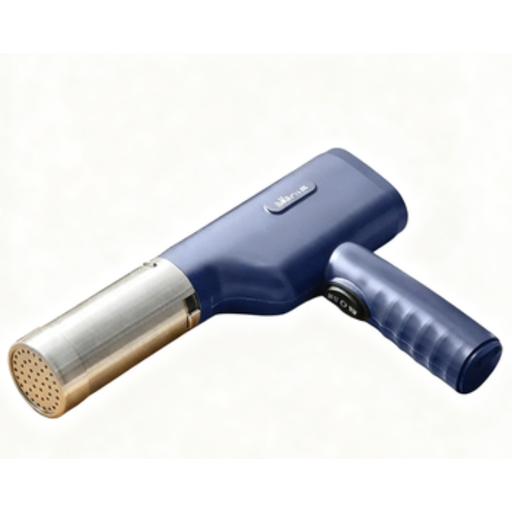
Why it’s a good fit: This compact electric machine is designed for smaller quantities of dough, up to 200 g, and comes with five dies for different pasta shapes.
The stated dough capacity makes it clear how much the machine can handle. According to the product information, the removable stainless steel hopper and dies are designed to make cleaning easier.
Battery-powered, with five shaping dies and a 200 g capacity for smaller portions.
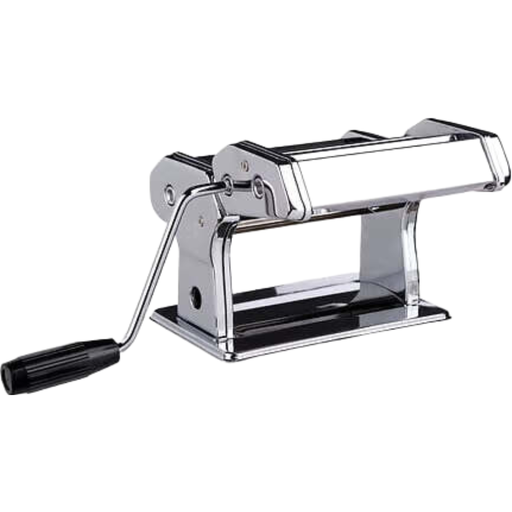
Why it’s a good fit: This set combines a manual pasta machine with rollers for tagliatelle, spaghetti and ravioli.
The listing clearly names all three components. This makes it easier to check before buying whether the ravioli and spaghetti functions you want are actually included.
Steel and stainless steel construction, three functions and a design suited to use on a worktop.
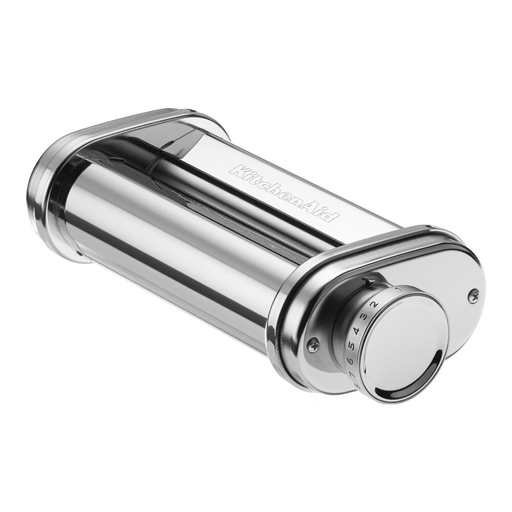
Why it’s a good fit: This lasagne roller is designed for compatible KitchenAid stand mixers and makes pasta sheets up to 14 cm wide.
It’s clearly stated that this attachment is only compatible with KitchenAid models featuring a multifunction attachment hub. If you have a different system, check your model before buying.
Stainless steel roller, 14 cm pasta sheets and eight adjustable thickness settings.

Why it’s a good fit: With a 6-litre stainless steel bowl and a dough hook, this stand mixer is worth considering if you regularly make different types of dough.
The product description gives details of the bowl capacity, motor power, speed settings and overheating protection. A separate pasta attachment isn’t listed as standard, so you’ll need to check this separately.
6-litre bowl, 450 W motor, six speeds plus pulse function, and a dough hook.
We’ve put together a complete, regularly updated list of products that meet these strict selection criteria and fully comply with the safety regulations in force in the EU.
For small portions, an electric pasta machine with a clearly stated capacity can be handy. If you’d rather control the process yourself, choose a manual machine with a hand crank. Before buying, compare what’s included, how it’s cleaned and whether it can make the pasta shapes you want.
Its lifespan depends on the materials, how heavily it’s used, how well it’s maintained and whether it’s operated correctly. Avoid using dough that’s too hard or making portions that are too large. Keep moving parts free from residue and store the machine somewhere dry. For electric models, follow the guidance on running times and cooling breaks.
For a battery-powered machine, the main running costs are typically the small amounts of electricity needed to charge it. The actual cost can’t be calculated without knowing your electricity tariff, how often you charge it and how long you use it. For mains-powered machines, factor in the power rating and recommended running time.