
Lieferung heute & morgen

Qualitätsgarantie

Willkommens-Angebote freischalten: KOSTENLOSE Lieferung | Bis zu 80 % RABATT | Kostenlose 30-Tage-JoyPlus-Testphase
App herunterladen
Making fresh pasta at home doesn’t have to take up much space or require any special skill. Even so, unclear product details, incompatible attachments and hard-to-clean parts can often lead to disappointing purchases. So when choosing a pasta maker, don’t base your decision solely on the number of shapes it can make or on marketing promises.
For keen cooks, families, people living alone and anyone with a small kitchen, three things matter most: the type of drive, the quality of the materials and cleaning, and the machine’s actual capacity. Depending on your needs, an electric pasta maker, a manual pasta machine or a separate ramen cooker could be the better choice.
A wide choice of attachments sounds convenient at first. What matters, though, is whether they’re compatible with the machine you have. A Philips Avance biscuit attachment, for example, is designed for Philips Avance pasta makers and won’t necessarily work with other machines.
Before buying, check:
A space-saving pasta maker is ideal for small kitchens, student accommodation and households with one occupant. However, a smaller machine often has a more limited dough capacity, too. A machine with a 200 g capacity may suit one or a few portions, while families may need to make several batches.
So check the dough capacity per batch, not just the external dimensions.
Dough can quickly get stuck in the shaping discs, rollers and filling areas. Not every machine can be rinsed with water. With electric models, you’ll also need to keep the motor unit away from moisture.
Removable, food-safe parts and clear cleaning instructions are useful features. If you have a manual stainless steel pasta machine, dry it thoroughly after use to prevent residue build-up and corrosion in more delicate areas.
An electric pasta maker uses a motor or battery to extrude or shape the dough. This can make preparation easier, especially if you make fresh pasta regularly. Check the power, power supply, battery life and overload protection information.
A manual pasta machine is operated with a handle. It doesn’t need a battery and often gives you direct control over the dough. However, you’ll need one hand to turn the handle while you work. Many manual machines use rollers to make lasagne sheets, tagliatelle and spaghetti; a ravioli attachment isn’t always included.
For a stainless steel pasta machine, check that the parts which come into contact with food are clearly identified. With proper care, stainless steel and steel are durable materials. However, you’ll need to remove all dough residue and dry the parts after cleaning.
For plastic attachments, check the manufacturer’s information on whether they’re suitable for food contact. Don’t assume they’re dishwasher-safe, either: check which removable parts this applies to.
Measure the space where you plan to keep the machine, including the handle, crank and any filling opening. A machine may look compact on paper but need extra room when you’re using it.
Useful details to check include:
For ramen, cooking capacity matters too. A ramen cooker won’t shape dough; it heats water and, depending on the model, can also be used for soups, eggs and other dishes.
The selection below groups the products by how you plan to use them and the product information available.
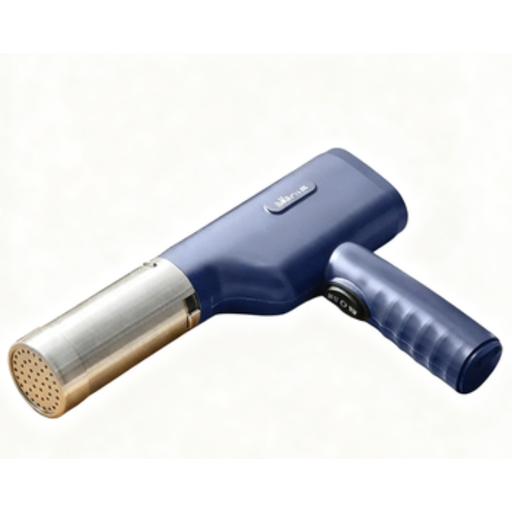
Why this product suits your needs: This battery-powered model is designed for smaller portions and for anyone who wants to make fresh noodles or spaghetti without turning a handle. Its stated capacity is 200 g of dough.
The product details specify its capacity, dimensions and battery. The five included shaping discs make it clear what you’re getting, rather than simply promising a vague variety of shapes.
Removable stainless steel hopper and shaping disc. According to the product details, a full charge provides around 35 uses, depending on how you use it.
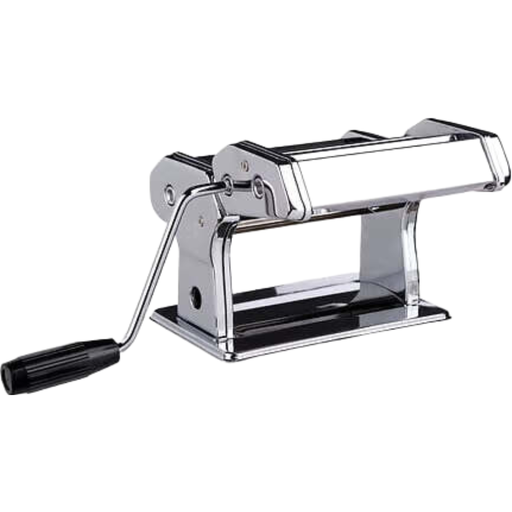
Why this product suits your needs: This manual set is for anyone who prefers to control the rollers by hand and wants a single set for making several classic types of pasta.
The package contents are clearly listed: a pasta machine, a tagliatelle/spaghetti roller and a ravioli roller. This makes it easy to check whether it includes the shapes you want before you buy.
Steel and stainless steel construction, three components and compact dimensions of 36,5 × 15 × 20 cm. Assembly is required.

Why this product suits your needs: This compact ramen cooker is ideal for people living alone, couples, students and offices. It lets you heat noodles, soups or eggs directly, without needing a pasta maker for dough.
Its 1.6-litre capacity and dimensions are listed, so you can check in advance whether it’s suitable for single portions and the space you have available.
600 W heating element, keep-warm and cooking functions depending on the setting, automatic shut-off and boil-dry protection, according to the product description.
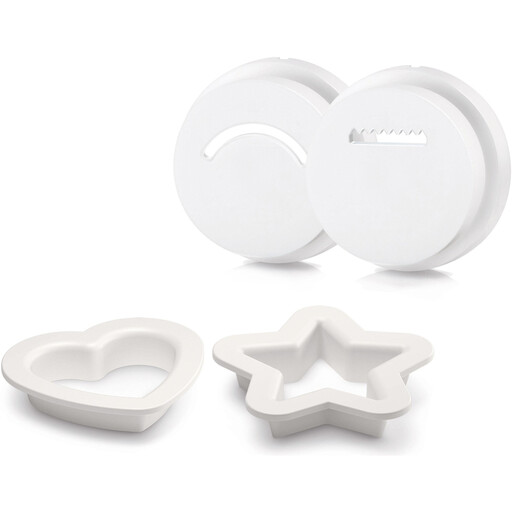
Why this product suits your needs: This attachment is designed for owners of a compatible Philips Avance pasta maker who want to use their machine to make shaped biscuits as well.
Compatibility with the Philips Avance Collection is clearly stated. Before ordering, check that your machine matches this description.
Two biscuit attachments, a cleaning kit and removable parts that are dishwasher-safe, according to the product details.
We’ve put together a complete, regularly updated list of products that meet these strict selection criteria and fully comply with the safety regulations in force in the EU.
The right pasta accessories can add more ways to use your machine, but they need to be compatible with it. To make ravioli, you’ll need a suitable ravioli roller or mould. For thin ribbons of pasta, look for a tagliatelle roller; a spaghetti maker produces thinner strands.
Also check:
For battery-powered machines, make sure the charger matches the specified requirements. For the BEAR model, an adapter rated at 5 V and 1 A or 5 V and 2 A is recommended. According to the product details, using an unsuitable fast charger could damage the electronics.
If storage space is limited, consider a compact electric model or a manual machine with a removable handle. Check the external dimensions and how much room you’ll need while using it. A capacity of 200 g of dough is better suited to smaller quantities.
Its lifespan depends on the materials, cleaning, dough consistency and how often you use it. Very firm dough can put electric machines under strain. With manual machines, keep the rollers and body dry. Follow the manufacturer’s instructions for your model and don’t continue using damaged parts.
Running costs depend on the power, how long you use the machine and your electricity tariff. For battery-powered models, you’ll also need to factor in the electricity used for charging. A 600 W ramen cooker uses 0.6 kWh in an hour in theory. In practice, it will usually run for less time, so the cost depends on how long you cook for.