Window-light photographers
You photograph pasta by the window now and then and mainly want to lighten dark shadows without setting up a light for every shot.


You don’t automatically need an LED panel: if the window light is sufficient and only the shadow side is too dark, a white card or reflector may be all you need to start with. For repeatable shots in changing daylight, a dimmable bi-colour panel with diffusion could be a useful addition. Check how much space it needs, what’s included and the requirements for the exact model and its power supply.
You photograph pasta by the window now and then and mainly want to lighten dark shadows without setting up a light for every shot.
You capture several stages of preparation or different plates, and want controllable light and consistent colours as the daylight changes.
You work on a small kitchen surface, so you need to plan for the light, its mount, cables and the available angles all at once.
A good fit if: The window light is enough for your shot and you mainly want to brighten the shadow side.
The trade-off: A reflector doesn’t produce its own light, and the strength and colour of daylight can change.
A good fit if: You want to direct extra light precisely or create similar shooting conditions when the daylight changes.
The trade-off: The panel, mount and, if needed, power supply take up space. Manufacturer specifications are no substitute for testing the panel in your own setup.
| Priority | What to check before buying | Who is it important to? |
|---|---|---|
| Soft fill light | Check for a diffuser, dimmable brightness and the option to position the light to the side. First compare a shot without extra light with one using a white card. | If you want to brighten the shadow side while preserving the pasta’s texture, soft fill light matters to shoppers with this as their main priority — around 36%. |
| Consistent colours | Check the adjustable white-light range and dimming; a white card can help you set the white balance in your actual setup. | If you photograph several stages or plates and changing window light affects the colours, consistency matters to shoppers with this as their main priority — around 29%. |
| Extra light when daylight is limited | Compare illumination figures only at the same distance and with comparable settings. Also consider diffusion and the power supply. | If the available window light isn’t enough for your shot, you’ll need your own light source. Extra light matters to shoppers with this as their main priority — around 21%. |
| Space and setup | Check the dimensions, maximum usable stand height, tilt, cable routing and what’s included with the exact version. | If there’s little space left beside your plate and worktop, you’ll need to be able to position the light appropriately. A compact setup matters to shoppers with this as their main priority — around 14%. |
A white card can bounce existing window light back onto the shadow side. A panel also means setting up another piece of equipment.
First test whether a white card brightens the shadows enough, then decide whether you need your own light source.
Illumination figures can vary depending on the measuring distance and colour temperature setting. A single figure therefore won’t necessarily tell you how bright the light will be on your work surface.
Compare figures only at the same distance and with comparable settings, and test the light in your own setup.
Neewer sells the NL660 in versions with and without a stand; the manufacturer states that NP-F batteries are not included.
Check the exact version and which parts are actually included for the setup you want.
Depending on the version, you may need to budget for a stand or battery separately.
Extra colour modes serve a different creative purpose from controllable white light for natural-looking fill.
First compare the white-light mode, diffusion and positioning options. Choose RGB if you’ll actually use the coloured effects.
The P60 range includes bi-colour panels for adjustable white light; the P60c adds RGBWW features.
The LDX range includes bi-colour and RGBWW panels for controllable lighting setups.
The NL660 is a bi-colour panel; what’s included varies by version.
The PavoSlim 60B is a slim bi-colour panel with accessories for shaping the light.
The LUMIS Key Light Pro is described primarily as a desktop panel for desks, streaming and video calls.
The manufacturer also describes the Sirius 160 Bi Color as suitable for product photography.
The Joybuy products below are compact supplementary lights, including video lights and a fill light; not all of them are LED panels. Before buying a product intended for use in Germany, check the applicable requirements for the exact model and power supply.
 No image available
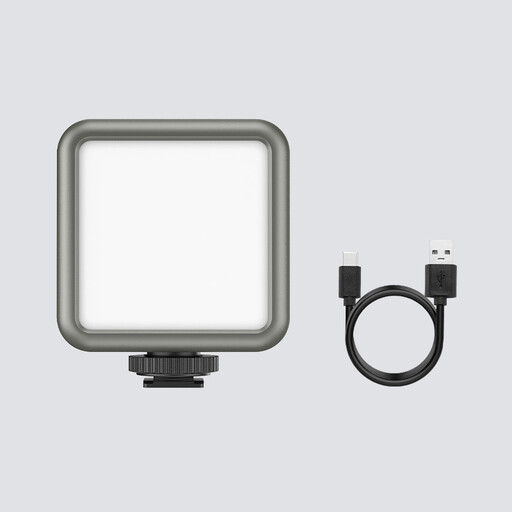
A compact supplementary light could work well in a small setup; check whether you can position it at the right angle for the pasta.
The product title lists 2500–9500 K, a 2000-mAh battery and a magnetic back.
 No image available
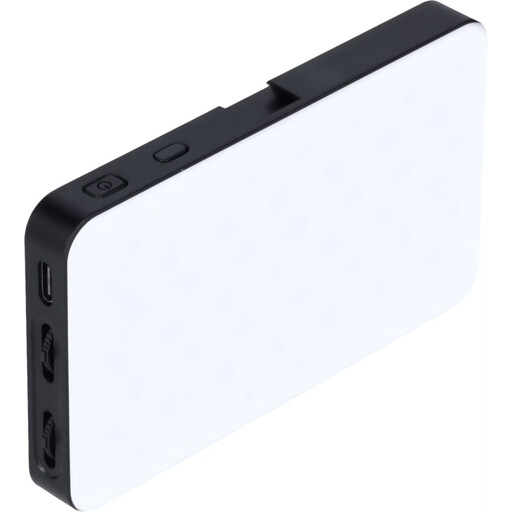
If you’re short on space, check whether you can position this compact light to the side of your work surface.
The product name lists 8 W, 360 colours, bi-colour and app control.
 No image available
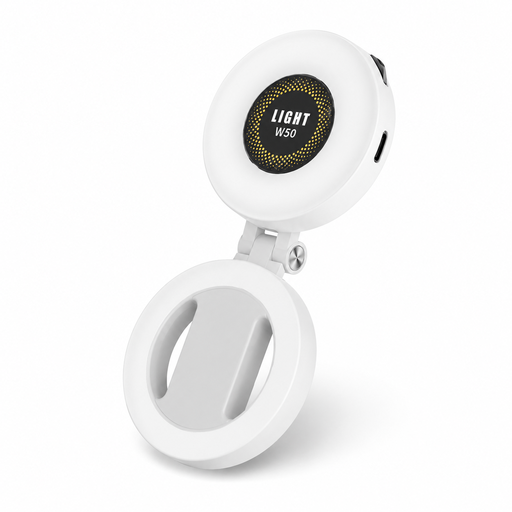
This compact fill light could be a useful addition if space is limited; check whether the mount works for the position you have beside the plate.
The product name lists CRI 95+, 360° LED lighting, a mirror and a magnetic mount.
 No image available
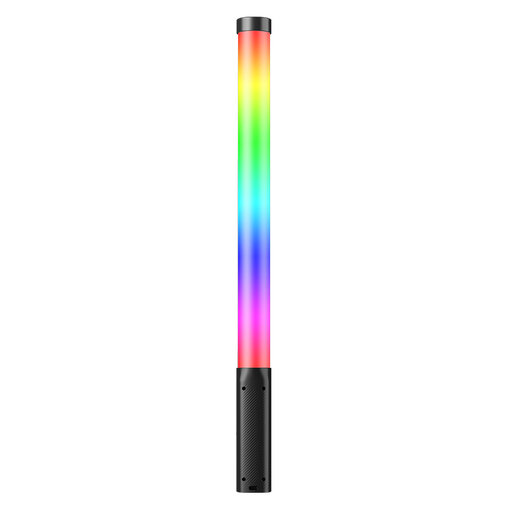
A handheld light can be useful for a portable setup; consider whether you want to position the light yourself throughout the shoot.
The product name lists 10 W, 360 lux at 0.5 m, a built-in 3300-mAh battery and 2500–9000 K.
Start with soft light from the side and check whether a white card opposite the window is enough. Direct frontal light isn’t necessarily the right choice if you want to keep the pasta’s texture visible.
Set the panel to suit the lighting effect you want and check the white balance with a white card in your actual setup. A Kelvin figure alone can’t guarantee consistent colour when you’re mixing light sources.
Keep liquids away from the light, leave the ventilation openings clear and watch out for hot surfaces. These instructions are in the Nanlite PavoSlim 60B manual; if you have a different model, follow its own instructions.
No, what’s included depends on the model and version. Neewer offers the NL660 in versions with and without a stand and states that NP-F batteries are not included, so check the contents for the exact version.
CE marking is required if the harmonised EU rules that apply to the specific product require it. The European Commission explains this requirement; when carrying out market surveillance, the Bundesnetzagentur lists marking, manufacturer details, German-language instructions and a declaration of conformity among the points it checks. Check the exact model and power supply version: a CE mark alone is not an independent test of performance or quality.