
Lieferung heute & morgen

Qualitätsgarantie

Willkommens-Angebote freischalten: KOSTENLOSE Lieferung | Bis zu 80 % RABATT | Kostenlose 30-Tage-JoyPlus-Testphase
App herunterladen
A clean patio is the centrepiece of any garden, but weather, algae, and dirt often leave unsightly marks. Stubborn green growth, in particular, can spoil the enjoyment of your outdoor space. Many people turn to a cleaning device, but this is where costly mistakes can happen. The wrong tool can permanently damage sensitive surfaces like wood or WPC.
Before you make a purchasing decision, it's important to understand the most common pitfalls:
To avoid these mistakes, you should check two key technical features before buying. These will determine whether a device is suitable for your patio or not.
The most important distinction lies in the operating principle. An electric patio cleaner (often also called an electric patio brush) works primarily with rotating roller brushes. These mechanically scrub the dirt from the surface. The water pressure is low and serves only to wash away the loosened debris. This principle is ideal to clean a wooden deck or clean WPC, as it is gentle on the material.
A pressure washer, on the other hand, relies on the sheer force of the water jet (often over 100 bar). It is an effective algae removal tool for robust, non-sensitive surfaces like concrete or paving stones, but it carries the risks mentioned above for more delicate materials.
Pay attention to the brushes included or available as optional extras. Models with interchangeable rollers offer the greatest flexibility. Special brushes are required for wood and WPC to clean thoroughly without damaging the surface.
Another hallmark of quality is an integrated water system. Devices that direct water through nozzles directly onto or in front of the brushes work most efficiently. An adjustable water flow via a valve on the handle allows you to control consumption and minimise moisture exposure for the decking.
Based on these objective criteria, we have identified products that offer a suitable solution for specific user profiles and patio types.
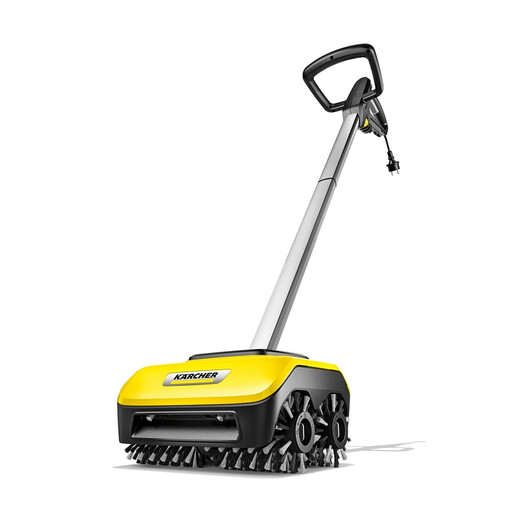
Why This Fits Their Persona: This device was specifically designed for the gentle yet thorough cleaning of wood and WPC surfaces. It is the right choice for anyone who wants to preserve the long-term value of their deck.
The PCL 6 works with rotating brushes and low water pressure (max. 10 bar). It actively avoids the "high-pressure mistake," thus protecting the sensitive material structure of wood and WPC from roughening and damage.
Two counter-rotating roller brushes ensure a uniform cleaning result. The water supply is adjustable directly on the handle, ensuring water-efficient and material-appropriate use.
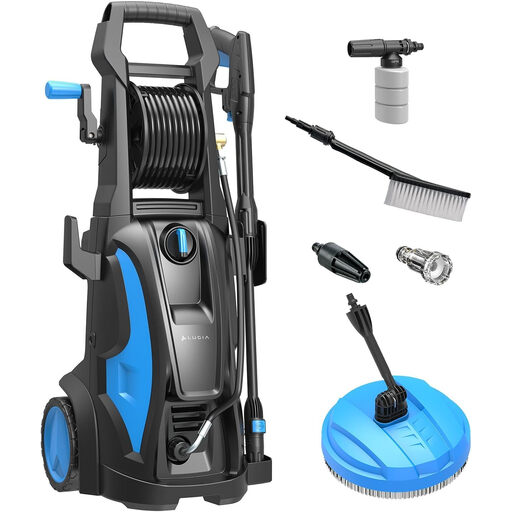
Why This Fits Their Persona: For homeowners with large, robust surfaces made of concrete, paving stones, or tiles who need maximum cleaning power for the toughest dirt and also want to use the device for other tasks like car washing.
This device is a classic pressure washer. It is the right choice for non-sensitive surfaces where the high force of the water jet (up to 185 bar) is needed. The included patio cleaner attachment helps to control overspray.
High cleaning performance and a water flow rate of (550 L/h) enable fast work on large, durable surfaces. The accessory kit makes the device versatile for various cleaning tasks around the house and garden.
We have compiled a complete, up-to-date list of products that fully meet these strict selection criteria and local safety regulations.
Water consumption is significantly lower than that of a pressure washer. A model like the K?rcher PCL 6 uses a maximum of 180 litres per hour at 4 bar pressure, according to the manufacturer's specifications. The adjustable water supply allows you to adapt consumption to the level of dirt and reduce it further.
Yes, many models offer this flexibility. For the K?rcher PCL 6, for example, roller brushes for stone surfaces are available as an optional extra. These enable effective cleaning of smooth and fine-pored stone slabs without needing to purchase a second device. Before buying, check the availability of accessories for different materials.
A surface cleaner attachment for a pressure washer distributes the high water pressure over a larger area and reduces splashing. However, the basic principle remains cleaning by water pressure. An electric patio brush cleans primarily mechanically through the rotation of the brushes and operates at a very low pressure. For sensitive surfaces like wood, the mechanical cleaning method is the more material-friendly option.