
Lieferung heute & morgen

Qualitätsgarantie

Willkommens-Angebote freischalten: KOSTENLOSE Lieferung | Bis zu 80 % RABATT | Kostenlose 30-Tage-JoyPlus-Testphase
App herunterladen
A quality patio umbrella is more than just a shade provider—it's a centrepiece for enjoying your time outdoors. But the market is flooded with models whose promises prove empty at the first strong breeze or after just a few weeks in the sun. Many buyers invest in products that either offer inadequate protection or quickly become unusable due to structural flaws. This guide will show you what to look for to make an informed decision.
Before we dive into the key quality features, let's look at the three most common issues that lead to disappointment and unnecessary expense:
To avoid these pitfalls, you should check three core parameters before buying. These objective criteria will help you realistically assess a patio umbrella's performance and durability.
The most important parameter for a UV protection patio umbrella is its UPF rating. This indicates how much UV radiation is blocked by the fabric. Look for a clear specification:
An umbrella's stability depends on the quality of its frame and how it is secured.
A modern patio umbrella should be adjustable to the sun's position.
Based on these objective criteria, we have identified a few models that are well-suited for specific use cases.
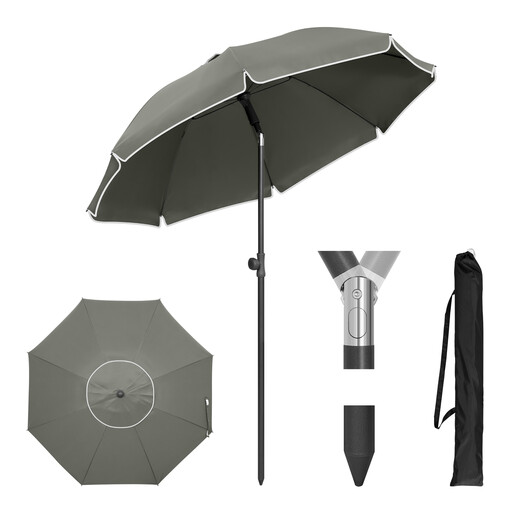
Why This Fits Their Persona: Ideal for those who need a lightweight, portable solution for various locations like the balcony, garden, or beach. The included carrying bag and tool-free assembly make it especially practical for renters and day trips.
Counters the trap of inadequate protection with a clearly declared UPF 50+, which the manufacturer states blocks over 99% of UV rays. The design, featuring 8 metal ribs and a wind vent, counteracts instability in breezy conditions.
Highly portable due to its low weight and carrying bag. Flexible positioning thanks to a dual-sided 35° tilt function and height adjustment.
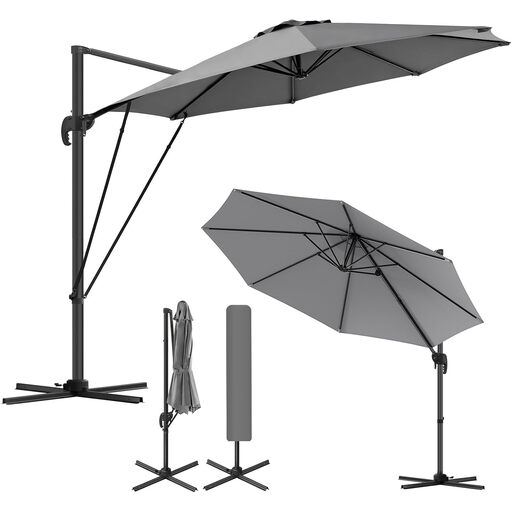
Why This Fits Their Persona: Perfect for homeowners looking to shade a large area, like a lounge set or dining space on the patio, all day long. Its high flexibility, with rotation and tilt, makes it a semi-permanent installation for the summer.
Addresses the stability trap of large umbrellas with a robust pole made of aluminium and iron, 8 sturdy ribs, and included wind-resistant guy ropes. The fabric, with a UPF 50+ rating, provides reliable protection.
Maximum flexibility with 360° rotation via a foot pedal and a 5-level tilt adjustment. The large 300 cm diameter provides a shaded area of approximately 7 m?.
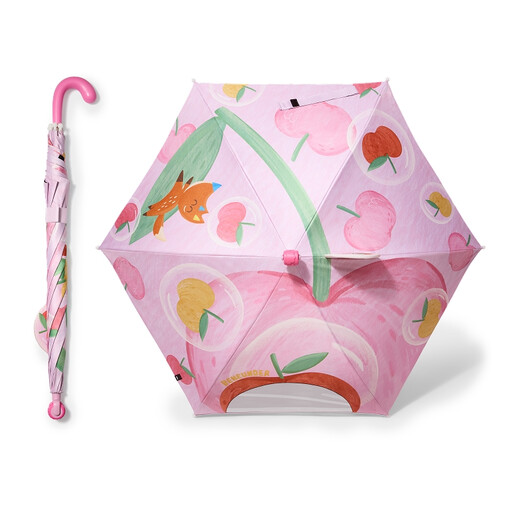
Why This Fits Their Persona: Specifically for parents who place the highest priority on their children's protection and safety. The child-friendly design, with rounded tips, an anti-pinch mechanism, and low weight, makes the umbrella easy and safe for kids to handle.
Delivers maximum protection with a UPF 50+ rating and a special L.R.C black coating that, according to the manufacturer, blocks ≥99.9% of UV rays. The sturdy fibreglass-alloy frame ensures the necessary stability for use by children.
Combines very high UV protection with thoughtful safety features like rounded tips and an anti-pinch mechanism.
We have compiled a comprehensive, up-to-date list of products that meet these strict selection criteria and current safety standards.
1. How do I secure a cantilever umbrella safely? A secure base is crucial for stability. Use a compatible umbrella stand filled with water or sand to achieve the manufacturer's recommended minimum weight (often 50 kg or more). Alternatively, base stands can be weighted down with heavy concrete pavers. In windy conditions, you should also use the included guy ropes or close the umbrella as a precaution.
2. What does UPF 50+ mean for a patio umbrella? UPF stands for "Ultraviolet Protection Factor" and is a measure of sun protection in textiles. A rating of 50+ means the fabric allows less than 1/50th (or under 2%) of UV radiation to pass through. This equates to blocking over 98% of harmful UVA and UVB rays, offering excellent skin protection.
3. Can I leave a patio umbrella out in the rain? Most patio umbrellas are treated with a water-repellent (not fully waterproof) coating that can withstand light showers. However, in heavy or persistent rain, the umbrella should be closed and covered with a protective sleeve. This not only prevents water from soaking through but also protects the fabric and mechanism from moisture damage and mould, thereby extending the umbrella's lifespan.