
Lieferung heute & morgen

Qualitätsgarantie

Willkommens-Angebote freischalten: KOSTENLOSE Lieferung | Bis zu 80 % RABATT | Kostenlose 30-Tage-JoyPlus-Testphase
App herunterladen
A PDRN serum is often marketed as helping skin look smoother, firmer or more radiant. But the term “PDRN” alone shouldn’t determine your choice. What matters is the full INCI list, the product size, the packaging and whether the texture suits your skincare routine.
Korean serums and ampoules are particularly prone to a few common buying mistakes:
PDRN stands for polydeoxyribonucleotides. In cosmetic formulas, it is often listed as Sodium DNA. This ingredient is mainly associated with skincare for a hydrated, supple-looking and more even-looking complexion. However, this does not mean it has a medical or therapeutic effect.
A Korean PDRN serum often combines PDRN with other hydrating and skin-conditioning ingredients, such as:
Check whether the formula contains fragrance, alcohol, essential oils or any ingredients you know your skin reacts to. According to its stated INCI list, Medicube Salmon PDRN Serum contains fragrance and salmon-derived ingredients, among others, so it isn’t suitable for vegan skincare. If you’re sensitive to fish, pay particular attention to this.
Anua PDRN Serum is described as fragrance-free and alcohol-free. Even so, a product marketed as gentle can still cause an individual reaction. It’s a good idea to patch test on a small area of skin before using it regularly.
A PDRN hyaluronic acid serum with several forms of hyaluronic acid can be a good way to combine different hydrating ingredients in your routine. Very dry skin may also need a cream or balm, so your skincare not only adds hydration but leaves your skin feeling comfortable and protected.
Watery serums are often suitable for layering under a cream. Richer formulas with oils or esters may feel more comfortable on dry skin, but can feel heavier on combination skin, depending on how much you use and the time of year.
A 30 ml bottle is handy for everyday use. Single-dose ampoules, such as 10 × 1.5 ml, let you use a measured amount each time. Follow the manufacturer’s instructions after opening; Medicube One Day Serum, for example, should be used within one day of opening an ampoule.
Also check for:
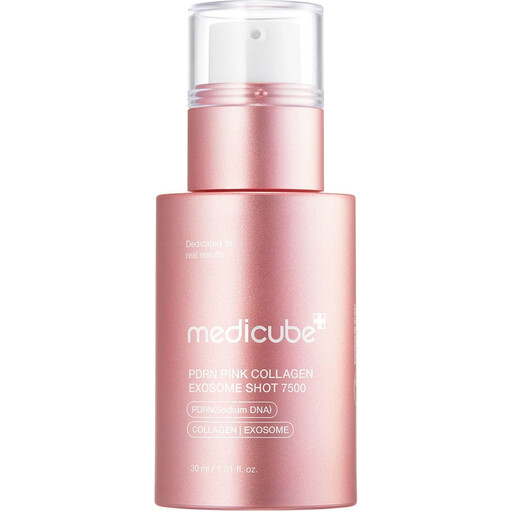
Why it suits this profile: The 30 ml bottle is easy to fit into your morning or evening routine. Its fluid texture is designed to be applied after cleansing and before moisturiser.
The product description explains how to use it and advises checking the packaging. This helps you choose based on the actual formula, rather than the word “Glow” alone.
PDRN, Pink Collagen and Exosome are listed as ingredients; the bottle contains 30 ml.
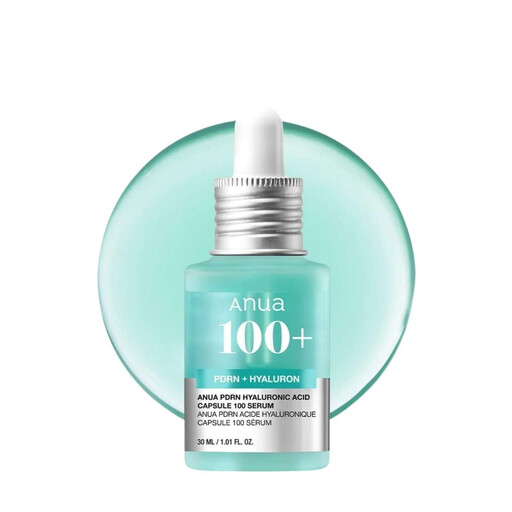
Why it suits this profile: The INCI list includes PDRN, hydrolysed collagen ingredients, niacinamide and several forms of hyaluronic acid. This makes it a good fit for a carefully planned K-beauty routine focused on hydration.
This choice is based on identifiable ingredients, rather than an ingredient count alone. It’s still worth checking the packaging before you buy to confirm the current formula.
30 ml, a lightweight texture and a combination of PDRN with eleven types of hyaluronic acid, according to the product information.
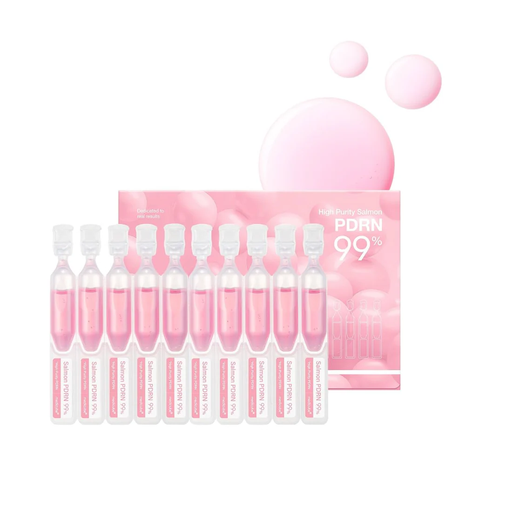
Why it suits this profile: The single doses are ideal if you prefer measured applications or want to take a serum with you when travelling.
Single doses mean less time storing an opened product. Follow the product instructions: use an opened ampoule within one day and close it securely.
Ten individual ampoules, each containing 1.5 ml; the INCI list includes Sodium DNA, panthenol and several forms of hyaluronic acid.
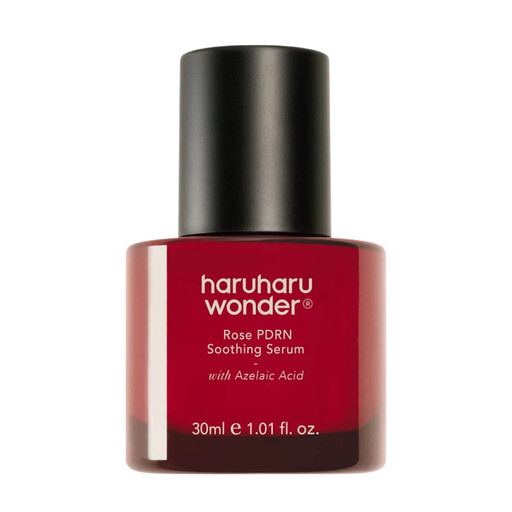
Why it suits this profile: The formula is described as containing plant-derived Rose PDRN, alongside ingredients such as panthenol, Ceramide NP, squalane and several forms of hyaluronic acid.
The source of the PDRN is clearly distinguished before purchase. If you want to avoid salmon-derived ingredients, this makes it easier to consider an option marketed as plant-based.
30 ml, a lightweight texture and an INCI list featuring panthenol, Ceramide NP, squalane and Sodium DNA.
We’ve put together a complete, regularly updated list of products that meet these strict selection criteria and fully comply with the safety regulations in force in the EU.
Apply a PDRN serum after cleansing and, if you use one, after toner. One or two pumps or a few drops are usually enough for your face and neck. Follow with a moisturiser. In the morning, finish with sunscreen offering suitable UVA and UVB protection.
If your skin is sensitive, red or damaged, start with a patch test. Avoid introducing several new active skincare products at the same time. That makes it easier to identify a formula your skin may not tolerate.
Many formulas contain glycerin, panthenol or hyaluronic acid, so they can be used as a hydrating serum in a routine for dry or dehydrated skin. Whether you also need a cream depends on your skin and the serum’s texture.
It depends on how much you use each day and whether you apply it to your face only or your neck as well. With regular use, a 30 ml bottle typically lasts several weeks. Exactly how long it lasts depends on the pump and how much you dispense.
It’s usually straightforward to use one with a basic moisturiser. If you use retinal, acids or heavily fragranced products, introduce them into your routine gradually and keep an eye on how your skin reacts. A PDRN serum is a cosmetic skincare product and is not a substitute for dermatological advice.