
Lieferung heute & morgen

Qualitätsgarantie

Willkommens-Angebote freischalten: KOSTENLOSE Lieferung | Bis zu 80 % RABATT | Kostenlose 30-Tage-JoyPlus-Testphase
App herunterladen
PDRN skincare is becoming increasingly popular in Korean skincare, with products available as serums, ampoules, toner pads, masks and creams. Product names often promise a radiant complexion, more hydration and smoother-looking skin. However, there are important differences between concentrated formulas and eye-catching marketing terms.
If you want to target dry, dull, sensitive or mature skin, don’t focus solely on terms such as “Exosome”, “Collagen” or a high PDRN concentration. The full INCI list, the right product format and a routine that suits your skin and lifestyle matter most.
PDRN is often listed in cosmetic ingredients as Sodium DNA or Polydeoxyribonucleotide. A prominently displayed percentage doesn’t automatically indicate how well the product will perform. It’s more useful to check where Sodium DNA appears in the INCI list and which other humectants, nourishing oils or soothing ingredients are included.
The source can also vary. Some products list salmon-derived ingredients, while others use PDRN alongside plant-based or fermented ingredients. If you follow a vegan lifestyle or are sensitive to fish ingredients, check the packaging carefully.
A PDRN Exosome Serum may also contain niacinamide, adenosine, collagen, panthenol or hyaluronic acid. This combination may be a good fit for a hydrating routine that helps skin look smoother. However, it’s no substitute for personalised skincare advice and should not be confused with medical treatment.
For products described as “Shot”, “Pin” or microneedle-like, check the directions for use too. Depending on the formula, you may feel a tingling sensation. Stop using the product if redness, burning or itching persists.
A routine of PDRN serum, PDRN ampoule, PDRN toner pads, PDRN face mask and PDRN face cream may sound comprehensive, but it isn’t necessarily more effective. Several products may contain the same groups of ingredients, making the routine too rich or irritating.
One product format is usually enough to start with. You can add more steps once you know your skin tolerates it well.
Check the full ingredients list on the product or packaging. Humectants such as Glycerin, Butylene Glycol, Panthenol or Hyaluronic Acid are often a good fit for hydrating skincare. Ceramides, squalane or plant oils can be incorporated into a barrier-supporting routine for dry skin.
Sensitive skin may react to fragrance, essential oils, alcohol or certain plant extracts. Niacinamide may not feel comfortable for everyone at every concentration, either. It’s a good idea to patch test on a small area of skin before using a product regularly.
Apply a serum or ampoule after cleansing and usually after toner. A cream often goes on as the final skincare step. Toner pads can be convenient, but they should be removed hygienically each time and the container should be closed securely afterwards.
Single-dose ampoules, such as the Medicube PDRN Pink One Day Facial Serum Set, give you a pre-measured amount to use. Follow the manufacturer’s guidance on how long opened units can be used for. A face mask is better suited to occasional extra care rather than being an essential daily step.
Lightweight textures are often easier to wear under make-up or sun protection. Richer formulas may feel more comfortable on dry skin, while combination or oily skin may need only a smaller amount.
In the morning, finish your routine with suitable sun protection. PDRN skincare is not a substitute for UV protection. If you have known allergies, damaged skin or a dermatological condition, seek advice from a dermatologist.
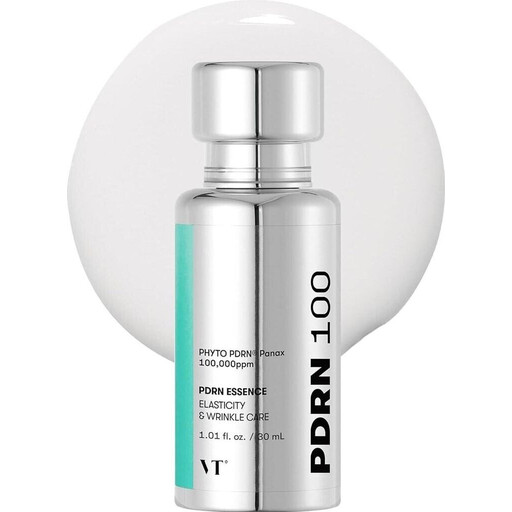
Why this product suits this profile: A single, lightweight serum is an easy way to start a PDRN routine. Apply it in the morning or evening after cleansing and toning.
This format reduces the risk of combining several PDRN products from the outset. Before buying, check the full ingredients list against your own sensitivities.
30 ml size, lightweight texture and use after cleansing and toning.
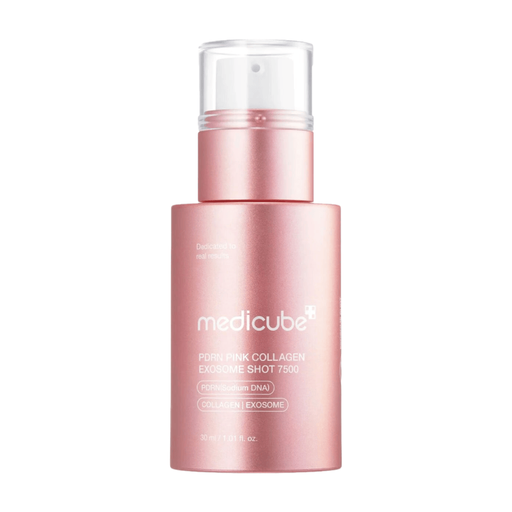
Why this product suits this profile: This serum combines Sodium DNA with niacinamide, panthenol, adenosine and other ingredients. It’s aimed at people who prefer a multi-ingredient formula for dry or dull-looking skin.
The ingredients are listed on the product page, but the packaging is the definitive source for checking the current formula. This helps you avoid basing your decision on the word “Exosome” alone.
30 ml serum with Sodium DNA, niacinamide and panthenol; product information recommends using it after cleansing and toning.
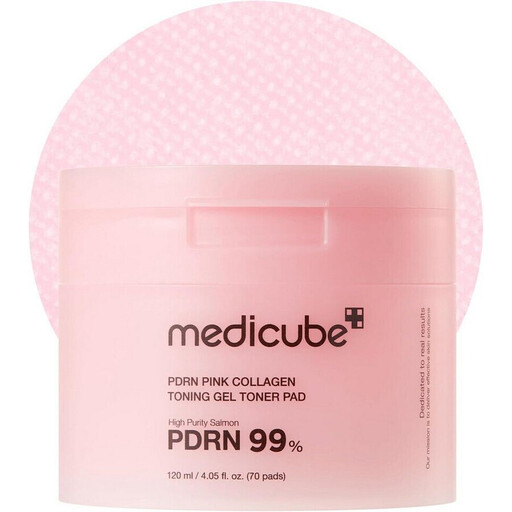
Why this product suits this profile: Toner pads are a good option if you prefer a quick, single-step skincare boost in the morning or when you’re out and about. You can also leave one on dry areas for a short while.
The format is clearly defined: 70 pads in one container. Using the supplied tweezers to remove each pad and closing the lid securely helps prevent them from drying out and avoids unnecessary waste.
70 pads with a gel-pad texture and, according to the product description, PDRN, hydrolysed collagen, niacinamide and adenosine.
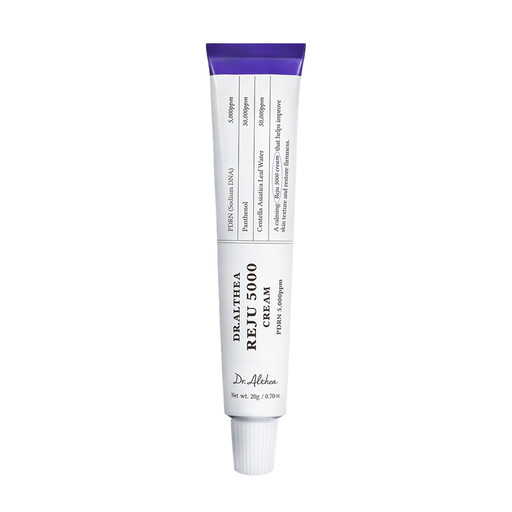
Why this product suits this profile: Using a cream as the final or penultimate step works well in a pared-back routine focused on hydration and helping prevent moisture loss.
This cream isn’t intended to replace every other skincare product. It complements your existing routine and can be applied in a small amount.
20 g size with Sodium DNA, panthenol and several forms of hyaluronic acid, according to the listed INCI ingredients.
In cosmetic formulas, PDRN usually refers to Sodium DNA, or Polydeoxyribonucleotide. It’s used in serums, ampoules and creams. The source, concentration and combination with other ingredients vary from product to product. Always check the current ingredients list on the packaging.
A PDRN serum is usually applied after cleansing and toning. Follow with a face cream, then apply sun protection in the morning. If you’re trying a new product, it’s best to test a small amount first. Avoid introducing several active formulas at the same time.
Check the best-before date, batch number and PAO symbol on the packaging. Store opened products in a cool, dry place, away from direct sunlight. Stop using the product if its smell, colour or consistency changes.