Single-portion lunchbox
You usually blend a small amount of peas and would rather use a suitably sized container than a large blender jug.


If you want to blend cooked peas straight in the pan or in a suitable container in individual portions, a hand blender with a detachable blending foot is a good place to start. A blending beaker may suit you if you also make smoothies, but you’ll still need a suitable lunchbox and a way to keep the food cool if you’re taking thick purée with you. The German Federal Institute for Risk Assessment recommends keeping perishable foods chilled when you’re out and about.
You usually blend a small amount of peas and would rather use a suitably sized container than a large blender jug.
You prepare several portions and think about how much you can blend at once, and how to store it safely in the fridge afterwards.
You’d like to use the appliance for drinks too, and are weighing up a blending beaker against how easy it is to handle thick purée.
| Buying priority | What to look for | Who it matters most to |
|---|---|---|
| Blending small amounts | Check that the blending foot and container suit your portion size. Wattage alone doesn’t guarantee a finer purée. | If I’m making just one lunchbox portion, I want to blend the peas in a suitably sized container rather than use an unnecessarily large one. Around 36% of consumers put small quantities first. |
| Everyday cleaning | Check which parts are removable and how the instructions say to clean them; removable doesn’t automatically mean dishwasher-safe. | When I make food regularly during the week, I want as few parts as possible to clean after blending. Around 29% of consumers prioritise easy cleaning. |
| Preparing several portions | Check the capacity of the specific attachment. Consider containers and keeping food cool for transport separately from your blender purchase. | If I’m preparing several lunchboxes, the amount I make needs to suit the attachment, and the food must stay cool until it’s eaten. Around 21% of consumers base their choice mainly on preparing several portions at once. |
| Blending drinks too | Check the capacity, what’s included and whether it’s suitable for the consistency you want. A drinking cup doesn’t automatically replace a lunchbox. | If I also want to make smoothies, I look for a suitable blending and drinking cup without assuming it’s right for thick purée. Around 14% of consumers prioritise the option to make drinks too. |
A power rating alone doesn’t show how finely a particular appliance will blend peas; there are no comparable purée performance tests available for the models listed.
Start by choosing a design that suits your portion and container. Don’t treat claims about the results as an independent comparison of models.
A drinking cup marketed for smoothies doesn’t prove that it’s suitable for thick pea purée or for safely storing a prepared lunch. The German Federal Institute for Risk Assessment recommends keeping perishable foods chilled when you’re out and about.
Choose your blender, storage container and cooling method separately.
Depending on how you transport your food, you may also need a suitable storage container and a way to keep it cool.
Some models come with extra attachments. These can help with other tasks, but they also mean more parts to store and clean.
Think about which attachments you’d actually use regularly besides making pea purée.
The ErgoMaster range includes hand blenders for blending in a container. For the MSM6M831, Bosch lists a detachable metal blending foot and variable speed control.
The MultiQuick 5 MQ50236M is available with a chopper, whisk, blending beaker and measuring beaker.
The 36470-001-9 hand blender is described as suitable for blending in a pan or in the supplied 600-ml measuring beaker.
The HR2685/00 hand blender is available with accessories for smaller food preparation tasks and larger quantities.
The Pro 900 NB904CP is a compact smoothie blender supplied with a 700-ml takeaway cup, according to the manufacturer.
This Joybuy selection features hand blenders whose product details mention blending or making purée. Check the container, portion size and cleaning instructions for how you plan to use yours.
 No image available
The product description mentions blending soups and a detachable blending foot for cleaning.
Variable speed control; the blending foot is described as dishwasher-safe.
The product name specifies 1200 W and a food-grade stainless steel blade.
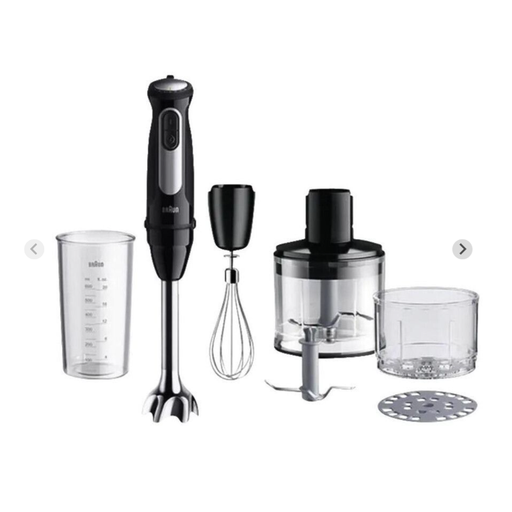 No image available
The product description lists blending as one of the hand blender’s functions.
25 speed settings and Turbo Boost; accessories are described as dishwasher-safe.
For liquid or semi-liquid ingredients, the description says to immerse the blending foot fully to prevent splashing.
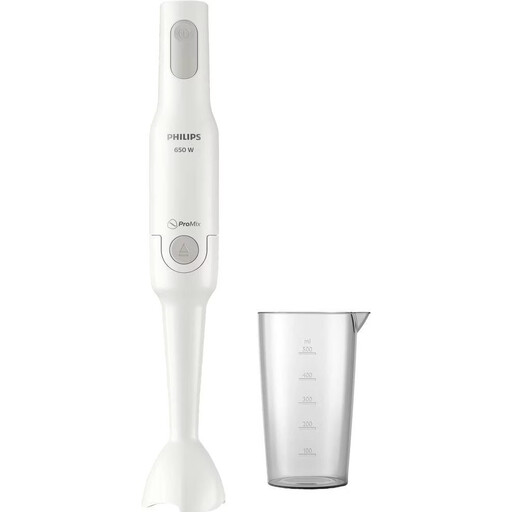 No image available
The product description mentions blending soups and includes a blending beaker.
650 W; one-button release. Removable parts are described as dishwasher-safe.
According to the description, don’t blend boiling liquids or run the appliance continuously for more than one minute.
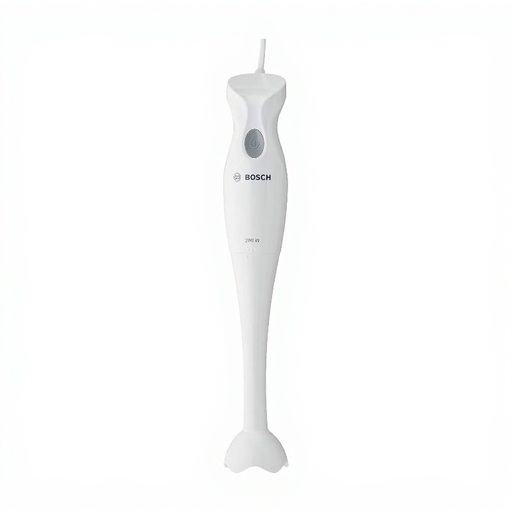 No image available
The product details list blending as a function; the instructions recommend using a tall, narrow container.
280 W; detachable blending foot and turbo button. The blending foot is described as dishwasher-safe.
The instructions advise letting hot ingredients cool slightly before blending.
 No image available
The product description mentions purées and soups, as well as a 500-ml chopper for small meals.
Two speed settings; the product name also lists an 800-ml beaker as included.
Yes. The manufacturer specifically describes the ZWILLING 36470-001-9 hand blender as suitable for blending directly in a saucepan. For another model, check the instructions and make sure your pan is suitable.
The German Federal Institute for Risk Assessment recommends cooling hot food quickly to below 7 °C for longer storage, keeping perishable foods in the fridge at between 2 °C and 7 °C at most, and keeping them chilled when you’re out and about. Whether you can do this during transport depends on how you store your lunchbox.
When you buy from a trader in the EU, you have a statutory guarantee of at least two years from the date you receive the goods, in addition to any voluntary manufacturer’s guarantee. A manufacturer’s guarantee has its own terms and conditions, so check which parts it covers. Information about EU consumer rights is from Your Europe, the European Union’s information service.