Cooking without a hob
If you want to make soup during a kitchen renovation, first check that there’s a stable surface and a suitable power socket where you plan to use the appliance.


During a kitchen renovation, an electric multi-cooker with a specified cooking function may be one way to make pea soup without a hob. First decide whether you want to cook under pressure or without pressure, then check the space available, usable capacity, and the filling and operating instructions for the specific model. The stated pot capacity and usable capacity are not the same.
If you want to make soup during a kitchen renovation, first check that there’s a stable surface and a suitable power socket where you plan to use the appliance.
If you want to cook several portions at once, compare the stated usable capacity and filling instructions for the specific model, rather than relying on the pot’s capacity in litres alone.
If you’re considering pressure cooking, find out about pressure release, cleaning and compatible spare parts for the exact model before choosing one.
A good choice if: You want to cook without a hob and specifically want a pressure-cooking function. Rommelsbacher lists this for the MD 1000 MeinHans, as does Tefal for the Turbo Cuisine CY7548.
Consider: Pressure needs to build up and then be released safely; the programme time is not necessarily the total time before you can open the appliance.
A good choice if: You’d prefer to cook without pressure during the renovation. For the MD 1000, Rommelsbacher lists cooking without pressure and pressure cooking as separate options.
Consider: Pressure-cooking times can’t be used as cooking times for cooking without pressure, so check the functions and settings of the specific model.
First check that the appliance can be used safely in your temporary cooking space. Then consider the amount of soup you want to make, the cooking method you prefer, and how easy it is to clean and find spare parts.
| What matters | What to check before buying | Who should pay particular attention? |
|---|---|---|
| A safe spot and steam clearance | Check for a stable, level surface, a suitable power socket and clear space for escaping steam; follow the appliance’s placement and cable instructions. | If you need to cook in a temporary space during your renovation, you’ll want to be able to handle the appliance and steam safely. Around 33 % of consumers put safe operation in the cooking area first. |
| Usable soup capacity | Compare the usable capacity with the number of portions you plan to make, and also check the filling limit for the specific model and recipe. | If you want to make several portions at once, the amount you can actually cook is what matters. Around 27 % of consumers say the amount of soup they can make is their main consideration when buying. |
| Cooking under or without pressure | Check the listed functions and the instructions for the full cooking process; don’t use pressure-cooking times for cooking without pressure. | If you prefer a particular cooking method during your renovation, you’ll want to know in advance what steps it involves. Around 20 % of consumers prioritise a cooking method that suits them. |
| Cleaning and spare parts | Check the cleaning instructions and whether the inner pot can be removed; when looking for spare parts, match the exact model or reference number. | If you plan to use your multi-cooker regularly, you’ll want to be able to clean the pot easily and find the right spare parts. Around 20 % of consumers prioritise ease of care and spare-part compatibility. |
Manufacturers’ capacity figures show why the number of litres alone isn’t enough: Rommelsbacher lists a 6-litre pot and 4 litres of usable capacity for the MD 1000; Tefal gives the CY7548 a capacity of 5,0 litres and a usable capacity of 3,2 litres. These are manufacturers’ figures, not the results of a shared test establishing how much pea soup each model can hold. Also check your model’s instructions and filling guidance.
The stated pot capacity and usable capacity may differ. The amount you can cook under pressure also depends on the instructions for the specific model and the recipe.
Plan your portions using the usable capacity, and check the fill markings and model- and recipe-specific guidance before cooking.
Cooking without pressure and pressure cooking are different operating modes. The term ‘multi-cooker’ alone doesn’t confirm that an appliance has a pressure-cooking function.
Read the list of functions for the specific appliance and decide which mode you want to use during your renovation.
Pressure needs to build up and be released as well as the pressure-cooking programme running. The user manual for each model treats pressure release and opening the appliance as separate steps.
Allow time for the full process and follow the instructions for the appliance you’ve bought when releasing the pressure.
A seal designed for one appliance family won’t necessarily fit every model variant. Manufacturers list compatible spare parts by specific appliance or reference numbers.
Before choosing a spare part, check the full appliance identification against its compatibility details.
The MD 1000 MeinHans is worth considering if you want to compare cooking with and without pressure cooking.
The Turbo Cuisine CY7548 is worth considering if you want to compare a specified fast-cooking function and a stated usable capacity.
The Cook4Me+ CZ7101 is an option if you’re looking for guided recipes and a specifically listed pressure-cooking programme.
The Duo appliance range may appeal to buyers who want to follow operating and pressure-release instructions in German.
The following Joybuy options are electric multi-cookers with specified pressure-cooking functions. Compare the listed functions and capacity figures with the amount of soup you plan to make and the cooking space available.
 No image available
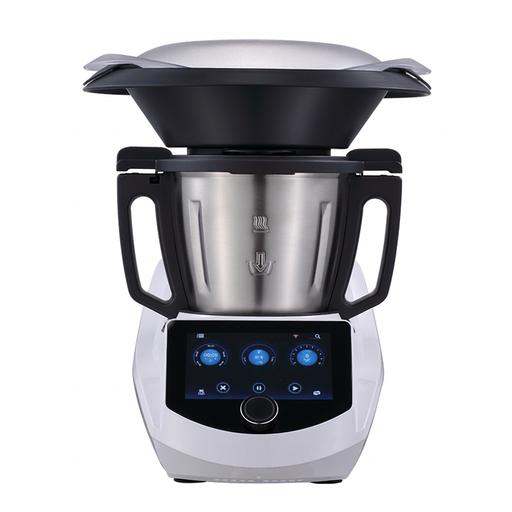
The product description lists pressure cooking and stews among its uses; slow cooking, steaming and searing are also included.
The description mentions a colour display and step-by-step cooking instructions.
 No image available
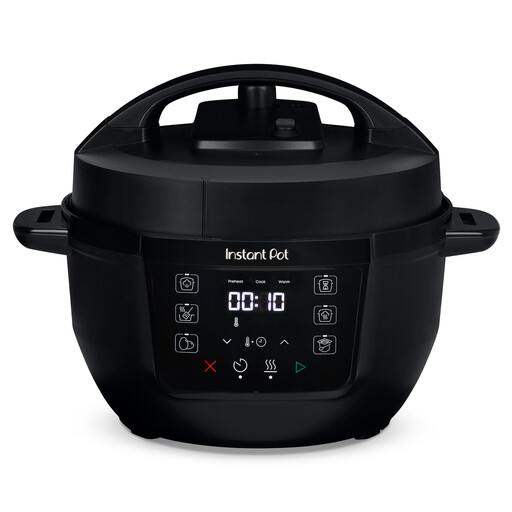
The product description lists pressure cooking, slow cooking, searing and keeping food warm.
It has a stated capacity of 3,8 litres and makes up to four portions. The inner pot, lid and accessories are described as dishwasher-safe.
 No image available
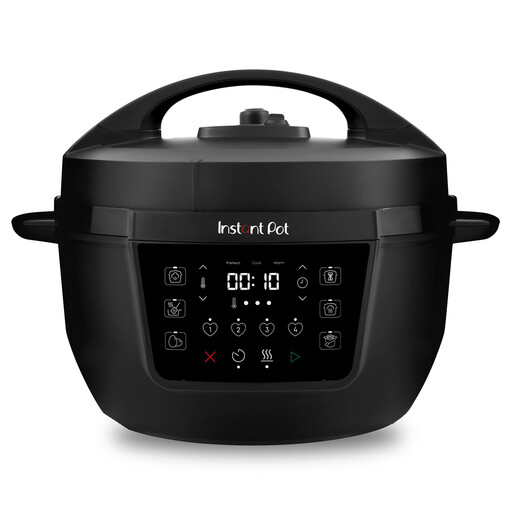
The product description lists programmes for soups and stews, as well as pressure cooking.
It has a stated capacity of 7,1 litres and makes up to eight portions. The stainless-steel inner pot and lid are described as dishwasher-safe.
 No image available
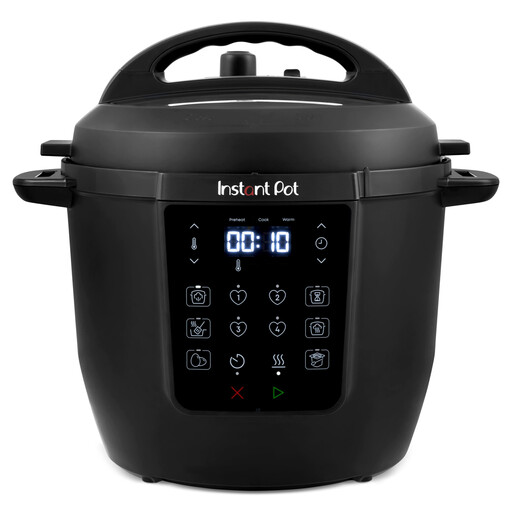
The product description lists pressure cooking and pressure-cooked stews among its uses.
It has a stated capacity of 5,7 litres and is suitable for up to six people. The lid and stainless-steel inner pot are described as dishwasher-safe.
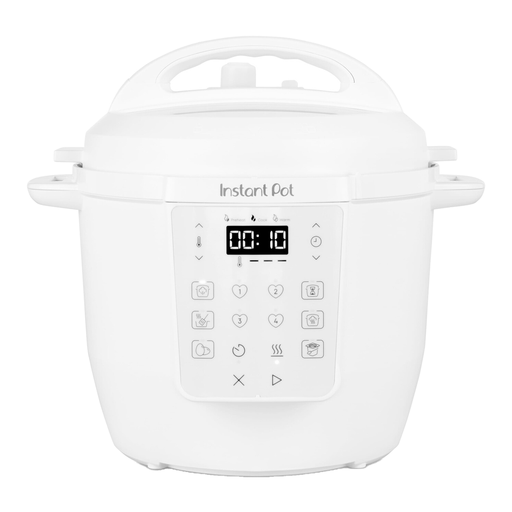 No image available
The product description lists pressure cooking, slow cooking, searing and steaming.
It has a stated capacity of 5,7 litres and is suitable for up to six people. The lid and stainless-steel inner pot with anti-spin feature are described as dishwasher-safe.
No. Check that the surface and power socket are suitable for the specific model, and leave a clear path for hot steam. Also follow the instructions on positioning the appliance and its cable; the Rommelsbacher MD 1000 manual warns against damaged cables and hot steam.
Follow the instructions for the exact model, and never force a pressure cooker open before the pressure has been fully released. The Instant Pot Duo instructions explain how to release the pressure and open the appliance for the models they cover, not every appliance.
Check the full appliance and spare-part reference rather than relying on the pot size alone. For its 5,7-litre sealing ring, Instant Pot lists specific compatible product numbers; Tefal also lists spare parts by appliance and reference number.
No. According to the EU’s Your Europe information, the manufacturer uses the CE mark to declare that the product meets the relevant EU product rules. Which rules apply to a specific appliance must be assessed on a product-by-product basis.
The German Federal Institute for Risk Assessment lists peas as an exception to many other pulses because they contain only small amounts of lectins. This doesn’t replace a suitable recipe or the multi-cooker’s instructions.