
Same-day & Next-day Delivery

Quality Guaranteed

Unlock Your Welcome Offers: FREE Delivery | Up to 80% OFF | Free 30-day JoyPlus trial
Download the APP
A chilled peach drink can be the perfect thirst quencher, but the ever-expanding selection in stores often makes the decision complicated. Not every product that features a juicy fruit on its label delivers a premium taste experience. Many consumers only realise after purchase that their drink doesn't meet their expectations. To help you navigate the options, we'll highlight the most common pitfalls and show you which features to look out for.
The three most common problems when buying peach drinks are:
To ensure you find the right peach drink for your taste, you should check three core parameters. These objective criteria will help you assess product quality, regardless of marketing promises.
The most important piece of information on the packaging is the fruit juice content. This value, given as a percentage, separates high-quality products from flavoured sugar water. In the EU (and Germany specifically), there are clear legal definitions:
Therefore, always check the ingredients list and the product name to understand what you are really buying.
A close look at the ingredients list reveals a lot about the character of the drink. Pay attention to the order of the ingredients—what is listed first is present in the largest quantity.
Peach drinks come in many varieties. Consider what you need the drink for to make the right choice.
Here are some recommendations tailored to different needs and taste preferences.
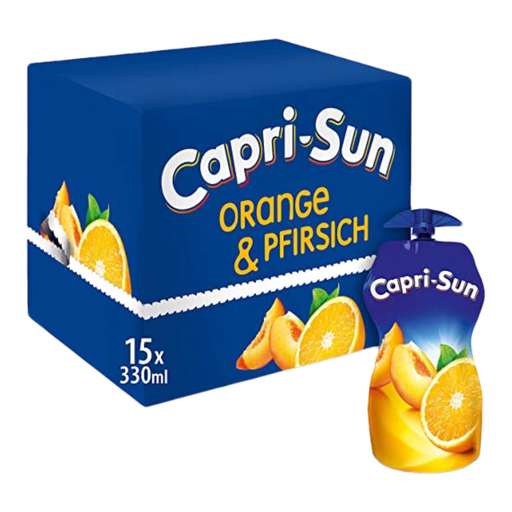
Why This Fits Their Persona: Ideal for anyone looking for a practical and proven solution for lunch boxes or days out. The peach drink pouch is a hassle-free companion popular with both kids and adults. Plus, the bulk pack offers excellent value for money.
The product is transparently labelled as a fruit juice drink and clearly states the juice content (5% each of orange and peach). This way, buyers know they are getting a refreshing drink, not pure juice.
Convenient, lightweight packaging; fortified with Vitamin C; a classic taste that appeals to many.
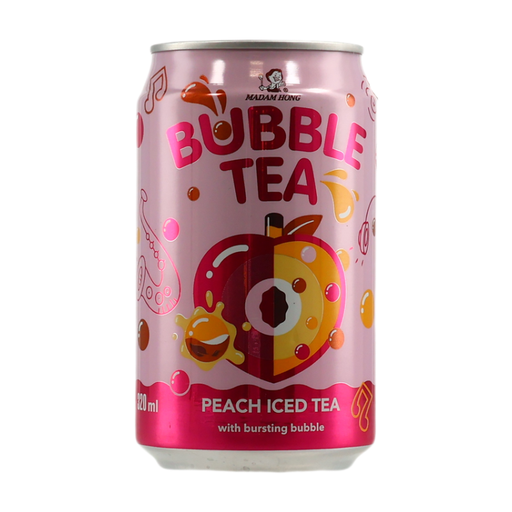
Why This Fits Their Persona: Perfect for anyone who wants to experience the peach bubble tea trend without visiting a café. This ready-to-drink beverage combines fruity oolong tea with the fun of popping bobas, specifically targeting a young, adventurous audience that appreciates Asian drinks.
The ingredients list is detailed, specifying the juice content (10% peach, 10% apple) and the exact composition of the popping bobas. It clearly communicates that this is a sweetened tea drink with a fruit experience.
Ready-to-drink bubble tea experience; combination of oolong tea and fruity bobas; unique texture.
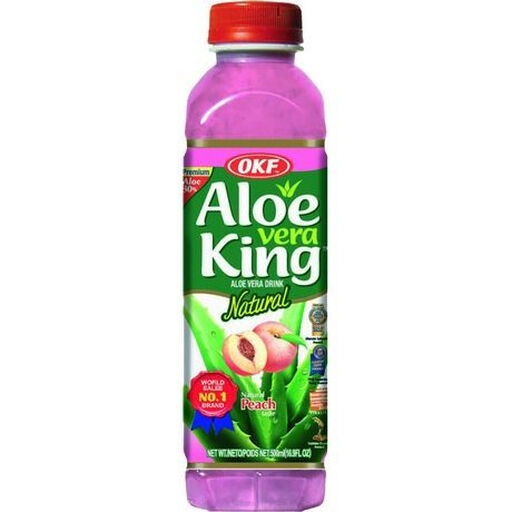
Why This Fits Their Persona: This drink is for those who want more than just liquid. The combination of sweet peach flavour and the soft, chewy pieces of real aloe vera gel provides a unique mouthfeel. It's a great choice for consumers looking for an aloe vera peach drink with substance.
The product description is very precise, stating the content of organic aloe vera juice (22%) and aloe vera gel (8%). This creates transparency about what creates the special texture and avoids vague promises.
Contains real aloe vera pieces for an interesting texture; refreshing peach flavour; available in a bulk pack.
We've compiled a complete, up-to-date list of products that fully meet these strict selection criteria.
1. How should I store peach drinks to maintain freshness? Unopened bottles, cans, or pouches should be stored in a cool, dry place away from direct sunlight. Once opened, most drinks should be refrigerated and consumed within a few days, as indicated on the packaging, to prevent loss of flavour and bacterial growth.
2. What's the difference between a peach nectar and a peach iced tea? The main difference lies in their composition and purpose. A peach nectar is a fruit juice drink with a legally required minimum fruit content of 50%. It is thicker and focuses primarily on the fruit flavour. A peach iced tea is a tea-based soft drink. Its fruit content is usually much lower, and the taste is defined by the combination of tea and peach flavourings.
3. Are Asian peach drinks sweeter than European ones? There's no one-size-fits-all answer. The flavour profile can vary greatly. Some Asian beverages, like certain types of tea, are known for their subtle and balanced sweetness. Others, especially lemonades or special juice blends, can certainly be sweeter than their European counterparts. Checking the sugar content per 100 ml on the nutritional information label is the most reliable way to objectively compare sweetness.