Cooking for a group
If you’re making peach purée to share, the total amount you need should fit within the appliance’s usable capacity.


A countertop blender is a good choice for making peach purée to share, provided the amount you plan to make fits within its stated usable capacity. A hand blender is an alternative if you’d rather blend directly in a suitable container. A small smoothie blender is designed more for individual portions, so you may need to blend in several batches. Compare the usable capacity, cleaning requirements and instructions for the specific model before you decide.
If you’re making peach purée to share, the total amount you need should fit within the appliance’s usable capacity.
If you want as few parts as possible to clean after your meal, compare the blending foot, jug and removable blade unit, and check the cleaning instructions.
If a compact appliance is important, a personal blender could be a good option. However, you may need to blend several batches to make enough for a group.
First, decide how much purée you want to make at once. Then compare the consistency controls, cleaning requirements and space needed, using the specifications for the model you’re considering.
| What matters | What to check | Who this matters most to |
|---|---|---|
| Amount per batch | Compare the total amount you plan to make with the stated usable capacity. Philips lists a usable capacity of 1.25 l and a maximum capacity of 2 l for the HR2191/01; Tefal lists a container capacity of 1.75 l for the BL4358. | If I’m making purée for a group, I want to know whether it will all fit in one batch. That’s why around 36% of consumers put the right amount per batch first. |
| Consistency | Check the speed settings, pulse function and instructions for processing soft fruit in the manual for the specific model. Settings alone don’t guarantee a particular peach texture. | If an even consistency matters to me, I look at the controls without assuming they’ll guarantee a particular result. Around 29% of consumers prioritise their preferred purée consistency. |
| Cleaning | Check the specifications for the exact model to see which parts are removable or dishwasher-safe, and how to clean the blade unit. | After sharing a meal, I want to keep washing-up manageable and know which parts need cleaning. Cleaning requirements are the top priority for around 21% of consumers. |
| Space needed | Compare the appliance’s dimensions and container with the space available on your worktop or in your cupboard. Also check the amount it can blend per batch. | If my kitchen is short on space, I can plan to make several batches for a group. Around 14% of consumers prioritise the space available on their worktop. |
For the Philips HR2191/01, the manufacturer distinguishes between a maximum capacity of 2 l and a usable capacity of 1.25 l. When planning batches, use the stated usable capacity.
Check the permitted fill level for the specific model before deciding whether one batch will be enough to share.
If you can’t fit the amount you plan to make into one batch, you may need to blend more batches and transfer the purée between containers.
Braun’s cited comparison for finer results relates to almond milk and doesn’t demonstrate a particular consistency for peach purée.
Use information about speeds and attachments as a guide, and check the instructions for processing soft fruit. This won’t guarantee a particular texture.
Braun’s instructions for the potato masher attachment described here apply specifically to that attachment: it shouldn’t be used to mash hard or raw foods, and fruit should be cooked first.
Don’t assume the same instructions apply to a standard blending foot. Follow the manual for the attachment you intend to use.
According to Braun, using the attachment incorrectly may damage it.
MultiQuick hand blenders are designed for blending in a separate container.
The HR2191/01 countertop blender could be worth considering if you want to make a planned batch.
The Blendforce 2 BL4358 is a countertop blender with a glass jug, offering a jug-based approach.
The KÜCHENminis Smoothie-to-go is designed for compact, single-serve blending.
The options below include countertop blenders for making purée in a blending container, as well as a hand blender for preparing it in a suitable container.
Remove the stones from the peaches before blending. The parts that come into contact with food must meet the requirements of Regulation (EC) No 1935/2004 for the specific appliance; the European Commission explains these requirements. Where CE marking is required, the manufacturer uses it to declare conformity with the applicable EU product rules, as explained by the European Union’s Your Europe website. CE marking isn’t an independent quality mark and, on its own, doesn’t prove that every material is suitable for every temperature or use. Check the information for the specific model.
 No image available
The blending jug is an option if you want to make peach purée in a countertop blender.
Joybuy’s product information lists a 1,500 ml blending jug, a 600 ml travel bottle and a 300 ml chopper bowl. It also specifies two speeds, a pulse function and six stainless steel blades.
The specifications describe the parts as BPA-free and dishwasher-safe; check which parts this applies to for the specific model. Remove the stones from the peaches before blending.
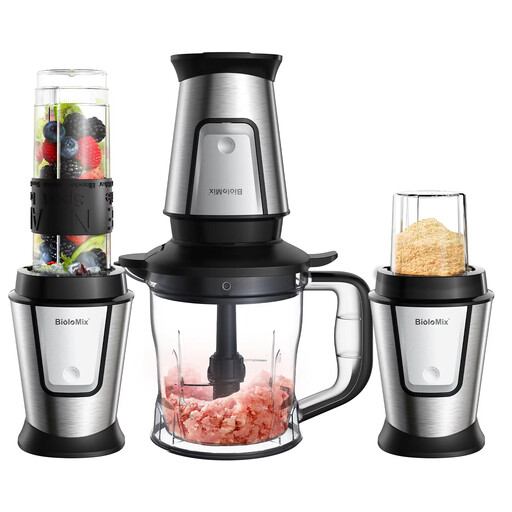 No image available
This multifunctional blender could be a good choice if you want to make purée in a blending container.
Joybuy’s product information lists 700 W, 24,000 rpm, stainless steel wave blades, a container described as food-grade and a safety lock.
The specifications also list one-button operation. Remove the stones from the peaches before blending.
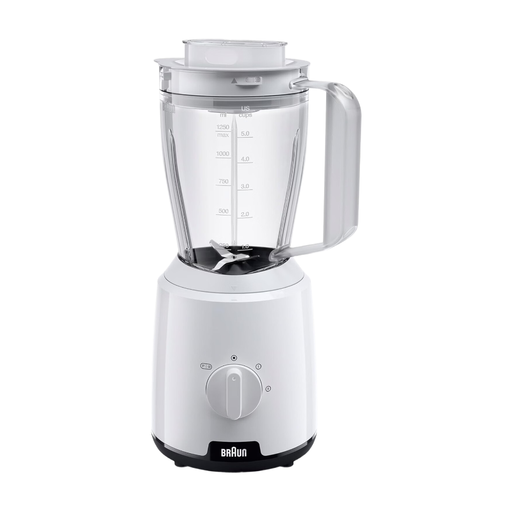 No image available
This countertop blender is an option if you want to make peach purée in the blending jug.
Joybuy’s product information lists a 1.5 l blending jug, 600 W, two speeds and a pulse function.
The description lists removable, dishwasher-safe parts. It also says not to run the appliance for more than two minutes at a time and to let the motor cool between cycles. Remove the stones from the peaches before blending.
 No image available
This countertop blender could suit you if you want to make a planned portion in the container.
Joybuy’s product information lists 600 W, a 1.5 l container and three speed settings.
The description says the appliance can be taken apart for cleaning. Remove the stones from the peaches before blending.
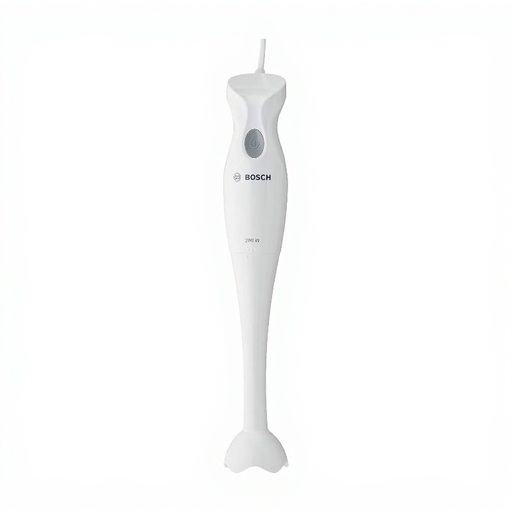 No image available
This hand blender is an option if you want to make peach purée directly in a suitable tall, narrow container.
Joybuy’s product information lists 280 W, a removable blending foot with stainless steel blades and a turbo button. The blending foot and accessories are described as dishwasher-safe.
The description advises letting hot ingredients cool slightly before blending. Remove the stones from the peaches before blending.
Remove the stones before blending. You don’t necessarily need to peel the peaches, but wash them thoroughly if you’re leaving the skin on. Peeling may be worth considering if you’re aiming for a particularly smooth texture.
For the potato masher attachment described by Braun, the manufacturer’s instructions say not to mash hard or raw foods and to cook fruit first. Don’t assume these instructions apply to a standard blending foot; follow the manual for the specific attachment.
This depends on the model and attachment. Braun describes certain MultiQuick 5 attachments as dishwasher-safe and refers users to the instruction manual for details. Check the manual for your exact model.
Compare the total amount you plan to make with the stated usable capacity, not just the maximum container capacity. For example, Philips lists a usable capacity of 1.25 l and a maximum capacity of 2 l for the HR2191/01.
Parts that come into contact with food must meet the requirements of Regulation (EC) No 1935/2004. Electrical appliances must comply with the applicable EU product rules; where CE marking is required, the manufacturer uses it to declare conformity. The European Commission and the European Union’s Your Europe website explain these requirements. CE marking isn’t an independent quality mark and, on its own, doesn’t prove that a material is suitable for every temperature or use.