What to look for when buying
First compare the blender’s footprint and height in the form you’ll actually use it. Then make sure the capacity suits your usual portion.
| Criterion |
What to check before buying |
Who should pay particular attention |
| Footprint and storage |
Compare the dimensions of the specific model, including the space needed with the cup in place. |
If worktop space is tight, I want to check the width, depth and height with the container fitted before buying. Roughly 40% of consumers put footprint first. |
| Portion size and taking it with you |
Check the usable fill markings, number of cups and drinking lid for the specific version. |
If I want to take my smoothie with me, the cup needs to hold my portion and close securely. Around 30% of consumers prioritise portion size and portability. |
| Frozen ingredients |
If you’re using frozen peaches, check the manufacturer’s explicit guidance and the instructions for the complete model. |
If I use frozen peaches, I want to rely on approval for the specific model rather than its wattage. Around 20% of consumers put frozen ingredients first. |
| Cleaning |
Read the care instructions for the cup, lid, seal and blade assembly separately. |
If I blend frequently, I want to know in advance how to clean the cup and blade assembly. Around 10% of consumers prioritise easy cleaning. |
Blenders at Joybuy
The Joybuy options below are portable personal blenders for making individual smoothies. Compare their capacity, dimensions and usage guidance with your recipe and the space available.
 No image available
Ninja BlendBoss Portable Blender with Travel Cup
For making a single portion in a travel cup to take with you.
710 ml; three pre-set automatic modes; removable parts are listed as dishwasher-safe in the description.
According to the description, the lid is leakproof only when fitted securely and locked in place.
View at Joybuy
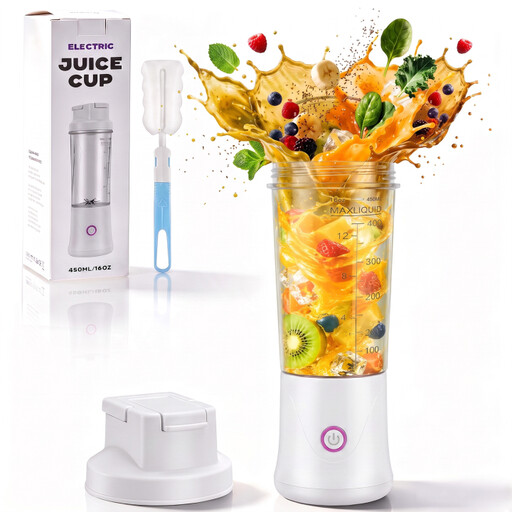 No image available
Portable Blender, 652 ml, Six Blades
For making a single portion in the blending cup and taking it with you using the lid.
652 ml; six blades.
The product description recommends cutting ingredients into smaller pieces and not overfilling the container. It should be kept upright when carried.
View at Joybuy
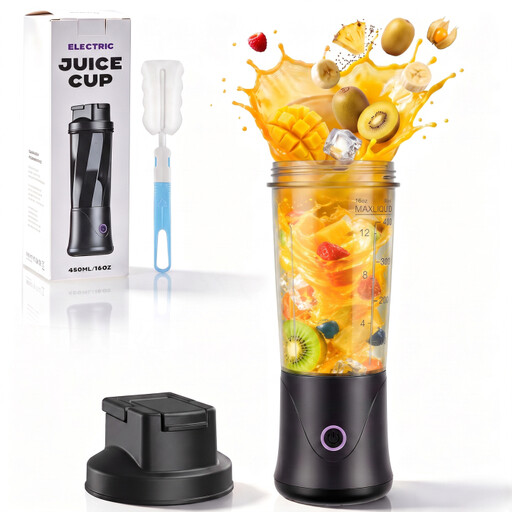 No image available
Portable Blender, 400 ml, Six Blades
For blending a single portion directly in the cup.
400 ml; six stainless steel blades.
The description recommends cutting ingredients into smaller pieces and adding enough liquid for blending.
View at Joybuy
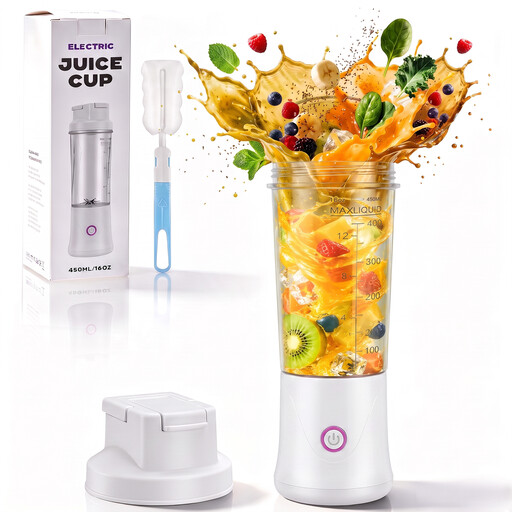 No image available
Portable Blender for Smoothies and Shakes
For a single portion blended in the cup and drunk straight from it.
The product description recommends cutting ingredients to size and following the stated blending time.
View at Joybuy
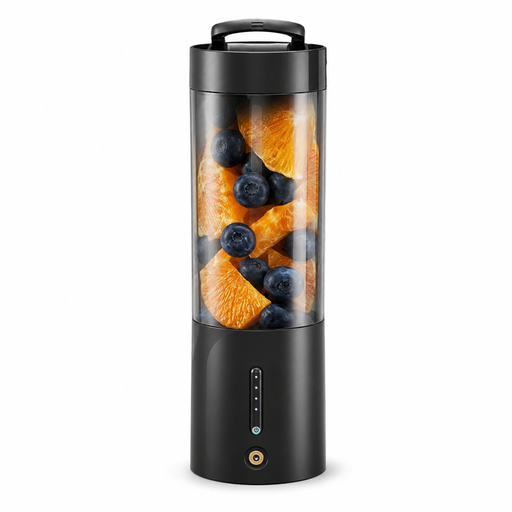 No image available
Portable Smoothie Maker, 450 ml
For a single portion when you need a portable appliance and a container for taking it with you.
450 ml; six stainless steel blades; magnetic charging port.
For hard ingredients, the description recommends cutting them into small pieces and adding extra liquid.
View at Joybuy
Frequently asked questions
How do I choose between a personal blender and a jug blender?
For one portion and limited worktop space, compare the cup size and appliance dimensions of a personal blender. If you want to make several glasses in one go, check the usable capacity of a jug blender and make sure the appliance and jug will fit on your worktop.
Can I blend frozen peaches or ice?
Only if the details for the specific model and its instructions say those ingredients are suitable. Bosch lists frozen fruit for the MMB2111S; nutribullet says the Pro NB907CP can crush ice. This doesn’t mean other models are suitable, or that you can use any quantity.
What should I bear in mind when cleaning?
Clean the parts that come into contact with food after use, and follow the care instructions for each component. The Bosch MMB2111S listing says that certain parts are dishwasher-safe; this doesn’t mean the whole appliance, including the motor base, can go in the dishwasher.
What happens if there’s a fault, and what about an extended warranty?
When you buy from a trader in the EU, you’re generally entitled to a minimum two-year legal guarantee from the date you receive the goods. A voluntary guarantee is additional and cannot replace your legal rights; if there’s a fault, you should generally contact the seller. This information relates to EU rules on the sale of goods.
What requirements apply to blenders sold in Germany?
Parts that come into contact with food must comply with the relevant EU rules, in particular Regulation (EC) No 1935/2004, as explained by the European Commission. CE marking is required only when harmonised EU rules that require it apply to the specific product; it isn’t a general quality mark. This doesn’t establish whether an individual product listing is compliant.


