Blenders for making batches
If you’re blending several portions of peach smoothie in a row, check the jug’s usable capacity and how easy the parts are to clean. For example, Bosch lists a usable capacity of 2 litres for the VitaPower MMB6762M.


For making several peach smoothies at once, choose a jug blender with enough usable capacity. For single, freshly blended portions, a smoothie maker with a blending bottle may be more convenient. If you want to blend frozen peach pieces, check that the specific model is suitable, read its instructions and consider how easy it is to clean.
If you’re blending several portions of peach smoothie in a row, check the jug’s usable capacity and how easy the parts are to clean. For example, Bosch lists a usable capacity of 2 litres for the VitaPower MMB6762M.
If you freeze peach pieces before blending them, check the manufacturer’s guidance on frozen ingredients and how to handle them. Bosch says the MMB6762M comes with a tamper for frozen and thick mixtures.
If you usually make just one drink, a blender with a blending and drinking bottle can be handy. However, a bottle isn’t automatically suitable for freezing. The German Federal Centre for Nutrition recommends using containers labelled as freezer-safe.
First decide whether you’ll be blending fresh or already frozen peaches. Then consider batch size, cleaning and how easy it is to prepare individual portions.
| What to look for | What to check | Who should consider it? |
|---|---|---|
| Usable jug capacity | Compare the usable capacity with the number of portions you plan to make, not just the jug’s maximum capacity. | If I want to make several portions in one go, I need enough room in the jug. Around 36% of consumers put batch capacity first. |
| Frozen peaches | Check that the manufacturer specifically approves the use of frozen ingredients, along with any quantity limits and guidance for thick mixtures. | If I freeze peach pieces before blending, I want to know whether the specific appliance is designed for this. Around 29% of consumers prioritise blending frozen ingredients. |
| Cleaning | Check which parts can be removed or are listed as dishwasher-safe in the instructions, and how to clean the blade assembly. | If I make smoothies regularly, I want to know how easy it is to clean the parts after each batch. Around 21% of consumers look primarily for easy cleaning. |
| Single portions | Compare the blending container with what’s included, and check separately whether the storage container is suitable for freezing. | If I usually make just one drink, ease of use matters more to me than making a large batch in as few cycles as possible. Around 14% of consumers prefer smaller portions. |
For the Bosch VitaPower MMB6762M, Bosch distinguishes between a maximum jug capacity of 3 litres and a usable capacity of 2 litres. If you plan your batch based on the jug’s overall capacity, you may need to split it across several blending cycles.
Plan your portions according to the usable capacity stated for the specific model.
Calling it a drinking or blending bottle doesn’t mean the container is suitable for freezing. The German Federal Centre for Nutrition recommends using containers labelled as freezer-safe.
Check the container’s instructions or transfer the portions to containers specifically designed for freezing.
In its jug blender test, CHIP reports that higher power didn’t consistently lead to better blending results.
Check the guidance on blending frozen ingredients and the instructions for the specific model, rather than choosing on wattage alone.
The VitaPower Serie 6 MMB6762M is a jug blender suited to larger batches and thick mixtures.
The InfinyMix+ BL91HD combines a jug for larger portions with a to-go cup.
The Gourmet 6 TB6-1-6ST has programmes for smoothies and crushed ice.
According to Braun, the PowerBlend 9 JB 9040 offers a range of programmes and settings to help you achieve the texture you want.
The Mix & Go Touch is designed for individual drinks, with a blending and drinking bottle.
This selection includes jug blenders for several portions, as well as models with a listed ice-crush function if you want to blend frozen ingredients.
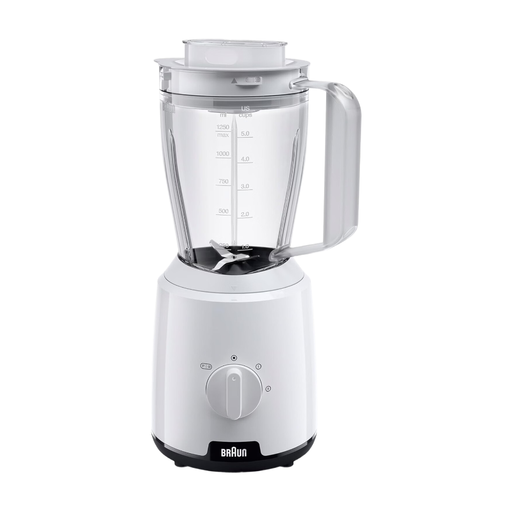 No image available
An option for smoothies with frozen ingredients and for making several portions. Follow the operating and cooling instructions.
1.5-litre blending jug, ice-crush function, 2 speeds and 600 W. According to the product information, run for no more than two minutes at a time and let the motor cool between cycles.
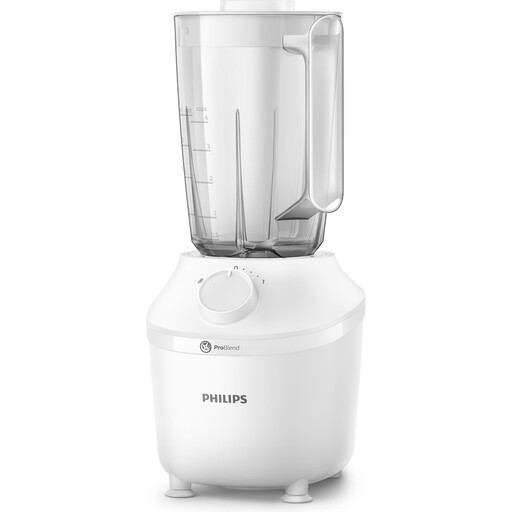 No image available
The jug’s stated usable capacity may make it a good option for several drinks. Check the instructions before blending frozen peaches.
450 W, 1.9 litres maximum capacity and 1.0 litre effective capacity; with pulse and ice-crush functions.
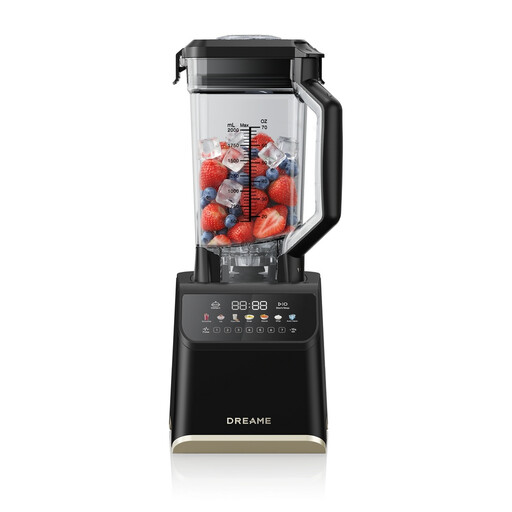 No image available
The ice programme is designed for frozen fruit. Follow the appliance’s instructions for use.
2.0-litre blending jug and an additional 700-ml Tritan cup; 9 programmes and 7 speed settings. According to the instructions, don’t blend hot liquids above 60 °C.
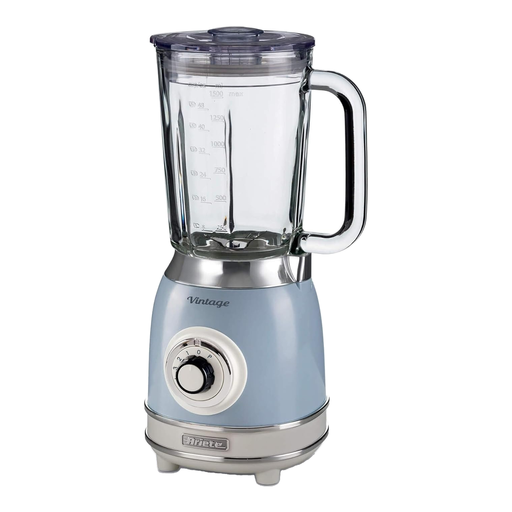 No image available
The jug is designed for several portions. However, an ice-crushing function alone doesn’t confirm that the instructions allow you to blend frozen peach pieces.
1.5-litre glass jug, ice-crushing function, 1,000 W, 4 speeds and pulse function.
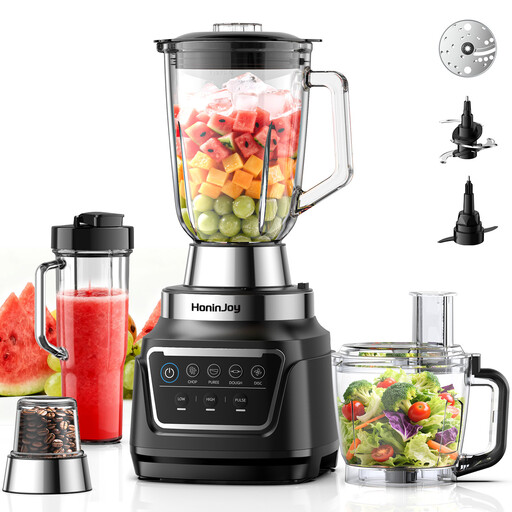 No image available
A possible choice if you’d like to use your appliance for other kitchen tasks as well as smoothies. Check the instructions for each type of ingredient.
The product name lists an ice-crushing function, as well as functions for kneading, chopping, grinding, slicing and grating.
Only if the container is specifically suitable for freezing. The German Federal Centre for Nutrition recommends using freezer bags or containers labelled as suitable, dividing food into portions and labelling each with its contents, quantity and date.
The German Federal Centre for Nutrition describes slowly defrosting fruit in the fridge as particularly gentle. Wash your hands and kitchen utensils, and clean any blender parts that come into contact with food after use. Freezing doesn’t replace good kitchen hygiene.
In Germany, materials intended to come into contact with food are subject to requirements including those set out in Regulation (EC) No 1935/2004. Under Article 3, such materials must not, under normal or foreseeable conditions of use, transfer substances to food in quantities that could endanger health, unacceptably alter its composition or affect its sensory properties. Also check that the specific product’s materials and intended use are suitable.
If a product is faulty, consumers can generally exercise their statutory rights against the seller within two years of the product being handed over or received. A manufacturer’s guarantee is separate and subject to its own terms and conditions.
No. According to the European Commission, the CE marking is required for products covered by relevant harmonised EU legislation, and the manufacturer is responsible for ensuring conformity. There is no central EU body that issues a general CE certificate.