
Lieferung heute & morgen

Qualitätsgarantie

Willkommens-Angebote freischalten: KOSTENLOSE Lieferung | Bis zu 80 % RABATT | Kostenlose 30-Tage-JoyPlus-Testphase
App herunterladen
The market for peanut bars is vast, ranging from protein-rich snacks for athletes to sweet treats for an afternoon pick-me-up. But this wide selection can make choosing the right one difficult. Many products feature health-related claims that don't always hold up under scrutiny. This guide will help you identify the key features to look for and find a bar that truly fits your needs.
Before you choose a bar, it's wise to critically examine some common marketing promises.
To find the right peanut bar, checking the nutrition label and the ingredient list is essential. Three key parameters are particularly crucial.
Sugar Content and Sweeteners: Pay attention to the "of which sugars" value on the nutrition label. A high number indicates a lot of added or naturally occurring sugar. Products with no added sugar often use polyols (sugar alcohols). These are lower in calories but can have a laxative effect if consumed in excess. The ingredient list reveals whether the sweetness comes from fruit (like dates) or from industrially produced sweeteners.
Protein Content and Source: If you're looking for a bar to support your athletic goals, the protein content should be suitably high (often over 20g per 100g). Protein sources vary widely: whey and casein protein (from milk) are common. For a vegan diet, bars with protein from soy, peas, or rice are a great alternative.
Ingredient List and Intended Use: Are you looking for a classic peanut caramel bar as an indulgent treat, or a functional peanut snack for on the go? A short ingredient list with whole-food components like whole peanuts, rolled oats, or fruit is often an indicator of minimal processing. Always check the allergen warnings, as many bars may contain traces of other nuts, gluten, or soy.
The following product recommendations are tailored to specific needs to help you make an informed decision.
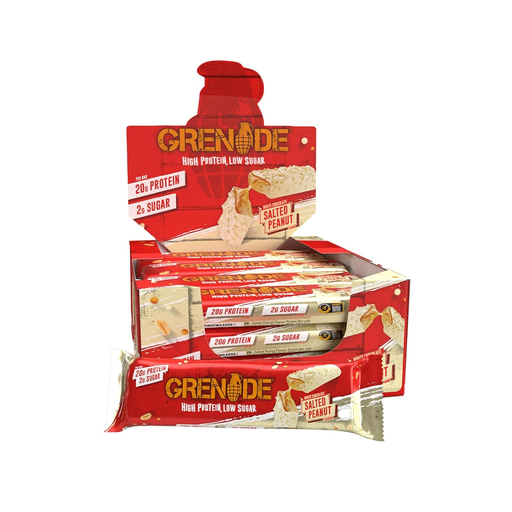
Why This Fits Their Persona: This bar is designed for high protein intake with low sugar content. It's suitable for athletes who want to support muscle recovery after a workout without consuming a lot of carbohydrates.
It bypasses the vague protein promise trap by delivering a high amount of protein (approx. 20g per 60g bar) from a blend of calcium caseinate and whey protein isolate.
High protein content with a very low sugar share. The use of sweeteners like maltitol keeps the calories from sugar low.
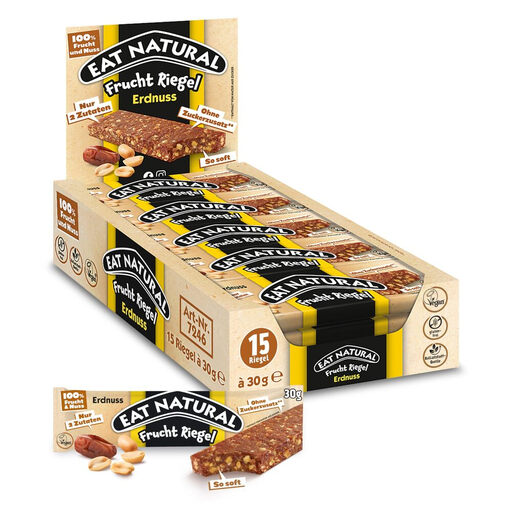
Why This Fits Their Persona: Ideal for anyone who values a short, understandable ingredient list. This bar consists only of dates and peanuts and is completely free of artificial additives, added sugar, and gluten.
This bar avoids the "health trap" through complete transparency. The sweetness comes exclusively from dates; there are no hidden sugars or syrups.
Made with just two ingredients (65% dates, 35% peanuts). It is vegan, gluten-free, and provides energy from natural sources.

Why This Fits Their Persona: This bar was specifically developed for individuals who follow a purely plant-based diet but don't want to compromise on high protein content and great taste.
It solves the challenge of finding a functional vegan protein bar that isn't just made of fruit and nuts. It delivers a significant amount of plant-based protein, making it more than just an energy booster.
Offers 15g of protein per bar from plant-based sources (soy, wheat). It is made with no added sugar and is palm oil-free.
We have compiled a complete, up-to-date list of products that fully meet these strict selection criteria.
What's the difference between a protein bar and a peanut granola bar? The main difference lies in their primary purpose. A protein bar is designed to deliver a high percentage of protein to support muscle recovery and growth. A peanut granola bar typically serves as an energy source and often contains more carbohydrates and fibre from cereal flakes like oats.
Are peanut bars with no added sugar always the better choice? Not necessarily. These bars often contain sugar substitutes (polyols) like maltitol or xylitol. While they have fewer calories than sugar, they can cause digestive issues in sensitive individuals or when consumed in excess. It's wise to also consider the total fat and calorie content and check if the ingredients align with your personal preferences.
How can I identify a high-quality peanut bar? A look at the ingredient list is crucial. A shorter list with recognisable, minimally processed ingredients like peanuts, rolled oats, or dates is often a good sign. Also, compare the protein content to the sugar content. A balanced ratio that fits your dietary goals indicates a well-designed product.