
Lieferung heute & morgen

Qualitätsgarantie

Willkommens-Angebote freischalten: KOSTENLOSE Lieferung | Bis zu 80 % RABATT | Kostenlose 30-Tage-JoyPlus-Testphase
App herunterladen
The combination of chocolate and peanut butter is built on an interplay of sweet and salty flavour profiles and diverse textures. Selecting the right product depends on the specific characteristics of the chocolate, the nature of the peanut cream filling, and the presence of any additional ingredients. This guide analyses the key features and presents a selection of products based on their specifications.
Evaluating peanut butter chocolate can be done using objective criteria. These parameters help you find a product that matches your individual preferences.
The type of chocolate used is a fundamental component. Milk chocolate is typically used, offering a sweeter and creamier taste due to its higher milk content and lower cocoa percentage. Products with dark chocolate are less common and are characterised by a more intense cocoa flavour and less sweetness, creating a stronger contrast to the salty peanut filling. The cocoa content, often stated as a percentage, is an indicator of the chocolate's flavour intensity.
The filling primarily varies in its consistency:
Some products expand the flavour profile with additional ingredients. These include:
The format is relevant to the intended use:
The following selection is based on an analysis of product specifications and the combination of different features.
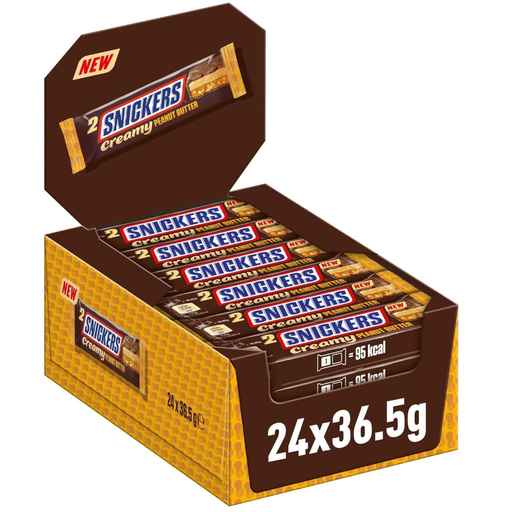
Why We Feature This Product: This peanut butter chocolate bar combines multiple textures in one product. It contains a layer of creamy peanut butter (32%), caramel (24%), and peanut pieces (8.1%), all coated in milk chocolate (35%). The large pack with 24 individual bars specifically addresses the need for stocking up.
Pros:
Who It's For: This product is suitable for consumers who prefer a multi-layered texture and value more than just the simple combination of chocolate and peanut cream. The pack size is ideal for families, office communities, or for stocking up.
View Product: Snickers Creamy Peanut Butter Chocolate Bars
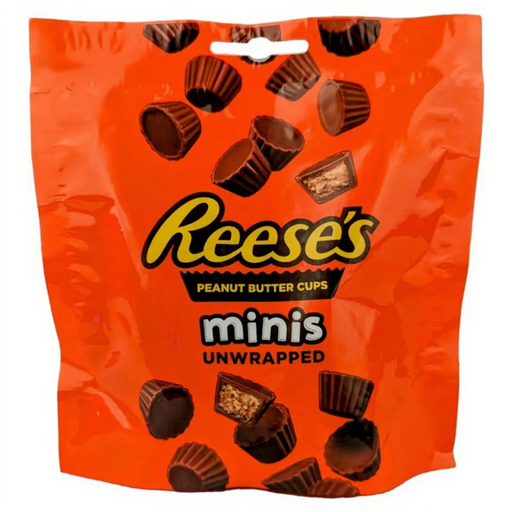
Why We Feature This Product: Reese's Cups are a well-known example of American candy and are distinguished by a high ratio of filling to chocolate shell. The "Minis" version offers the classic flavour combination in a bite-sized format. The filling consists of a salty-sweet peanut butter cream (32%).
Pros:
Who It's For: Ideal for lovers of the classic sweet-and-salty taste who want the peanut butter component to be the main focus. The mini size is practical for controlled indulgence, sharing, or for creative applications in the kitchen.
View Product: Reese's Peanut Butter Cups Minis
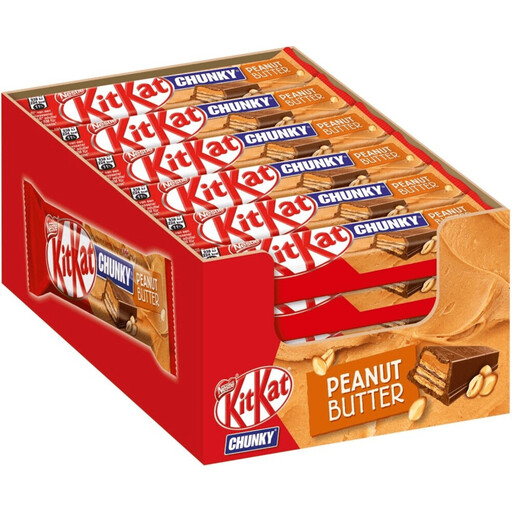
Why We Feature This Product: The KitKat Peanut Butter bar integrates a crispy wafer (19.2%) as its unique selling point. The combination of milk chocolate (61.8%), peanut butter (19%), and wafer creates a distinct textural experience. The "Chunky" format provides a substantial bar, and the family pack contains 24 units.
Pros:
Who It's For: This product is aimed at consumers who appreciate a crunchy texture and are looking for an alternative to purely creamy or nutty fillings. The bulk pack is designed for regular use in households or at the workplace.
View Product: KitKat Chunky Peanut Butter Bar Family Pack
The products featured cover various combinations of texture, shape, and pack size. If these specific configurations do not meet your needs, a wider range of products is available. This includes different types of chocolate, filling ratios, and packaging formats. You can find an overview of other variations in our Chocolate Butter category.
1. What factors determine the quality of peanut butter chocolate? Quality can be assessed based on several technical characteristics. These include the cocoa content in the chocolate, the quality of the fats used (e.g., cocoa butter instead of palm fat), the percentage of peanuts in the filling, and the absence of artificial flavours. Freshness, indicated by the best-before date, is also a relevant factor.
2. How does American peanut butter chocolate differ from European versions? American candy like Reese's often features a sweeter and saltier peanut butter filling. The recipes frequently use dextrose and a higher sugar content. European versions, such as the Snickers Peanut Butter or KitKat Peanut Butter produced for the local market, are often more subtle in taste and more focused on the balance between components.
3. How do I properly store bulk packs of candy? To maintain product quality over a longer period, bulk candy packs should be stored in a cool, dry place, ideally at a constant temperature between 15 and 18°C. Direct sunlight and significant temperature fluctuations should be avoided, as they can lead to fat bloom (a harmless but unsightly grey coating) on the chocolate. Airtight storage after opening the outer packaging protects against moisture and foreign odours.