
Lieferung heute & morgen

Qualitätsgarantie

Willkommens-Angebote freischalten: KOSTENLOSE Lieferung | Bis zu 80 % RABATT | Kostenlose 30-Tage-JoyPlus-Testphase
App herunterladen
The combination of roasted peanuts, creamy caramel, and chocolate is a timeless classic. However, the market for peanut caramel bars has become overwhelming. Navigating between traditional candy bars and specialised fitness products reveals several pitfalls that can lead to a disappointing purchase. This guide will help you identify the key features to look for and find a bar that truly fits your needs.
Manufacturer claims often sound tempting, but not every bar delivers on its packaging's promise. Pay close attention to these three points to avoid disappointment.
To find the right peanut caramel bar, you need to look beyond taste and examine its composition. These three criteria are crucial.
A look at the nutrition facts panel is essential. Compare the value for "of which sugars." A sugar-free peanut bar should have a very low number here. At the same time, check the line for "of which polyols" (sugar alcohols). A high value can indicate the potential for the digestive issues mentioned earlier. Products that rely on sweeteners like sucralose or stevia often bypass this problem but may have a distinct aftertaste.
For a true peanut caramel protein bar, the protein content should be at least 20 grams per 100 grams. The protein source is also relevant:
Ingredients are listed in descending order by weight. If sugar, glucose syrup, or fillers are at the top of the list, you're looking at what is primarily a candy bar. In a high-quality bar, peanuts, a protein source, or cocoa components should appear near the beginning. A classic chocolate bar with peanut and caramel will naturally contain more sugar, but even here, the peanut content should be substantial enough for an authentic taste experience.
Instead of a one-size-fits-all recommendation, we're showcasing products tailored to specific needs.
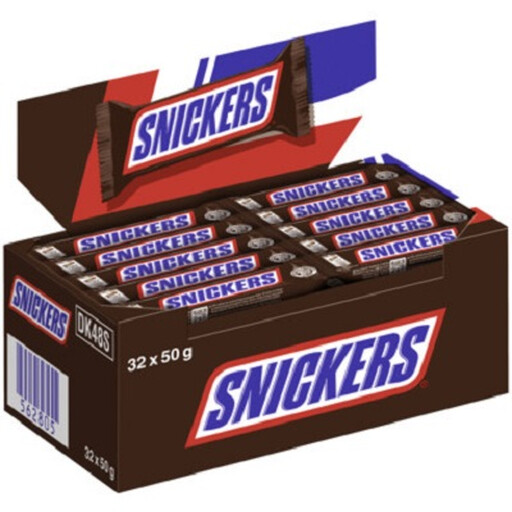
Why This Fits Their Persona: Ideal for anyone seeking the unadulterated, sweet and salty taste of a traditional chocolate bar. This is about pure indulgence without focusing on nutritional compromises.
This product doesn't pretend to be a health bar. It's an honest chocolate bar where sugar and caramel are central to the taste experience. It clearly meets expectations.
A time-tested recipe with a balanced combination of nougat, caramel, and roasted peanuts. The high sugar content provides a quick energy boost.
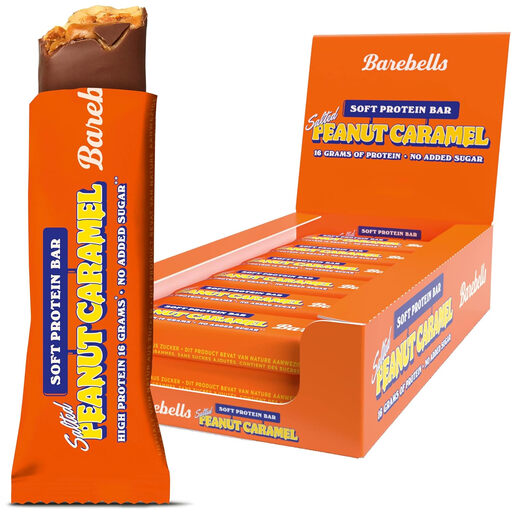
Why This Fits Their Persona: Designed for individuals who need a functional snack post-workout or as a high-protein meal replacement. The focus is on high protein content with a low sugar count.
This bar avoids the protein trap by delivering a significant 16g of protein per 55g bar (approx. 29g/100g) from milk protein and collagen hydrolysate while keeping the sugar content extremely low.
High protein content to support muscle growth. Low in sugar and palm oil-free. Its soft texture is considered a major plus by many users.
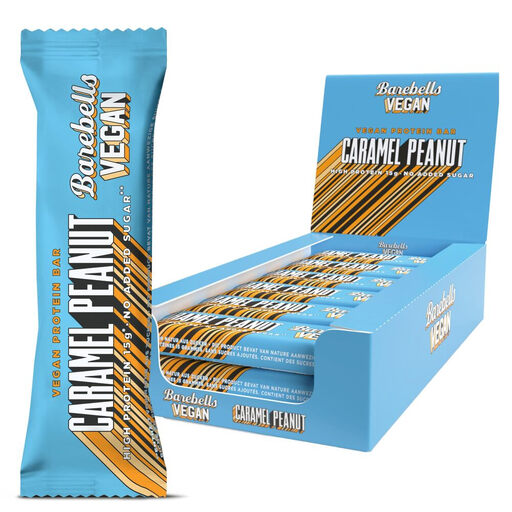
Why This Fits Their Persona: For those who follow a strictly plant-based diet but don't want to miss out on a high-protein snack with the popular *salted caramel peanut bar* flavour.
This bar features a thoughtfully crafted vegan formula. It avoids the common pitfall of many vegan snacks (low protein) by using a blend of wheat and soy protein to deliver 15g of protein per bar.
100% vegan ingredients. High protein content for a plant-based bar. Formulated with no added sugar and no palm oil.
We've compiled a complete, up-to-date list of products that fully meet these strict selection criteria.
1. What does "polyols" or "sugar alcohols" mean on the nutrition label? Polyols are sugar substitutes (e.g., maltitol, sorbitol, xylitol) that have fewer calories than sugar and a smaller impact on blood sugar levels. They are not fully absorbed by the body, which is why excessive consumption—as noted on many packages—can lead to bloating or a laxative effect.
2. Is a higher protein content always better? Not necessarily. The quality and source of the protein are just as important as the bar's overall nutritional profile. A bar with 30g of protein but also 30g of sugar is less suitable for most fitness goals than a bar with 20g of protein and only 2g of sugar. It all depends on your personal goal: are you looking for a meal replacement, a recovery snack, or simply a sweet treat?
3. What is the proper way to store peanut caramel bars? Most bars, especially those with a chocolate coating, should be stored in a cool, dry place. Avoid direct sunlight or high temperatures (e.g., in a car during summer), as the chocolate can melt and the bar's texture can be compromised. Storing them at room temperature (around 18-22°C or 64-72°F) is typically ideal.