
Lieferung heute & morgen

Qualitätsgarantie

Willkommens-Angebote freischalten: KOSTENLOSE Lieferung | Bis zu 80 % RABATT | Kostenlose 30-Tage-JoyPlus-Testphase
App herunterladen
The combination of salty peanuts and sweet caramel has long been a snack-time favourite. For health-conscious individuals and athletes who monitor their nutrient intake, the question often arises: how can this indulgence fit into their goals? A peanut caramel-flavoured protein bar can be a convenient solution, delivering muscle-building protein and satisfying sweet cravings, often with reduced sugar content.
This article serves as your guide. It introduces various models and highlights their features based on objective criteria such as nutritional values, ingredients, and special characteristics. Our goal is to provide you with an informed basis for your next purchasing decision.
The selection of fitness bars is vast. To find the right product for you, the following criteria can be helpful.
A key aspect is the ratio of protein to other macronutrients. A high protein content supports muscle growth and recovery after a workout. At the same time, a low-sugar snack is a deciding factor for many users. Pay close attention to the nutrition label: products that use sweeteners instead of added sugar often have lower carbohydrate and calorie counts. Compare the protein content per bar (e.g., 15g, 20g) with the sugar content to find a product that fits your dietary plan.
The type of protein is particularly relevant for individuals with specific dietary needs. Many bars are based on milk protein (whey or casein). If you're looking for a plant-based alternative, you should look for a vegan protein bar that contains protein from soy, peas, or wheat. A glance at the ingredients list also provides information about potential allergens and the use of additives like palm oil. A shorter, more understandable ingredients list is often an indicator of a well-thought-out product.
Preferences for texture are personal. Some prefer a soft protein bar with a creamy centre, while others appreciate a firmer consistency with crunchy elements. Furthermore, some manufacturers offer added value through fortified nutrients. For example, a protein bar with vitamins can be a practical supplement to help meet daily micronutrient needs.
Here is a selection of products that meet different needs. The descriptions are based on manufacturer information.
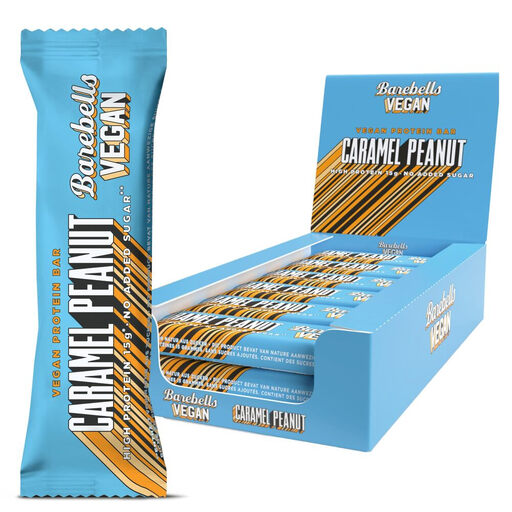
Why It Stands Out: This model from Barebells is specifically designed for a plant-based diet, combining soy and wheat protein.
Advantages:
Who Is It For? This product is aimed at individuals looking for a vegan peanut caramel protein bar who also value a palm oil-free recipe. It's an excellent choice for vegans and anyone looking to reduce their consumption of animal products.
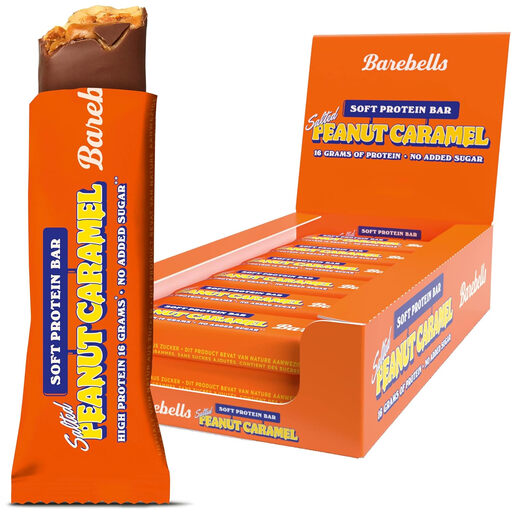
Why It Stands Out: This bar's focus is on an exceptionally soft and yielding texture, setting it apart from many firmer bars on the market.
Advantages:
Who Is It For? Ideal for users who prefer a soft protein bar. The combination of a soft core and a milk chocolate coating makes it a great alternative for anyone who finds traditional protein bars too dry or hard.
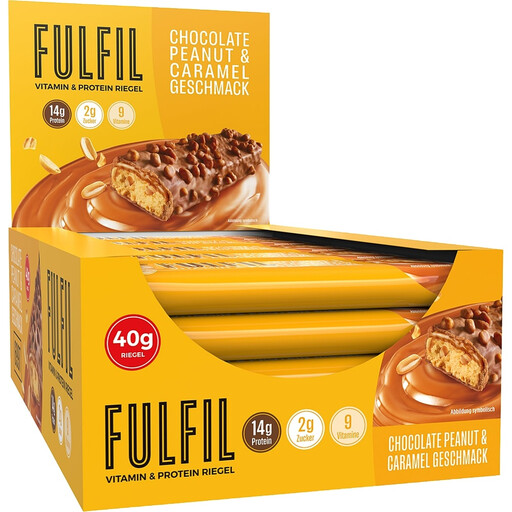
Why It Stands Out: This product combines the function of a protein bar with micronutrient fortification, positioning itself as a protein bar with vitamins.
Advantages:
Who Is It For? This product is designed for people who not only want to meet their protein needs but also wish to easily supplement their vitamin intake. The bar is suitable for active individuals looking for a functional snack.
The products presented here already cover a broad spectrum. However, if you haven't found the right model for your individual needs or if you prefer other flavours, more alternatives are available.
Looking for a wider selection? Explore our full range of peanut protein bars and find the product that's a perfect match for you.
A protein bar can be used flexibly. Many people consume it right after a workout to support muscle recovery with protein. However, it also works well as a high-protein snack between meals to bridge hunger gaps, or as a more mindful alternative to conventional sweets in the afternoon or evening.
Many modern protein bars are designed as a low-sugar snack. Instead of table sugar, they often use sugar alcohols (like maltitol or xylitol) or other sweeteners (like sucralose). A look at the nutrition label on the packaging provides precise information about the sugar content per bar and helps in selecting a suitable product.
Objective features of a well-designed fitness bar include a high protein content relative to the total energy, a concise ingredients list without unnecessary fillers, and a low amount of added sugar. The type of fats used (e.g., avoiding palm oil) and the protein source can also be indicators of quality.