What should you look for when buying?
Start by comparing protein and energy per 100 g. Then consider salt, ingredients and whether you’re planning to use the nuts as a quick addition to lunch or in connection with exercise.
| What to check | How to compare | Who should pay particular attention? |
|---|
| Protein content |
Compare protein and energy per 100 g. EDEKA lists 26 g of protein per 100 g for one unsalted peanut product and 24 g per 100 g for an almond product. |
If I want to add protein to my lunch, I need comparable information on the pack, not just a marketing claim. Around 33% of consumers make this comparison their top priority. |
| Salt and ingredients |
Check the salt content per 100 g and the ingredients list. The EDEKA peanuts compared here contain 0.01 g of salt in the unsalted version, versus 0.8 g in the salted version. |
If I’m adding a savoury topping, I want to decide for myself how much salt is already in the product. Around 27% of consumers make salt and ingredients their main consideration. |
| Adding to lunch |
Consider the pack size and plan your portion. The EDEKA peanut and almond products compared here contain 618 to 619 kcal per 100 g. |
Between meetings, I need an ingredient that’s easy to add to my lunch, not a replacement for it. For around 20% of consumers, ease of use comes first. |
| Exercise and recovery |
Consider your overall diet and how much you train; if a product is marketed as high in protein, check its other nutritional information, too. |
If I buy nuts in connection with exercise, I don’t want to mistake a marketing claim for a personal need for extra protein. Around 20% of consumers prioritise this distinction. |
Nuts and seeds at Joybuy
This selection includes almonds, a nut mix, cashews and peanuts as possible additions to lunch, as well as pine nuts for cooking. Choose according to how you plan to use them, and check the information for each product when comparing nutritional values.
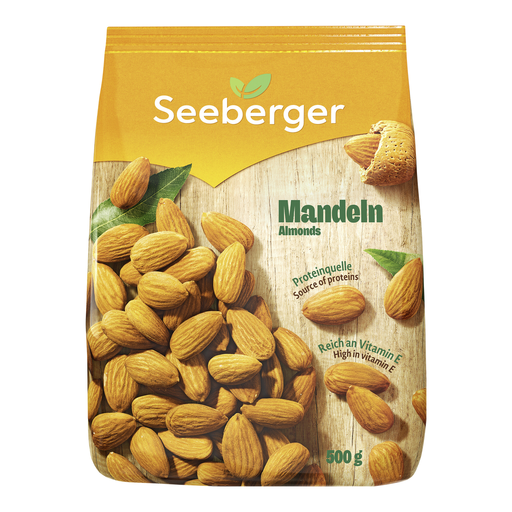 Image unavailable
Seeberger Whole Natural Almonds Extra, 500 g
Whole almonds are a good option if you’re planning to add almonds to your lunch. The pack contains 500 g; bear the energy content in mind when portioning them out, and check the label if you have an allergy.
View at Joybuy
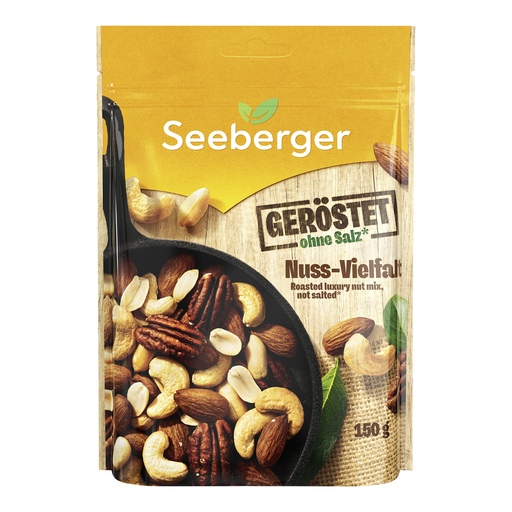 Image unavailable
Seeberger Roasted Nut Selection, 150 g
This roasted mix is worth considering if you’d like a variety of nuts with your lunch rather than just one type. The pack contains 150 g; plan your portion, and check the ingredients and may-contain information if you have an allergy.
View at Joybuy
 Image unavailable
Seeberger Unsalted Roasted Cashew Kernels, 150 g
These roasted, unsalted cashews are a good fit for a lunch where you’d rather avoid salted nuts. The pack contains 150 g; check the nutritional information when planning your portion, and read the pack information if you have an allergy.
View at Joybuy
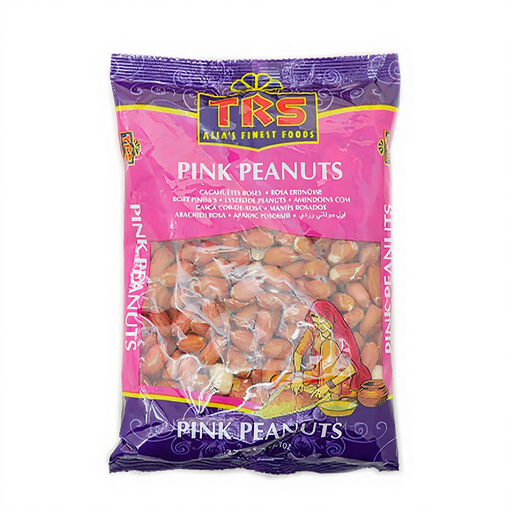 Image unavailable
TRS Peanuts Kernels Pink, 375 g
These peanut kernels are better suited to a lunch you’ll prepare yourself than to a ready-to-eat roasted snack. The pack contains 375 g; the kernels are raw, and you should check the label if you have an allergy.
View at Joybuy
 Image unavailable
Jeden Tag Organic Pine Nut Kernels
Pine nuts are an option as an ingredient in a salad or another lunch dish. If you’re considering them for their protein content or because you’re watching your salt intake, compare the nutritional information on the specific pack and check its allergen information, too.
View at Joybuy
Frequently asked questions
Which has more protein for a home-working lunch: peanuts or almonds?
Among the EDEKA products compared here, unsalted peanuts contain slightly more protein, at 26 g per 100 g, than almonds, at 24 g per 100 g. Your choice should also take account of the other nutritional information, ingredients, allergens and the portion you actually plan to eat.
Does the “High Protein” label make nuts a balanced choice?
No. The label alone doesn’t tell you about the product’s overall composition. Lebensmittelklarheit explains that “High Protein” refers to the proportion of energy that comes from protein. Check the fat, sugar, salt and energy figures in the nutritional information as well.
Do I need special protein products for recreational exercise?
Taking part in recreational exercise doesn’t automatically mean you need more protein. According to the German Nutrition Society, adults who do four to five 30-minute sessions of moderate-intensity activity per week don’t need an increased protein intake. Your overall diet is also relevant when choosing products.
What should I check if I have a nut or peanut allergy?
Before buying, check the ingredients and allergen information on each specific pack. Peanuts, almonds and nut mixes are different products, and may-contain information can vary between varieties, too.
How should I store shelled walnuts after opening?
For shelled walnuts, the consumer advice centre recommends an airtight container in the fridge or freezer. Throw away any mouldy nuts rather than using them in your lunch.


