The pear juice team
If you regularly juice softer pears too, check the type of juicer and the specific model’s guidance on soft fruit. Haus & Garten Test describes slow juicers as particularly suitable for soft fruit.


If you regularly juice soft pears in an office where people need to chat, a slow juicer is a sensible starting point. Haus & Garten Test describes this type as particularly suitable for soft fruit. If you need to prepare several portions quickly, a centrifugal juicer may be more practical; in its comparison of juicer types, ETM TESTMAGAZIN describes it as faster but noisier. With either type, consider how easy the food-contact parts are to clean and how much noise the machine will make in its intended location.
If you regularly juice softer pears too, check the type of juicer and the specific model’s guidance on soft fruit. Haus & Garten Test describes slow juicers as particularly suitable for soft fruit.
If you share the machine and the sink with colleagues, you’ll need a practical routine for cleaning every food-contact part. The Federal Centre for Nutrition recommends cleaning this type of appliance thoroughly and regularly with hot water and washing-up liquid.
If people make calls or need to concentrate near the kitchenette, the noise the juicer makes in its intended location matters. ETM TESTMAGAZIN describes centrifugal juicers as faster but noisier in its comparison of juicer types. Slow juicers can also make noise while chopping.
| What matters | What to check before buying | Who will find this especially important? |
|---|---|---|
| Juicing soft pears | Check the guidance on fruit firmness and cleaning the pulp channel and pressing area. A large feed chute alone doesn’t prove that a juicer handles very ripe pears well. | If we often juice pears at different stages of ripeness, we want to choose a type and model with suitable guidance. Around 26% of consumers put juicing pears first. |
| Thorough cleaning | Check whether the sieve, pressing chamber, spout and pulp container can be removed, and which parts the instructions say are dishwasher-safe. | When different people use the juicer, we want to be able to clean all food-contact parts thoroughly after every use. Around 26% of consumers prioritise ease of cleaning. |
| Noise in the office | Where possible, assess noise ratings or demonstrations under comparable conditions and consider where the juicer will actually be used. The type of juicer doesn’t guarantee a particular decibel level. | If people make calls or need to concentrate nearby, keeping disruption to a minimum matters more to us than preparing juice as quickly as possible. Around 21% of consumers put uninterrupted work first. |
| Preparing several portions | Compare the feed chute and juice and pulp containers with the number of portions you plan to make. Remember to factor in the cleaning afterwards too. | If several colleagues want juice during a short break, we pay particular attention to quick preparation and fewer interruptions. Around 16% of consumers prioritise serving several people quickly. |
| Space in the kitchenette | Measure the worktop space and clearance needed to fill the juicer, and check where you can store it after use. | When space is limited, we mainly want to be sure the juicer will fit in the kitchen and available storage. Around 11% of consumers put fit first. |
Even a machine described as quiet by its manufacturer may still make noticeable noise while chopping. ETM TESTMAGAZIN describes centrifugal juicers as considerably noisier in its comparison of juicer types. That doesn’t tell you how a specific model will sound in your workplace.
Where possible, assess the actual machine in the place where you plan to use it. Distinguish between the manufacturer’s description and a noise comparison carried out under suitable conditions.
When a juicer is shared, all the other food-contact parts need to be cleaned thoroughly too. Whether you need a brush and which parts are dishwasher-safe will vary by model and component.
Before buying, look at how the machine comes apart and read the cleaning instructions. Decide who will clean it after use.
Remember to set aside time regularly for taking it apart, cleaning it and letting it dry.
The size of the opening mainly affects preparation. On its own, it doesn’t prove that the juicer is suitable for soft fruit or indicate how much juice it will yield.
Check the specific model’s guidance on fruit firmness, and don’t treat claims about the feed chute as a test of how well it handles pears.
VitaJuice centrifugal juicers are designed for preparing several portions; the MES4010 is one specific model.
MultiJuice centrifugal juicers; for the SJ5000BK, the feed chute and pulp container are useful details to consider when preparing fruit and sharing the machine.
Slow juicers for anyone considering a pressing mechanism and easy handling for repeated use; the H400 is one specific model.
The REVO830 is a slow juicer with two feed chutes for different sizes of fruit and vegetables.
The MJ-L900 is an example of a slow juicer designed with cleaning and adding ingredients in mind.
This selection focuses mainly on slow juicers for teams who want to juice pears and organise shared cleaning, as well as a manual fruit press for a different approach.
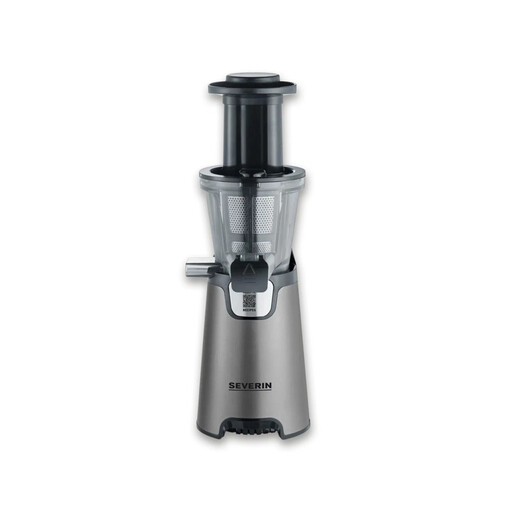 No image available
The pressing mechanism may appeal to teams looking to juice soft fruit; Haus & Garten Test describes slow juicers as particularly suitable for soft fruit.
The product title lists a 1-l juice container, 150 W and an Easy-Clean design. The product description says individual parts can be cleaned with a brush or in the dishwasher.
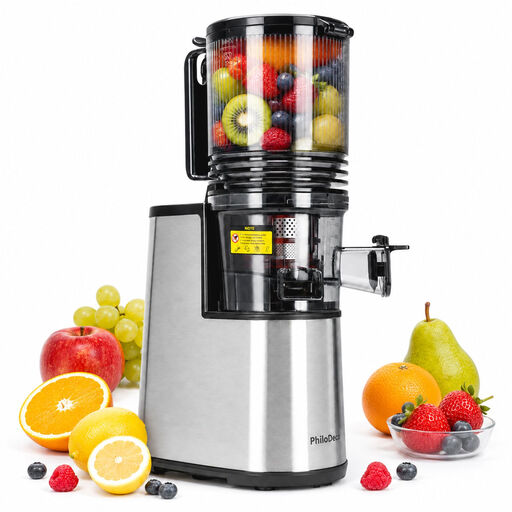 No image available
This type of slow juicer may suit teams who prefer a pressing mechanism for soft fruit. The specific model’s guidance on fruit firmness remains important.
The product title lists 250 W, a 145-mm feed tube and a 1,000-ml pulp container. The description mentions removable food-contact parts.
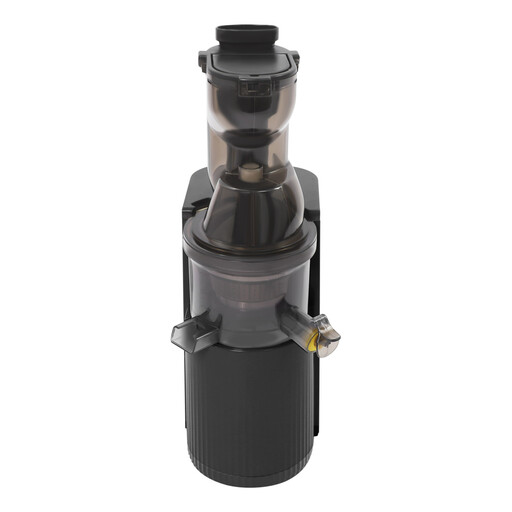 No image available
The product description lists soft fruit as a suitable ingredient and says the parts are fully removable. Also check the instructions for juicing the type of pears you plan to use.
The product title lists 800 W, 48 RPM, an 8-cm feed chute and a reverse function. The description says the parts are removable.
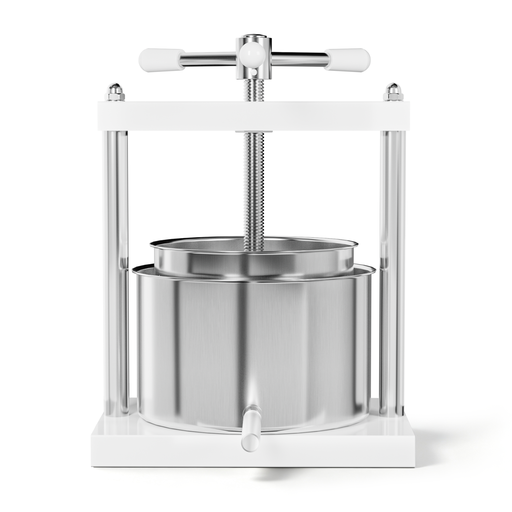 No image available
An alternative for teams specifically looking for a manual press rather than an electric juicer. The product description lists a collection container with a pouring spout.
The product title identifies the 5-L version as a manual stainless-steel press. The description says it can be dismantled.
 No image available
The product description lists pears as a suitable ingredient and refers to spiral pressing technology. For shared use, the details about the removable food-contact parts are worth noting.
The product title lists three speed settings and separate juice and pulp outlets. The description says the parts can be cleaned under running water.
Wash raw fruit thoroughly and clean the juicer regularly with hot water and washing-up liquid. The Federal Centre for Nutrition also recommends eating cut fruit soon after preparation or keeping it chilled, and rinsing cleaned parts thoroughly with clean water. Check the instructions for your specific model to see which parts are dishwasher-safe.
For work equipment used by an employer, the German Social Accident Insurance (DGUV) sets out inspection requirements under the Industrial Safety Regulation. The employer must assess what arrangements and inspections are required for the specific office appliance, based on how it is used. Product certification does not replace this workplace assessment.
No. The approval applies to specific parts and doesn’t automatically cover the whole appliance. For the SJ5000BK, Braun refers users to the instruction manual for details of the approved parts. Don’t assume this applies to the motor unit or other components.
Agree who will clean the juicer after each use, who will source replacement parts and which warranty terms apply to the specific model and how it will be used. Kuvings lists a motor warranty for the REVO830; this doesn’t mean every component or workplace use is covered.