What should you look for when buying?
First, work out the total quantity you need for all the glasses you want to make, then compare it with the permitted fill level of the specific appliance. Next, weigh up cleaning, the level of control you want over the consistency and the space available.
| Consideration |
What to look for when buying |
Who is this particularly important for? |
| Several portions in one go |
Compare the permitted fill level and markings on the exact model with the quantity in your recipe. Philips lists a 2-l jug, while Braun gives the JB 3150 a working liquid capacity of 1.5 l. |
If I want to make several glasses in the morning without having to refill the container, usable capacity is key. Around 36% of consumers put family-sized portions first. |
| Cleaning up after breakfast |
Check the instructions to see which parts are dishwasher-safe and how to clean the blade safely. Manufacturer guidance applies only to the parts specifically approved for it. |
If you regularly blend before school or work, you’ll want to fit cleaning into your morning routine. Around 29% of consumers put ease of cleaning first. |
| Control over consistency |
Check for different speed settings or a pulse function. Braun lists variable speed and a pulse function for the JB 3150; wattage alone is no guarantee of a particular blending result. |
If I want to adjust the consistency of my pear smoothie, I look at the controls rather than just the motor power. Around 21% of consumers prioritise control over texture. |
| Space and single servings |
Compare the container capacity and the space available with the number of portions you usually make. WMF lists a 0.6-l container for the Kult X Mix & Go, which doubles as a drinking bottle. |
If you have limited space or usually need just one portion to take with you, a compact appliance may be worth considering; you may need several batches to make multiple glasses. Around 14% of consumers put this need first. |
Joybuy products for family portions and individual smoothies
The selection ranges from blenders for several portions to compact appliances for individual smoothies to take with you. Before using the specific product, check the relevant CE marking and documentation for food-contact materials. The applicable requirements and the product information for that particular appliance are what matter when assessing it.
 No image available
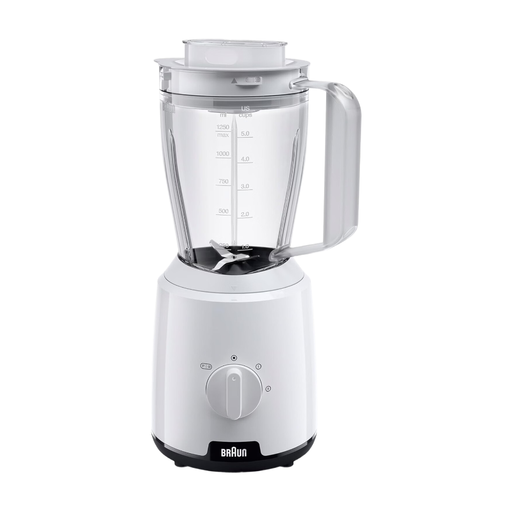
Braun PowerBlend 1 JB1000WH
The 1.5-l blending jug is an option to consider when planning several breakfast portions; compare the permitted fill level with your recipe.
1.5-l blending jug, 600 W, two speeds and an ice-crushing function.
View at Joybuy
 No image available
ochama multifunction blender, 1.5 l, 600 W
The stated 1.5-l blending jug could be useful when planning several portions; check the appliance’s permitted fill level.
1.5 l and 600 W.
View at Joybuy
 No image available
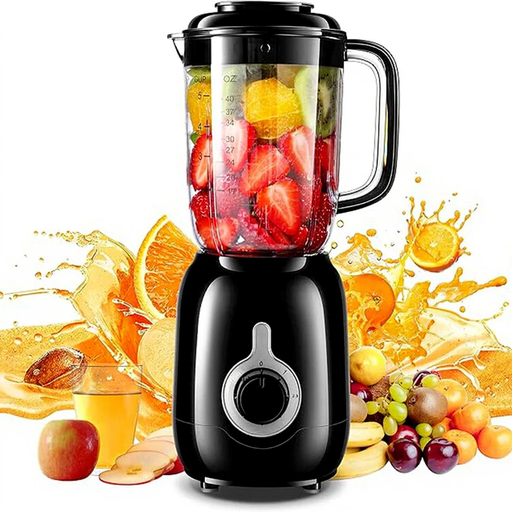
Bear LLJ-B12K1 countertop blender
The stated 1.2-l container gives you a guide when planning several portions; compare it with the quantity in your recipe.
1.2 l, 500 W, two speeds, pulse function and four stainless-steel blades.
View at Joybuy
 No image available
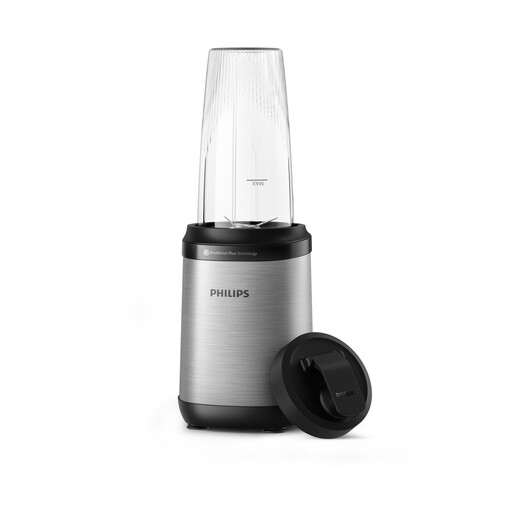
Philips HR2764/00 5000 Series
With a 700-ml jug, this model is better suited to smaller quantities; a larger family recipe may require several batches.
800 W, 700-ml Tritan jug, six stainless-steel blades and a pulse function.
The product description lists dishwasher-safe parts. Check the instructions to see which components this refers to.
View at Joybuy
 No image available
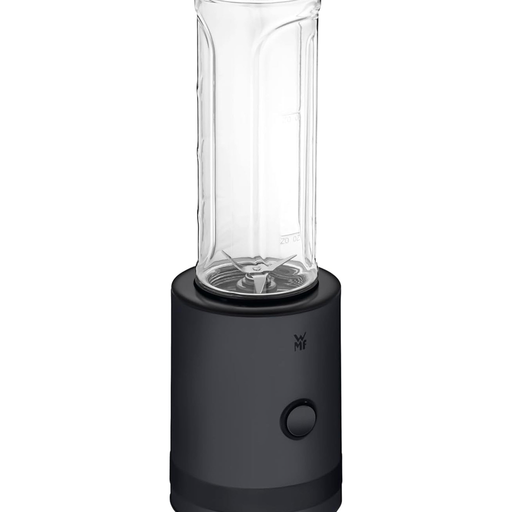
WMF Küchenminis Smoothie-to-Go Mini Blender
The two blending and drinking containers are handy for individual portions to take with you; you may need several batches to make enough for the family.
Two 0.6-l containers and 300 W.
View at Joybuy
Frequently asked questions
How do I choose the container size for family breakfast?
Work out the total quantity in your recipe for all the glasses you want to make, then compare it with the permitted fill level of the specific model. A jug with a nominal capacity of 2 l does not automatically mean you can blend 2 l of ingredients.
How do I clean a blender after breakfast?
Follow the instructions for the specific model. Check which parts are explicitly listed as dishwasher-safe and how to clean the blade safely; a claim about individual appliance parts does not automatically apply to the motor unit.
What should I look for when choosing pears for a smoothie?
The German Federal Institute for Risk Assessment recommends using fresh ingredients with no signs of spoilage and washing fruit and vegetables thoroughly. This food hygiene advice does not tell you anything about the performance of a particular blender.
Are a manufacturer’s guarantee and statutory rights the same thing?
No. Your statutory rights if a product is faulty and a voluntary manufacturer’s guarantee are different things; the Verbraucherzentrale (German consumer advice centre) highlights this distinction. Check who is selling the specific listing and the terms of any additional motor guarantee advertised.
What requirements apply to a blender that comes into contact with food?
Electrical appliances must carry a CE marking where the relevant EU rules require it. This is the manufacturer’s declaration of conformity, not an independent quality mark. Parts that come into contact with food must also comply with the rules for food-contact materials. Check the information and documentation for the specific listing; the European Union explains CE marking, while EUR-Lex sets out the rules for food-contact materials.


