What should you look for in a multicooker for barley lunchboxes?
Pressure cooking
A good fit if: you also want to use the pressure function for other dishes and follow the guidance for your model on filling and releasing pressure. Instant Pot provides a pearl barley recipe using Pressure Cook; Rommelsbacher recommends the higher pressure setting on the MD 1000 for grains.
What to consider: barley can foam, and a recipe’s cooking time doesn’t automatically include preparation and the time needed to build pressure.
Cooking or boiling without pressure
A good fit if: you want to cook barley without pressure and use the appliance for other cooking, steaming or searing functions. Russell Hobbs lists cooking and boiling for the Good to Go, but not pressure cooking.
What to consider: a rice programme doesn’t prove that the appliance has a suitable barley setting or will give you the texture you want.
| What matters to you |
What to look for when buying |
Who it matters most to |
| Cooking method and pressure safety |
Check the functions and instructions for the exact model, including fill markings and guidance on releasing pressure when cooking grains that swell. |
If I want to cook barley under pressure, I need to understand the instructions for my specific appliance; around 36 % of consumers put suitable preparation and safe operation first. |
| Keeping lunchboxes cool |
Allow space for portion containers and plan how to keep them cool, including a cool bag if needed, both in transit and where you’ll eat. |
Anyone taking prepared lunchboxes with them also needs to plan how to store and chill them away from the kitchen. Around 29 % of consumers prioritise storage and transport. |
| Quantity per batch |
Compare the usable capacity and fill markings of the specific model, not just the stated pot size. The manufacturers list 3,2 l usable capacity from a 5,0 l nominal capacity for the Tefal CY7548, and 4 l usable capacity from a 6 l pot capacity for the Rommelsbacher MD 1000. |
If I want to cook several suitable portions in one batch, usable capacity is crucial; around 21 % of consumers put batch size first. |
| Cleaning after cooking |
Check the instructions for cleaning the pot, lid, seal and valve, as well as the design of any removable parts. |
Anyone who batch-cooks regularly will want to be able to clean the parts thoroughly after each use. Around 14 % of consumers prioritise ease of cleaning. |
For foods that swell, follow the fill limits for your specific appliance. For rice or dried vegetables that expand during cooking, the Instant Pot Duo instructions specify filling the pot no more than halfway. Don’t assume this model-specific limit applies to other appliances.
Related products from Joybuy
This selection includes appliances for pressure cooking and preparing grains, as well as a rice cooker for grain-based dishes. Compare each appliance’s functions with your preferred cooking method and planned portion size.
 No image available
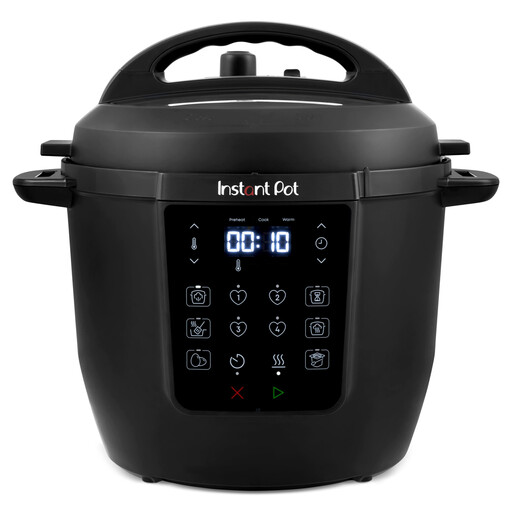
Instant Pot Multicooker Classic EU, 5.7L, Black – 112-2000-01-EU
If you want to pressure cook and use a range of cooking methods, the product description lists Pressure Cook, Slow Cook, steaming and searing.
The stated capacity is 5,7 l, and the description says it’s designed for up to six people. When pressure cooking, follow the instructions for pearl barley, fill limits and releasing pressure.
View at Joybuy
 No image available
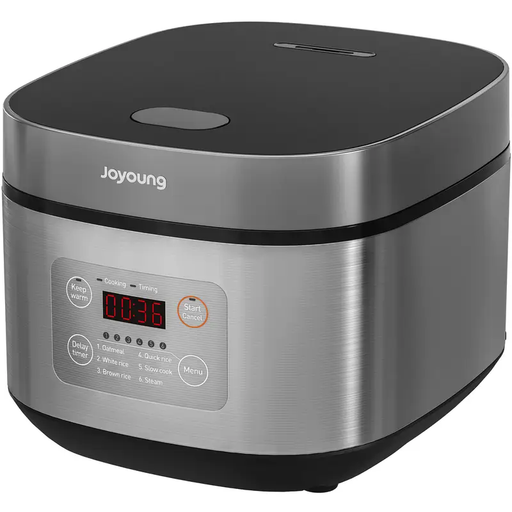
Joyoung Rice Cooker, 860W, 4L, Smart, Timer, LED Indicator
If you’re considering a rice cooker for grain-based dishes, the product description lists grains and porridge among its cooking options.
Features include a 4-litre inner pot, six programmes, a 24-hour timer and a steaming tray. The description also lists removable parts.
View at Joybuy
 No image available
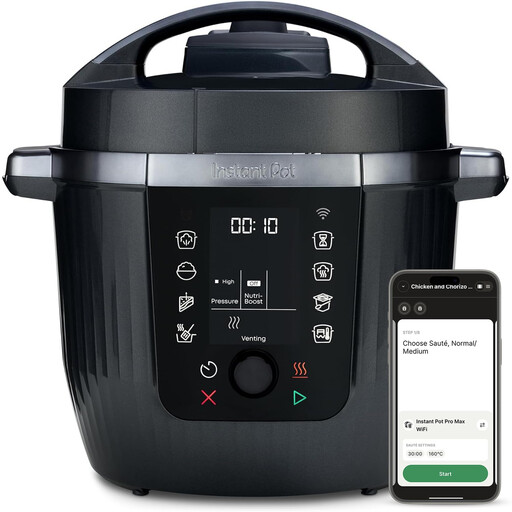
Instant Pot Pro 10-in-1 Multi Cooker, 5.7L, 1200W, Black
If you want to combine pressure cooking with other functions, the product description lists Slow Cook, rice cooking and steaming, among others.
The stated capacity is 5,7 l. According to the product description, the inner pot is dishwasher-safe; when pressure cooking, follow the fill markings and guidance on releasing pressure.
View at Joybuy
 No image available
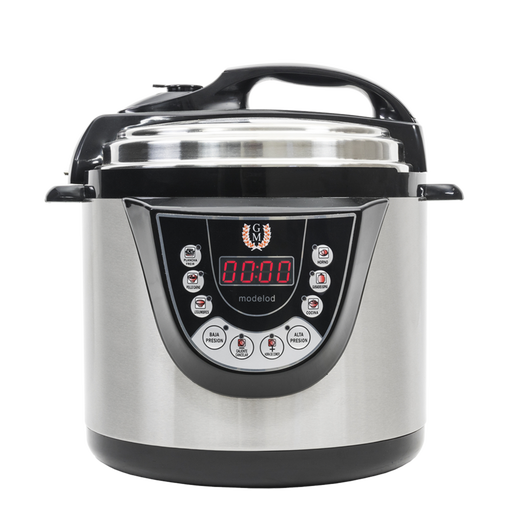
Cecotec Programmable Cooker Model D, 6 L, Frying and Voice Function
If you’re looking for a pressure cooker for larger quantities, the product description lists two pressure settings and nine cooking modes.
The pot has a stated capacity of 6 l and a usable capacity of 5 l. The description also lists a 24-hour timer.
View at Joybuy
Frequently asked questions
Can I simply use the rice programme for pearl barley?
No. The programme name alone doesn’t confirm that it’s suitable for pearl barley. Instant Pot provides a specific pressure-cook recipe for pearl barley; for other models, check the instructions and a suitable recipe for the texture you want.
What should I bear in mind when releasing pressure after cooking pearl barley?
Follow the instructions for your specific model, and don’t open the pressure cooker until the pressure has been released correctly. Instant Pot warns that pearl barley can foam and block the steam release valve; the Instant Pot Duo instructions require the pressure to have been fully released before opening.
How should I transport lunchboxes of pre-cooked pearl barley?
The German Federal Institute for Risk Assessment recommends planning how to keep food cool where you’ll eat it and transporting food containers in a cool bag. The BfR advises cooling hot food quickly to below 7 °C for longer storage, so make sure you have a suitable way to keep it cool while travelling too.
Who should I contact if my appliance develops a fault, and do I need a manufacturer’s guarantee?
For a purchase from a business in the EU, you have a legal right to a minimum two-year guarantee from the seller, starting from the date you receive the goods. Any additional manufacturer’s guarantee doesn’t replace this right; this information is based on the EU rules set out by Your Europe.
What does the CE mark mean on a multicooker?
If a product is covered by harmonised EU rules that require CE marking, the manufacturer uses the mark to declare that the product meets the relevant requirements. According to the European Union, CE isn’t an independent EU quality mark; whether a specific product must carry the mark depends on the rules that apply to it.


