
Lieferung heute & morgen

Qualitätsgarantie

Willkommens-Angebote freischalten: KOSTENLOSE Lieferung | Bis zu 80 % RABATT | Kostenlose 30-Tage-JoyPlus-Testphase
App herunterladen
A pearl necklace is a piece of jewellery defined by its arrangement of pearls. The ideal choice depends on objective criteria, including the material, pearl size, colour, and clasp mechanism. This guide analyses these factors to help you make an informed decision and presents a selection of models with various specifications.
The decision to purchase a pearl necklace should be based on an analysis of its technical features. The following parameters are key to making the right choice.
The origin and material of the pearls significantly determine their appearance and care requirements.
The choice of material affects the weight and feel of the necklace.
The size of the individual pearls, measured in millimetres, directly influences the necklace's visual impact.
The standard length for a pearl necklace is typically between 43 cm and 45 cm, allowing it to rest on the collarbone.
Colour is a crucial design feature.
The clasp is a functional detail that affects comfort and ease of use. A pearl necklace with a magnetic clasp is particularly quick and easy to use. The two ends of the clasp attract each other magnetically, holding the necklace securely in place. This is especially convenient for those who find delicate lobster or spring-ring clasps difficult to handle.
Based on the criteria above, we have curated a selection of models with distinct features.
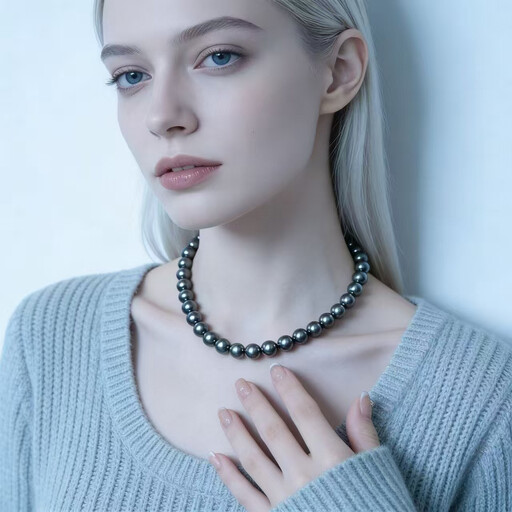
Why we recommend this product: This model combines a medium 10 mm pearl size with a contemporary dark grey hue. The magnetic clasp is a practical feature that simplifies daily use. Its U-shape and length of approx. 43-45 cm ensure a classic fit around the neck.
Advantages:
Best Suited For: Individuals seeking an elegant necklace with a modern touch. Its colour and practical clasp make it a suitable accessory for professional settings and social events.
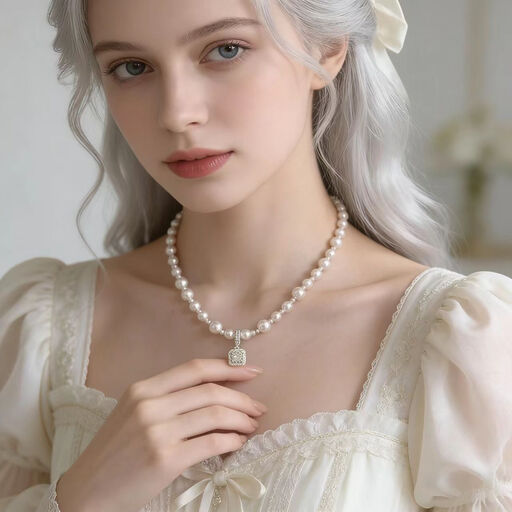
Why we recommend this product: The VoxorAI XL25 stands out for its versatile design. The necklace is composed of white imitation pearls in various sizes (approx. 4–10 mm) and is complemented by a detachable copper pendant. This design element allows for two different ways to wear it.
Advantages:
Best Suited For: Users who prefer contemporary pearl jewellery with a playful and customisable design. Its versatility makes it a practical accessory for various styles, from chic to casual.
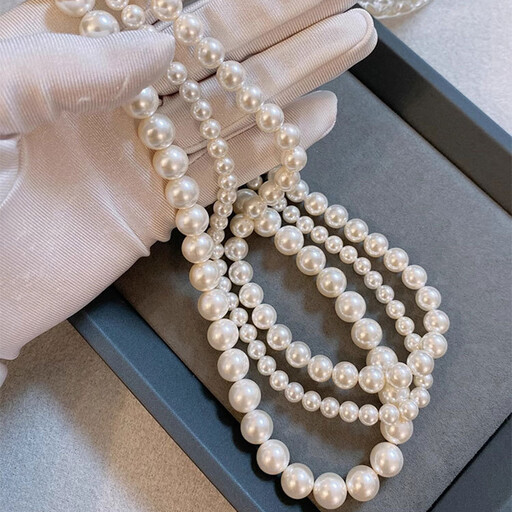
Why we recommend this product: With a pearl diameter of 14 mm, this model is a true statement piece. The large, uniform pearl size and classic white colour give the necklace an opulent yet timeless appeal. Here too, a magnetic clasp simplifies handling.
Advantages:
Best Suited For: Wearers looking for a striking pearl collier for special occasions such as weddings, galas, or formal receptions. It is designed for outfits where the jewellery is intended to be the focal point.
If the models presented don't perfectly match what you're looking for, the Fashion Jewellery category offers a wider selection of necklaces and other jewellery. There you will find various designs, materials, and lengths to discover the perfect accessory for your personal style.
1. How do you clean a pearl necklace correctly? Caring for pearl jewellery requires a delicate touch. According to the manufacturers' instructions for the featured products, pearls should be wiped with a soft, clean cloth after wearing to remove residue from perspiration and dust. Contact with chemicals such as perfume, skin cream, or cleaning agents should be avoided. Ultrasonic cleaners or acidic agents are unsuitable for pearls as they can damage the surface.
2. What is the difference between a pearl necklace and a pearl collier? The terms are often used interchangeably, but there is a technical distinction. A pearl collier typically refers to a very short necklace that sits snugly around the neck (approx. 35-40 cm in length). A classic pearl necklace is usually slightly longer (often 43-45 cm) and rests on or just below the collarbone. Longer styles are known as opera or rope necklaces.
3. Can you wear a pearl necklace every day? Whether a pearl necklace is suitable for daily wear depends on its material and construction. Pearls are an organic or nature-derived material and are more sensitive to external factors than metals or gemstones. For daily wear, it is important to protect the necklace from impacts, scratches, and contact with chemicals. Models with durable imitation pearls and secure clasps are often better suited for everyday use.