
Lieferung heute & morgen

Qualitätsgarantie

Willkommens-Angebote freischalten: KOSTENLOSE Lieferung | Bis zu 80 % RABATT | Kostenlose 30-Tage-JoyPlus-Testphase
App herunterladen
Outdated kitchen tiles, a bare living room wall, or the desire for a quick visual upgrade without an extensive renovation—many renters and homeowners are looking for practical solutions to give their spaces a personal, contemporary touch. Applying a self-adhesive wall covering is an effective method for achieving a major impact with minimal effort.
This article serves as your guide. It introduces various types of self-adhesive wall coverings and explains the key criteria for choosing the right one for your next DIY wall design project. The goal is to provide you with an informed basis for your decision.
Before you decide on a product, a few considerations will help ensure the final result meets your expectations.
Not every material is suitable for every room. Choosing the right material is crucial for the longevity and functionality of your new wall covering.
Self-adhesive wall coverings are available in numerous designs that support different moods and styles.
Ease of installation is one of the main advantages. Measure the area to be covered precisely and compare it with the coverage area indicated on the product packaging. Plan for a little extra for cuts and waste, especially with patterns that require precise matching. For installation, you typically only need a few tools like a utility knife, a tape measure, and a squeegee for smoothing.
Here is a selection of products that cater to different use cases and design preferences.
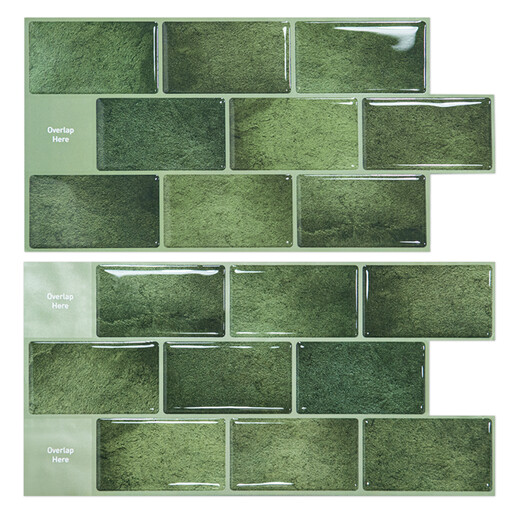
What sets it apart This 10-pack of 30x30 cm vinyl stickers mimics the classic design of subway tiles. The green color adds a fresh, modern accent. According to the manufacturer, the material is water- and heat-resistant, qualifying it for use behind stovetops and in bathrooms.
Advantages
Who is it for? For those looking for a quick and cost-effective solution to modernize a kitchen backsplash, bathroom, or laundry room without major construction work.
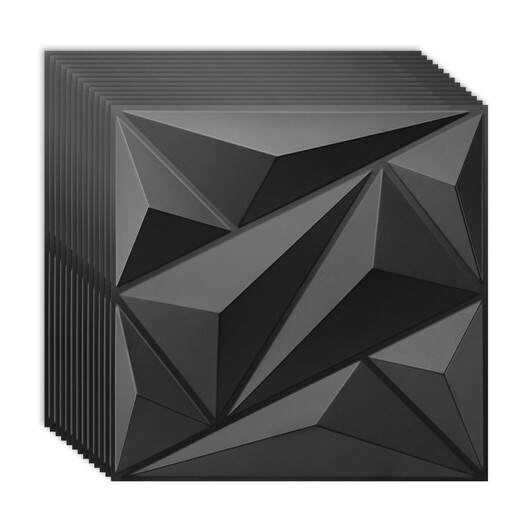
What sets it apart These black 3D wall panels made of PVC come in a set of 33 pieces (each 30x30 cm). The textured diamond pattern creates a striking depth effect and visual interest. The lightweight PVC material is moisture-resistant, making it suitable for rooms with higher humidity.
Advantages
Who is it for? For users who want to transform a wall in their living room, bedroom, or hallway into an architectural focal point and prefer a modern, textured aesthetic.
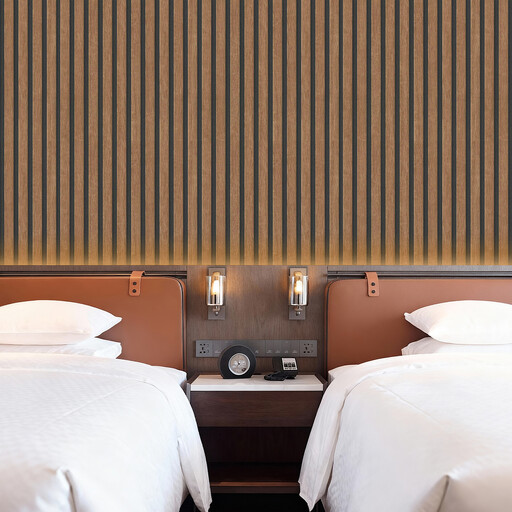
What sets it apart This self-adhesive wallpaper on a roll measuring 60 cm wide and 508 cm long offers large-area coverage with fewer seams. The design of a black slatted wood wall covering provides a clean vertical structure and a modern, high-contrast look. The material is a wipeable premium PVC vinyl.
Advantages
Who is it for? Ideal for creating a full accent wall behind a sofa or bed. It's also well-suited for adding texture to long hallways or visually upgrading large furniture pieces like wardrobe doors.
The products featured here represent just a small sample of the possibilities. From stone effects and metallic finishes to colorful patterns, there is a wide range of designs for your project.
If you're looking for more inspiration, discover additional options in our Textured Wall Foils & Vinyl Wall Decals category.
Self-adhesive wall coverings adhere best to smooth, clean, dry, and non-porous surfaces. These include painted drywall (the paint should be fully cured), tiles, glass, laminate, and sealed wood. Rough plaster, unpainted concrete, or heavily textured wallpaper are unsuitable substrates.
Many products, especially those made of vinyl or PVC, are rated as moisture-resistant and are well-suited for bathroom walls. They can be used as bathroom wall panels or as a backsplash behind the sink. However, most products are not designed for direct and prolonged contact with water, such as inside a shower enclosure. Always check the specific manufacturer's specifications for this purpose.
Most modern products can be removed. A simple trick is to gently heat the surface with a hairdryer. The heat softens the adhesive, making it easier to peel off. Start at a corner and slowly pull the film or panel off at a shallow angle. When applied correctly to a suitable surface, it should not leave behind significant residue or damage.