
Lieferung heute & morgen

Qualitätsgarantie

Willkommens-Angebote freischalten: KOSTENLOSE Lieferung | Bis zu 80 % RABATT | Kostenlose 30-Tage-JoyPlus-Testphase
App herunterladen
A new look for the living room, a fresh style for the bedroom, or a quick upgrade for old furniture—the desire for a change within our own four walls is often strong. However, the effort associated with traditional renovations can be daunting. This is where wallpapering without paste offers a practical alternative. Peel-and-stick wallpaper provides a modern and flexible solution to quickly give rooms a new character without permanent structural changes.
This guide introduces various options and provides practical tips to help you choose the right adhesive film for walls or furniture. The goal is to offer a factual basis for your decision, ensuring you find the perfect product for your project.
Before you decide on a design, there are a few practical aspects to consider. These will help you achieve a clean and long-lasting result.
Most peel-and-stick wallpapers are made of PVC vinyl. This material is robust, durable, and often a washable wallpaper, which simplifies daily cleaning. The underlying surface is crucial for adhesion. The surface must be smooth, clean, dry, and free of dust or grease. Painted drywall, sealed wood panels, or smooth furniture surfaces are ideal. Rough or textured walls, such as woodchip wallpaper, are generally unsuitable because the film cannot adhere evenly, which can lead to air bubbles.
The design has a significant impact on a room's atmosphere. A wood-effect wallpaper can add warmth and natural texture, while a marble-effect wallpaper creates an elegant and high-end look. For a targeted visual upgrade, consider the concept of creating an accent wall. This involves wallpapering only a single wall to create a focal point in the room. Self-adhesive wall panels have a similar effect, often featuring a three-dimensional texture that adds modern accents. Consider the effect you want to achieve: should the room appear larger, brighter, or cosier?
Carefully measure the area you plan to cover before ordering. Calculate the required square footage and plan for an extra roll or at least 10% more material. This buffer is useful for cutting, especially with patterns that need to be perfectly aligned, and for any potential corrections. Product descriptions usually specify the exact dimensions of a roll and the area it can cover.
Here is a selection of products distinguished by their specific designs and applications.

Why it stands out This wallpaper mimics the look of a modern slatted wood wall. The warm, reddish wood tone and vertical lines create a textured yet inviting atmosphere without the need for complex carpentry.
Benefits
Who is it for? Ideal for those looking to create an accent wall behind a sofa, bed, or in a long hallway. It pairs well with neutral furniture and minimalist decor, as the wall itself becomes the central design element. It's also an option for upgrading large, smooth wardrobe doors as a furniture wrap.

Why it stands out The bold design of black marble with white veining creates a strong contrast and a modern, sophisticated look. It mimics the elegance of natural stone and makes a clear visual statement.
Benefits
Who is it for? Suitable for anyone seeking a dramatic and high-end look for smaller surfaces. It works well in entryways, on vanity surrounds in the dry area of a bathroom, or for refining dressers and cabinet doors. The dark surface is particularly striking when combined with metallic hardware and good lighting.
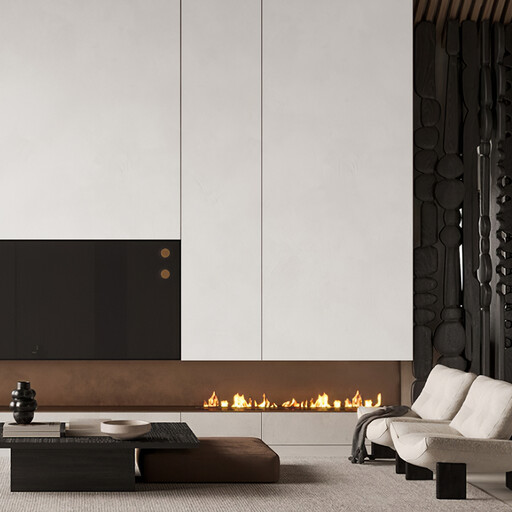
Why it stands out This wallpaper features a silver-white surface with a subtle shimmering effect. It gently reflects light, making rooms feel brighter and more open without being overpowering.
Benefits
Who is it for? Perfect for areas that need to feel brighter and more welcoming, such as dark hallways, entryways, or walls behind a mirror. As a furniture wrap, it's excellent for giving older wardrobes, shelves, or dressers a modern and clean finish.
Wall coverings are an effective way to transform a room. However, sometimes it's the smaller details that complete the overall look. If you're looking for more ways to stylishly fill unused space, a Decorative Corner Shelf Unit could be a fitting addition. Explore various options to complete your decor.
No, this is generally not recommended. The uneven texture of woodchip wallpaper prevents the adhesive film from adhering completely. This leads to air bubbles and messy edges, and the wallpaper may peel off over time. A smooth, clean surface is required for a durable result.
Most PVC-based adhesive films are removable. To make the process easier and minimise adhesive residue, you can warm the film with a hairdryer on a low setting. The heat softens the adhesive, allowing the wallpaper to be peeled off slowly and carefully from a corner. Any remaining residue can often be removed with a mild cleaning agent.
Yes, but with limitations. Since most films are made of water-resistant PVC, they can be used in areas with high humidity, such as bathrooms or kitchens. However, they should not be in direct contact with water, such as inside a shower enclosure. They are well-suited for walls outside the shower zone, for vanity surrounds, or as a backsplash behind the sink in a guest bathroom.