
Lieferung heute & morgen

Qualitätsgarantie

Willkommens-Angebote freischalten: KOSTENLOSE Lieferung | Bis zu 80 % RABATT | Kostenlose 30-Tage-JoyPlus-Testphase
App herunterladen
As a Joybuy Product Recommendation Officer, I see a growing desire for personalised and hassle-free interior design every day. Traditional renovations are often not an option, especially in rental properties or when you simply want a quick change. Peel and stick wallpaper offers a practical solution, allowing you to give a new look to walls, furniture, and entire rooms with minimal effort and no messy paste.
This article serves as your guide. It explains what to look for when making your selection and presents specific product options suitable for various applications.
Choosing the right adhesive film for walls depends on several factors. To achieve a satisfying result, the material, surface, and design are crucial.
Most peel and stick wallpapers are made of vinyl wallpaper. This material is robust and durable. A key advantage is that this type of wallpaper is washable. Smudges and dirt can be easily wiped away with a damp cloth, making it ideal for high-traffic areas like hallways, kitchens, or homes with children. Pay close attention to the material description to ensure the wallpaper meets the demands of its intended space.
A paste-free wallpaper adheres best to smooth, clean, and dry surfaces. This includes painted drywall, sealed wood panels, cabinet fronts, and doors. Rough, textured, or freshly painted walls (the paint must be fully cured) are unsuitable, as adhesion can be compromised and unsightly bubbles may form. Careful surface preparation is the key to a clean and long-lasting finish.
The pattern plays a central role in the room's overall aesthetic. A patterned peel and stick wallpaper can create a strong visual focus as an accent wall wallpaper without overwhelming the entire space. For smaller projects, like upcycling furniture, it works perfectly as a furniture wrap or wallpaper for cabinets. Before buying, consider the atmosphere you want to create—a graphic pattern adds a modern touch, while a textured imitation provides subtle elegance.
Based on design, material properties, and application flexibility, we've curated a selection of products perfect for typical DIY projects.
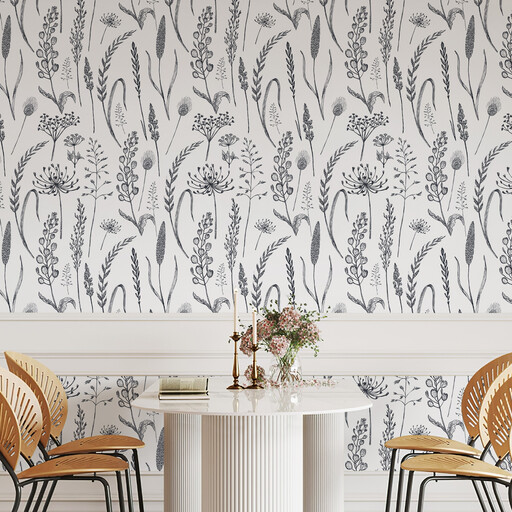
Why it stands out: The clean, botanical line art in black and white gives walls a modern and intentional aesthetic without feeling cluttered. It pairs well with popular interior styles, such as white cabinets, wood floors, or black metal frames.
Advantages:
Who it's for: Ideal for those looking to create a full accent wall in a living room, home office, or hallway and who prefer a graphic yet serene design.
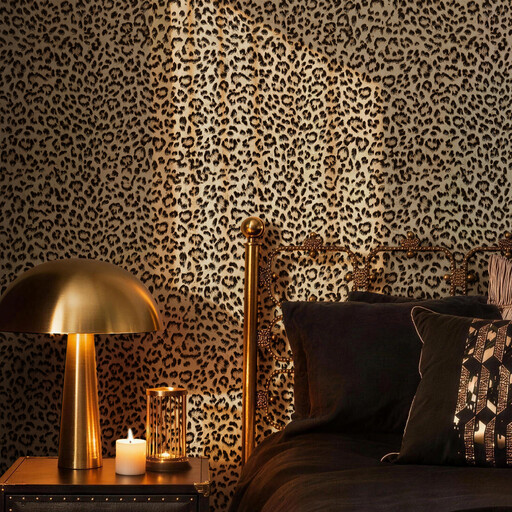
Why it stands out: The classic leopard print instantly adds personality and a fashion-forward touch to any room. Used as an accent, it creates an energetic focal point.
Advantages:
Who it's for: For DIY enthusiasts who want to make a statement with a bold pattern. It's an excellent choice as wallpaper for cabinets or for decorating smaller wall sections.
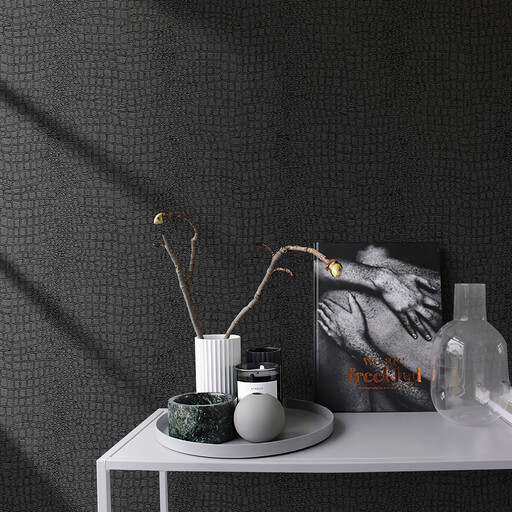
Why it stands out: The crocodile-embossed design creates a subtle, luxurious texture with a leather-like feel. Up close, it looks high-end, while from a distance, it appears as a solid, textured wall.
Advantages:
Who it's for: Users looking for a textured surface as a furniture wrap or wanting to create an elegant wall section, for example, behind a sideboard.
If the patterns featured here aren't quite your style, or if you're looking for more inspiration for your project, you can find a wider selection of designs and formats in our category.
Explore Our Full Collection of Peelable Wall Art
Yes, it can be used in dry areas of a bathroom. Since most products are made from moisture-resistant vinyl wallpaper, they can withstand high humidity. However, direct and constant contact with water, such as inside a shower enclosure, should be avoided.
On most suitable, well-prepared surfaces, the wallpaper can be removed without leaving any residue. A helpful tip is to gently heat the wallpaper with a hairdryer before peeling it off. This softens the adhesive, allowing the film to be pulled off slowly and at a low angle without damaging the surface underneath.
Absolutely. Peel and stick wallpaper makes an excellent furniture wrap. As long as the furniture surface is smooth, clean, and sealed (e.g., lacquered wood, melamine), you can easily and affordably give a new look to dressers, cabinet doors, shelves, or tabletops.