
Lieferung heute & morgen

Qualitätsgarantie

Willkommens-Angebote freischalten: KOSTENLOSE Lieferung | Bis zu 80 % RABATT | Kostenlose 30-Tage-JoyPlus-Testphase
App herunterladen
The main reason many people turn to self-adhesive wallpaper is for a quick and hassle-free update to walls or furniture. The idea of giving a room a new look without paste, pasting tables, and extensive prep work is appealing. However, the market is flooded with products of widely varying quality. Certain pitfalls can lead to a DIY project ending in frustration, with results that don't meet expectations. This guide will show you what to look for to make an informed decision.
Before you decide on a design, it's crucial to understand the typical problems that can arise with low-quality products. These often lead to unnecessary costs and extra work.
To avoid these problems, you should base your selection on objective criteria. Three technical features are particularly important.
The material composition is crucial for durability and handling. High-quality self-adhesive wallpapers are typically made of PVC vinyl. This material offers several advantages:
Even the best adhesive film will only stick to a suitable surface. The manufacturer's instructions are key here. As a general rule, the surface must be smooth, clean, dry, and dust-free. Textured wallpaper, heavily textured plaster, or untreated, porous walls are unsuitable. For such cases, self-adhesive wall panels might be a better alternative. Before purchasing, check if the wallpaper is approved for the intended location (e.g., dry areas in a bathroom, furniture fronts).
Pay close attention to the dimensions per roll (length and width) to calculate your needs correctly. Always plan for about 10% overage for cuts and waste. Longer rolls are advantageous as they reduce the number of seams on a wall, leading to a more uniform overall look. For patterned wallpapers, such as a 3D wallpaper or floral designs, the pattern repeat must be taken into account to ensure a seamless transition between strips.
Based on these criteria, we have identified some products that are well-suited for specific projects and user profiles.

Why This Fits Their Persona: Ideal for renters who want an elegant but non-permanent change. The subtle Rococo pattern in beige creates a calm, elevated atmosphere without overpowering the room, and it pairs well with existing furniture.
The high-quality PVC vinyl is robust, and the longer roll (508 cm) reduces the number of seams, which minimizes the risk of peeling edges and promotes a uniform appearance.
The wipeable surface makes everyday maintenance easy. The vertical texture adds subtle depth and elegance to the wall.
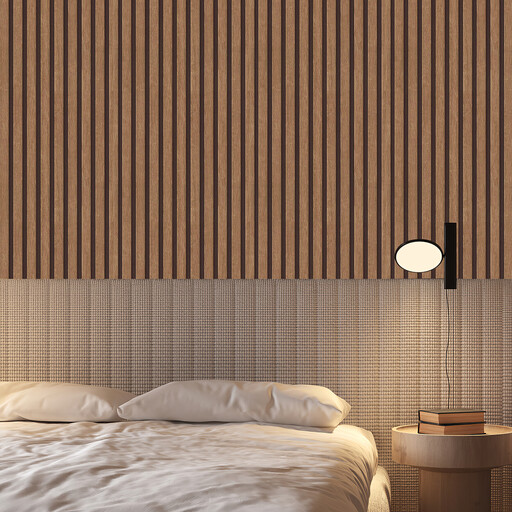
Why This Fits Their Persona: Perfect for upgrading furniture pieces like cabinet doors, dressers, or shelves. The **self-adhesive furniture wrap** in a slatted wood look gives old furniture a modern, textured appearance without complex carpentry.
The crisp, vertical print avoids the "cheap" look of pixelated wood imitations. The PVC material is designed for application on smooth, sealed furniture surfaces, where it provides reliable adhesion.
The film is described as durable and wipeable, making it practical for daily-use furniture surfaces. The slatted wood look creates a warm, modern aesthetic.
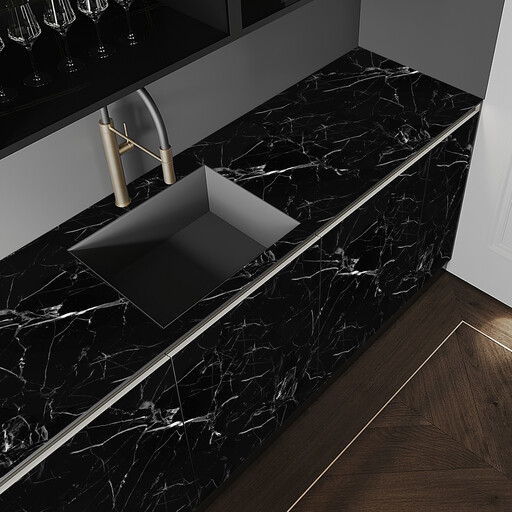
Why This Fits Their Persona: For anyone looking to create a dramatic accent wall with a strong visual impact. The high-contrast black and white marble pattern makes a bold statement and is perfect as a focal point in a living room or bedroom.
The generous roll length of 508 cm allows for an application with fewer seams, which is crucial for making the continuous marble pattern look realistic and avoiding interruptions.
The design mimics the aesthetic of natural stone, significantly elevating a room's visual appeal. The PVC surface is described as durable and wipeable, which simplifies maintenance.
We've curated a comprehensive, up-to-date list of products that meet these strict selection criteria.
Can peel and stick wallpaper be applied over textured wallpaper? Generally, this is not recommended. The uneven structure of textured wallpapers (like woodchip) prevents the adhesive film from achieving full contact with the surface. This leads to the formation of air bubbles, and the texture of the underlying wallpaper will show through unattractively. For an optimal result, a smooth, primed surface is required.
How do you remove peel and stick wallpaper without residue? To remove the wallpaper, gently heat the surface with a hairdryer. The heat will soften the adhesive. Start at a corner and slowly pull the film away from the wall at a low angle. Any remaining adhesive residue can often be removed with a mild cleaning agent or a specialized adhesive remover.
How much overage should I plan for with peel and stick wallpaper? As a rule of thumb, you should plan for about 10% more material than the actual surface area requires. For rooms with many corners, windows, or doors, as well as for wallpapers with a large pattern repeat, it may be wise to plan for up to 15% overage to ensure you have enough material for precise cuts.