
Lieferung heute & morgen

Qualitätsgarantie
App herunterladen
Kategorien
Peel-and-stick wallpaper, also known as self-adhesive decorative film or no-paste wallpaper, is a practical solution for quick and reversible interior design. At its core, it is a vinyl wallpaper or a PVC film with a pre-applied adhesive layer on the back, protected by a peel-off backing paper. This design allows for application without any additional glue or water, significantly simplifying the renovation process. Primary applications include creating accent walls, visually upgrading furniture, and modernising surfaces in rental properties where permanent changes are often undesirable.
Selecting the right product depends on several technical parameters that directly influence its durability, appearance, and ease of application.
Most peel-and-stick wallpapers are made of PVC (polyvinyl chloride). This material is advantageous due to its durability and water resistance, making the film a washable wallpaper. The surface can be either smooth or textured. Smooth surfaces are generally easier to clean and reflect more light, while textured surfaces can better conceal imperfections in the underlying wall. The material's thickness, often specified in micrometres (µm), is an indicator of its tear resistance and opacity.
The quality of the adhesive determines the bonding strength and the potential for residue-free removal. Water-based acrylic adhesives are a common choice. For optimal adhesion, a smooth, clean, dry, and non-porous surface is required. Surfaces like painted drywall, lacquered wood, or laminate furniture panels are ideal. Adhesion is severely limited on rough substrates like woodchip wallpaper or unplastered masonry.
The dimensions of a roll are crucial for planning and execution. Standard widths often vary between 45 cm and 90 cm. Longer rolls minimise the number of required seams, which leads to a more uniform overall appearance, especially with large-scale patterns like a marble-effect wallpaper. The area coverage per roll is specified in square metres (m²) and should be calculated with an allowance of about 10% for waste.
The visual quality depends on the resolution of the printing process. High-resolution prints ensure sharp details and realistic imitations of materials like wood, stone, or fabric. For patterned wallpapers, it is also important to pay attention to the pattern repeat to ensure a seamless transition between individual strips.
The following products have been analysed based on their technical specifications and application flexibility.
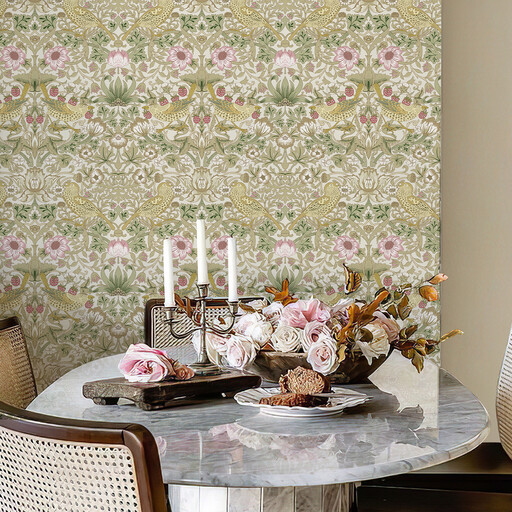
Why We Recommend It This product stands out with its subtle design on a smooth PVC vinyl surface. The roll length of 508 cm is above average, making it possible to cover taller walls with fewer visible seams. The PVC material base provides a wipeable and therefore low-maintenance surface.
Pros:
Who It's For: This product is suitable for users who want to create a bright and understated accent wall. It is a great option for temporary decoration in rental apartments or for quickly refreshing the look of cabinet doors and drawers.
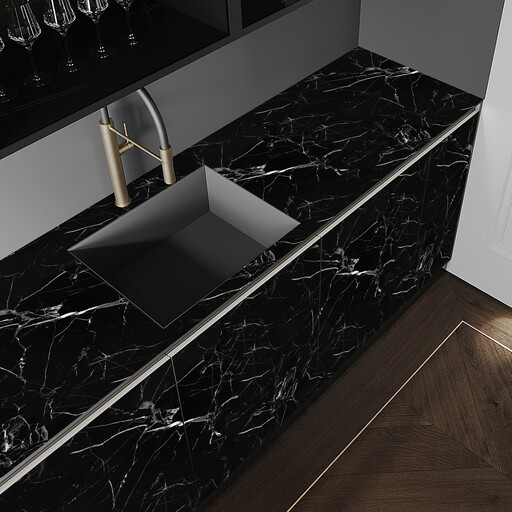
Why We Recommend It This marble-effect wallpaper provides a strong visual accent with its high-contrast black and white design. With a width of 60 cm and a length of 508 cm, one roll covers an area of approx. 3 m², making it efficient for larger projects like covering cabinet fronts or designing an entire wall. The PVC material is robust, and the surface is wipeable.
Pros:
Who It's For: This product is aimed at users who want to set a bold, architectural accent. It is suitable for upgrading furniture, for the back panels of shelves, or as a statement wall in living or work areas.
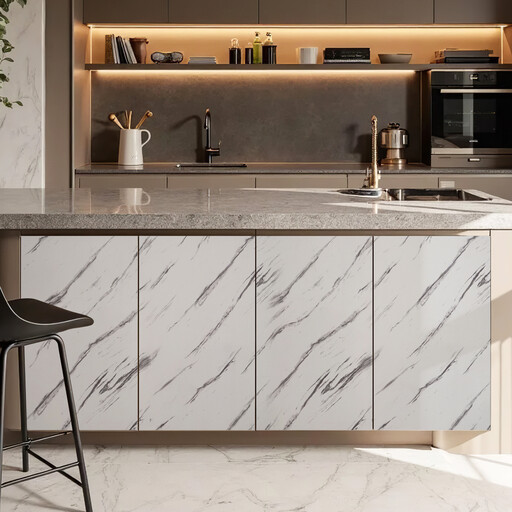
Why We Recommend It This bright adhesive film for furniture and walls uses a white marble effect to make rooms appear brighter and more spacious. The smooth PVC surface reflects light and is simultaneously durable and easy to clean. The generous roll dimensions (60 cm x 508 cm) are practical for covering standard furniture surfaces or wall sections with minimal waste.
Pros:
Who It's For: Ideal for modernising bathrooms (in dry areas), laundry rooms, or darker hallways. The film is excellent for giving older dressers, desks, or kitchen fronts (outside of direct heat zones) a clean and modern finish.
While peel-and-stick wallpapers are a versatile solution for decorative surface design, other projects may require specific adhesives. For structural bonding, repairs, or fastening materials to various substrates, it may be useful to explore the White Glue category to find the right product for your specific application.
1. Can you apply peel-and-stick wallpaper to textured wallpaper? Application on woodchip or other textured surfaces is not recommended. The uneven texture prevents the adhesive from making full contact, leading to air bubbles, poor adhesion, and the underlying texture showing through. For optimal results, a smooth, clean, and dry surface is required.
2. How do you remove peel-and-stick wallpaper without leaving residue? To remove it, the film should be pulled off the surface slowly and at a low angle (approx. 45 degrees). If the adhesion is stubborn, warming the film with a hairdryer can help soften the adhesive. Any remaining adhesive residue can usually be removed with a mild cleaning agent or a special adhesive remover.
3. Is peel-and-stick wallpaper suitable for bathrooms? Yes, PVC-based peel-and-stick wallpaper is suitable for use in bathrooms due to its water-resistant surface, but only in areas without direct and constant water contact (dry zones). It should not be installed inside shower stalls or directly above bathtubs without a splash guard. Good room ventilation will help maintain the adhesive's longevity.