
Lieferung heute & morgen

Qualitätsgarantie

Willkommens-Angebote freischalten: KOSTENLOSE Lieferung | Bis zu 80 % RABATT | Kostenlose 30-Tage-JoyPlus-Testphase
App herunterladen
Transforming your living space can significantly enhance your quality of life. However, not everyone has the time or budget for an extensive renovation. If you're looking for a practical and stylish way to quickly give your rooms a fresh new look, peel-and-stick wallpaper could be the perfect solution.
This article serves as your guide. It explains what to look for when making your selection and showcases various designs suitable for different interior concepts—from a subtle accent wall to a complete furniture makeover.
The decision to use adhesive film for walls depends on several factors. To achieve a satisfactory and long-lasting result, the material, design, and intended application are crucial.
Most peel-and-stick wallpapers are made of PVC (polyvinyl chloride). This material is known for its durability and ease of maintenance. A key feature is that it's a washable wallpaper, which can be cleaned with a damp cloth. This makes it especially practical for high-traffic areas prone to dirt, such as hallways or the wall behind a dining table.
For optimal adhesion, a smooth, clean, and dry surface is required. Painted drywall, sealed wood panels, or smooth furniture surfaces are ideal. Rough or dusty surfaces can reduce the adhesive strength over time.
The design is key to a room's atmosphere. Current trends in DIY wall decor include a variety of looks:
The term self-adhesive wall covering only scratches the surface of what's possible. These films are extremely versatile and can also be used as furniture film. This allows you to upgrade old cabinets, doors, dressers, or tabletops, integrating them seamlessly into your new design scheme. The self-adhesive backing allows for direct application without any extra glue.
Based on design, material properties, and application flexibility, we've curated a selection of products that cater to different styles and projects.
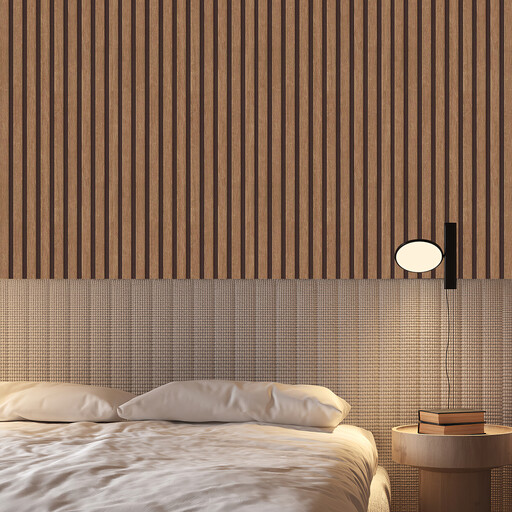
Why it stands out: This film replicates the look of a modern wood panel wall with vertical slats. The warm, red wood tone creates an inviting atmosphere, while the slatted texture provides clean, architectural lines. The generous roll length of over 5 metres helps reduce the number of seams on tall walls, resulting in a more seamless appearance.
Benefits:
Who is it for? Ideal for those looking to create an accent wall in a living room (e.g., behind the sofa), bedroom, or long hallway. It suits living spaces with neutral furniture where the wall itself is intended to be the central design feature.
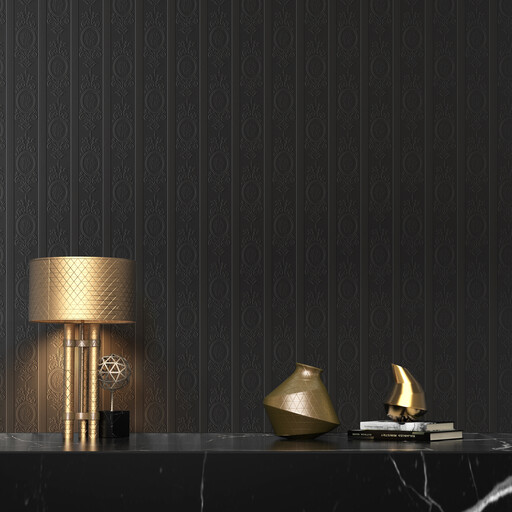
Why it stands out: The black Rococo damask pattern gives walls a luxurious depth and a dramatic presence. The design is crafted to make a strong impact even without additional wall decor. The continuous pattern is supported by the long roll, which creates fewer visible seams.
Benefits:
Who is it for? Perfect for creating statement accent walls in a living room or bedroom. It pairs well with wooden furniture, black metal frames, and warm lighting to create an elegant yet cosy impression.
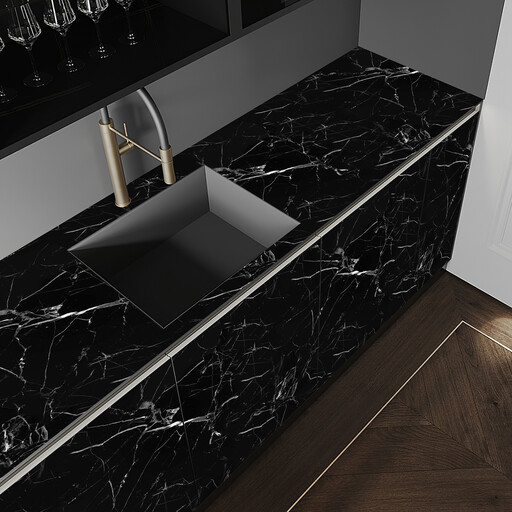
Why it stands out: This marble-look wallpaper imitates black marble with striking white veining. The high contrast creates a modern and sophisticated look reminiscent of natural stone. It's an excellent choice for adding targeted accents without overwhelming an entire room.
Benefits:
Who is it for? Perfect for DIY projects and upcycling furniture. It can be used to refinish vanity units, dresser fronts, or console tables. It is also well-suited for smaller wall sections in an entryway or a home office nook to create an elegant focal point.
The designs featured here are just a glimpse into the diverse possibilities of modern wall decor. If you're looking for more inspiration or different styles, you can find a wider selection in our category.
? Explore more Living Room Wall Art here.
1. On which surfaces does peel-and-stick wallpaper adhere best? For long-lasting adhesion, a smooth, clean, dry, and non-porous surface is required. Ideal surfaces include painted walls (after the paint has fully cured), lacquered wood, glass, metal, and smooth plastics. Rough surfaces like woodchip wallpaper, unplastered concrete, or textured plaster are not suitable, as the film cannot achieve full contact.
2. Can adhesive film for walls be removed without leaving residue? In most cases, yes, especially from smooth and sealed surfaces. To make the process easier, you can gently heat the film with a hairdryer on a low setting. The warmth softens the adhesive, allowing the wallpaper to be peeled off more easily. It is recommended to perform a test on an inconspicuous area before full application.
3. Is peel-and-stick wallpaper suitable for humid rooms like the bathroom? A washable wallpaper made of PVC is water-resistant but not completely waterproof. It can be used in bathroom areas not exposed to direct moisture, such as the wall behind the mirror or on the exterior of bathroom cabinets. Application inside a shower or directly above a bathtub is not recommended.