
Lieferung heute & morgen

Qualitätsgarantie

Willkommens-Angebote freischalten: KOSTENLOSE Lieferung | Bis zu 80 % RABATT | Kostenlose 30-Tage-JoyPlus-Testphase
App herunterladen
Want a new look for your home or an old piece of furniture without the hassle of a full renovation? Many renters and homeowners are looking for a quick and straightforward solution to personalise their spaces. Traditional wallpapering with paste, pasting tables, and long drying times can be daunting. A peel and stick wallpaper offers a practical alternative.
This article serves as a guide. It explains what to look for when making your selection and presents various designs suitable for different projects—from a full accent wall to upcycling furniture.
To find the right product for your project, there are a few basic criteria to consider.
Most self-adhesive wallpapers are made of PVC vinyl. This material is generally durable and easy to maintain. A washable wallpaper is especially practical for high-traffic areas like kitchen backsplashes (away from direct heat sources) or hallways. For transforming dressers, cabinets, or shelves, a robust furniture film designed specifically for adhesion to smooth furniture surfaces is ideal. Pay attention to the material's thickness, as thicker films are often easier to apply and can better conceal minor imperfections on the underlying surface.
The success of a project with paste-free wallpaper largely depends on the surface. The area to be covered must be smooth, clean, dry, and free of dust. Rough surfaces like woodchip wallpaper or unplastered walls are unsuitable, as the film will not adhere evenly. Before application, the wall should be thoroughly cleaned and dried. For freshly painted walls, it is advisable to wait for the full drying time recommended by the paint manufacturer.
The design significantly determines the atmosphere of a room. A wood-effect wallpaper, for example, can create a warm and natural mood, while industrial concrete or stone looks establish a modern, urban aesthetic. If you want to create an accent wall, you can use bold colours or striking patterns to create a targeted focal point. For a more subtle modern wall covering, textured, solid-coloured designs are suitable, adding depth to the room without dominating it.
Here is a selection of products with different designs for various applications.
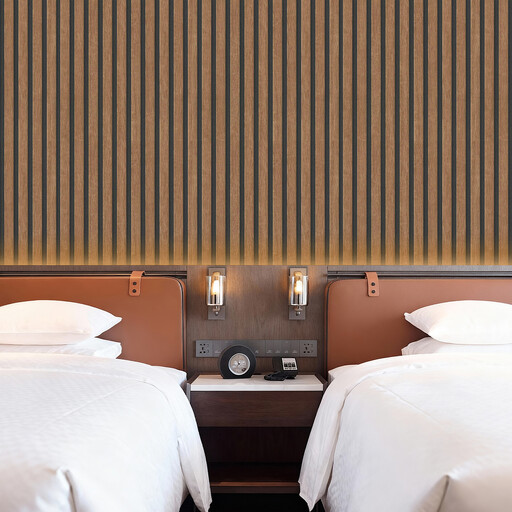
Why it stands out: The design with black, vertical slats creates a clean, architectural structure and visual depth. The extra-long roll is designed to reduce the number of seams on a wall, which is especially important for a continuous look with this pattern.
Benefits:
Who it's for? For users who want to create a striking accent wall behind a sofa or bed. The vertical lines are also great for adding structure to long, narrow hallways.
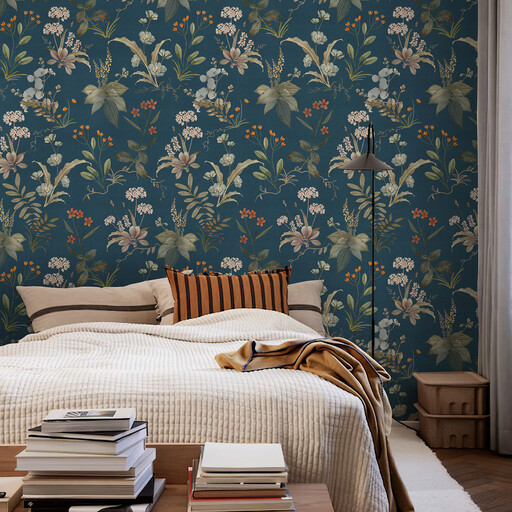
Why it stands out: The combination of a deep blue background and a subtle floral pattern gives walls or furniture an elegant and profound touch. The design works particularly well with warm lighting.
Benefits:
Who it's for? For those looking to add targeted accents in living rooms or bedrooms, for example, on a single wall niche, as a decorative strip, or for upgrading furniture.
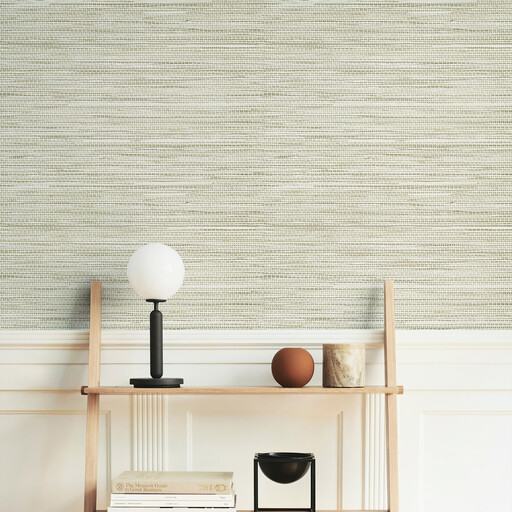
Why it stands out: The textured surface mimics the look of natural grasscloth, bringing warmth and a subtle visual layer to the room without relying on dominant patterns.
Benefits:
Who it's for? For users who prefer an understated yet interesting wall design for living areas, hallways, or a home office. The texture is well-suited for adding character to large, flat surfaces like cabinet doors.
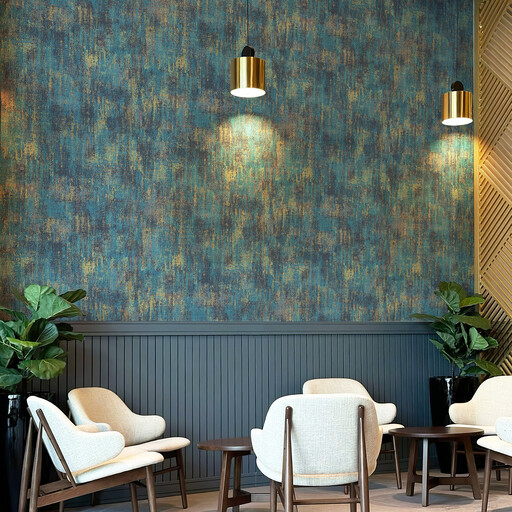
Why it stands out: The sandstone blue texture is reminiscent of weathered concrete, lending surfaces a cool, modern, and artistic character. The design is distinctive but still easy to combine thanks to its colour tone.
Benefits:
Who it's for? For anyone wanting to integrate a touch of urban or industrial design into their decor without changing an entire wall. It pairs well with grey furniture, wood tones, and black metal elements.
If the designs presented here don't quite match your taste or if you're looking for inspiration for other areas, our broader selection of decorative items might be of interest. Discover more options for your next project.
? Explore More Options for Rustic Outdoor Wall Art Here
1. Can peel and stick wallpaper be applied over woodchip wallpaper? Generally, this is not recommended. For optimal adhesion and a smooth finish, self-adhesive wallpapers require a smooth, clean, and dry surface. The uneven texture of woodchip wallpaper can compromise adhesion and lead to an uneven appearance.
2. How can peel and stick wallpaper be removed? Most modern adhesive films are designed to be removable. To make the process easier, you can gently heat the wallpaper with a hairdryer. The heat softens the adhesive, allowing the film to be peeled off more easily. Start at a corner and slowly pull the film away from the wall at a shallow angle.
3. Is peel and stick wallpaper suitable for bathrooms? This depends on the product and the specific application area. Many PVC adhesive films for walls are water-resistant and washable, making them suitable for areas with low moisture. However, they should not be used in zones with direct water contact, such as inside a shower cabin. Check the manufacturer's product description to see if it is rated for humid environments. Good ventilation in the room is crucial in any case.