
Lieferung heute & morgen

Qualitätsgarantie

Willkommens-Angebote freischalten: KOSTENLOSE Lieferung | Bis zu 80 % RABATT | Kostenlose 30-Tage-JoyPlus-Testphase
App herunterladen
Looking to refresh your walls without the hassle, expense, and commitment of paint or traditional wallpaper? You're not alone. Many renters and homeowners are searching for a flexible, straightforward way to give their spaces a new personality. Peel-and-stick wallpaper offers a practical solution, enabling a quick DIY wall makeover without the need to mix any paste.
This guide is here to help. It explains what to look for when making your selection and presents various options to help you find the perfect product for your project—whether it's a striking accent wall, an upgrade for a piece of furniture, or a complete room transformation.
Choosing the right peel-and-stick wallpaper depends on several factors. A thoughtful decision ensures the final result is both visually stunning and durable.
Most peel-and-stick wallpapers are made of PVC vinyl. This material is known for its robustness and durability. A key advantage is that it creates a washable wallpaper that can be easily cleaned with a damp cloth. This is especially beneficial in high-traffic areas like hallways or in homes with children. To ensure optimal adhesion, make sure the intended wall is smooth, clean, dry, and dust-free. Application on rough or uneven surfaces, such as textured wallpaper, is generally not recommended.
The design significantly defines the room's atmosphere. A wood-effect wallpaper or the currently popular slatted wood panel wallpaper can add texture and a modern, architectural touch to a space. In contrast, floral patterns like a floral wallpaper are perfect for creating softer, decorative accents.
Consider whether you want to wallpaper an entire room or specifically create an accent wall. The latter is an effective way to highlight an area, such as behind a sofa or bed, without overwhelming the entire space. Many of these films also work wonderfully as furniture wrap to give old cabinets, doors, or dressers a fresh new look.
The biggest advantage is the paste-free application. The process is straightforward and requires no special tools. Most products feature a grid on the backing paper, which makes cutting straight lines easier. For a clean finish, it's crucial to apply the film slowly, smoothing it out with a squeegee or a soft cloth to prevent bubbles. Meticulous surface preparation is the key to a professional-looking result.
Based on material properties, design variety, and applications, we have curated a selection of products that cater to different styles and projects.
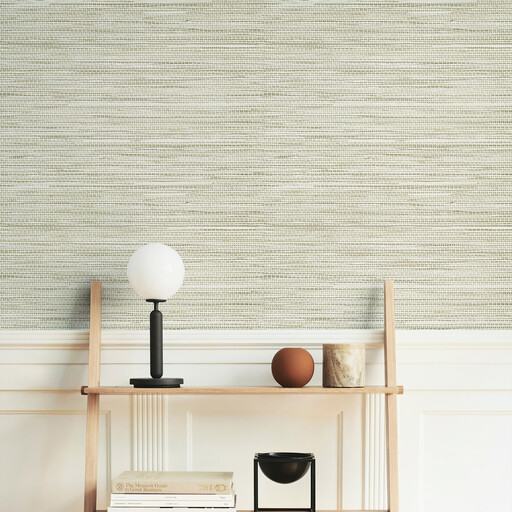
Why it stands out: This wallpaper mimics the texture of natural grasscloth, adding warmth and subtle visual depth to walls without relying on dominant patterns. The texture is also more forgiving during application, as minor misalignments in the pattern are less noticeable.
Pros:
Who is it for? For those looking to add a subtle yet warm accent to living areas, hallways, or a home office. Its forgiving texture makes it a great choice for DIY beginners.
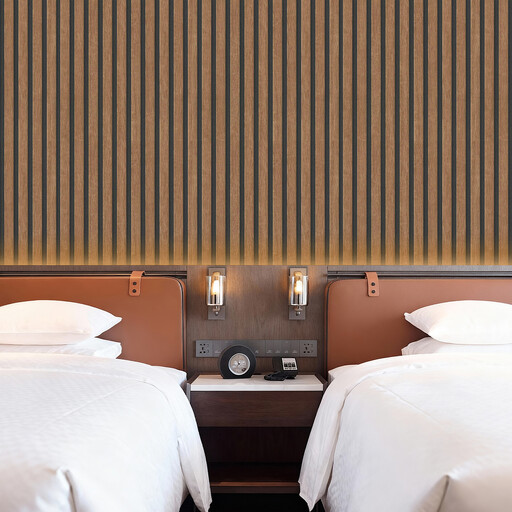
Why it stands out: The slatted wood panel wallpaper in deep black creates a strong contrast and a clean vertical structure. It gives rooms a modern, architectural depth, making furniture and lighting stand out more. The longer roll length of approx. 5 metres reduces the number of seams, which is important for a continuous look.
Pros:
Who is it for? For those aiming for a contemporary and textured look. Ideal for creating an accent wall behind a bed or sofa, or for adding character to a long hallway.
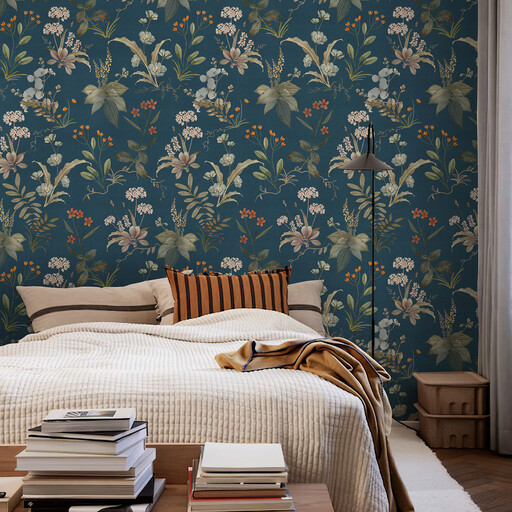
Why it stands out: This floral wallpaper combines a deep blue background with a delicate, cascading flower motif. The design creates an elegant depth and a sense of exclusivity, making plain walls look more high-end under warm lighting.
Pros:
Who is it for? For anyone wanting to add a touch of elegance and depth to a room. It works well in smaller applications and as a furniture wrap for a stylish upcycling project.
The possibilities for wall design are endless. If the options presented here don't quite match your vision, there are countless other designs, colours, and patterns to discover. From geometric shapes and stone effects to minimalist textures, the selection is vast.
Explore our entire selection of Wall Decals and find the perfect solution for your home.
Generally, this is not recommended. The uneven structure of textured wallpapers prevents the adhesive film from achieving full, lasting contact. Additionally, the texture of the underlying wallpaper would show through the film, compromising the visual result. For an optimal finish, a smooth, clean, and dry surface is required.
Most high-quality PVC films are designed to be removable, which makes them particularly attractive for rental properties. To loosen the adhesive, you can gently warm the surface with a hairdryer. Then, slowly pull the film away from the wall at a shallow angle. It is advisable to test this in an inconspicuous area first.
Yes, absolutely. Peel-and-stick wallpaper is an excellent furniture wrap for upcycling projects. As long as the furniture's surface is smooth, clean, and non-porous (e.g., painted wood, laminate, or metal), the film can be easily applied to cabinet doors, tabletops, shelves, or dresser fronts to breathe new life into them.